Table of contents
- What Is An AI Tutor: Core Definition and Technology
- How AI Tutors Work: The Technology Behind Intelligent Learning
- Key Features That Make AI Tutors Effective
- Applications: Where AI Tutors Are Making Impact
- What Is An AI Tutor Job: The Human Side of AI Education
- Advantages and Limitations of AI Tutoring
- The Future of AI Tutoring Technology
- Conclusion
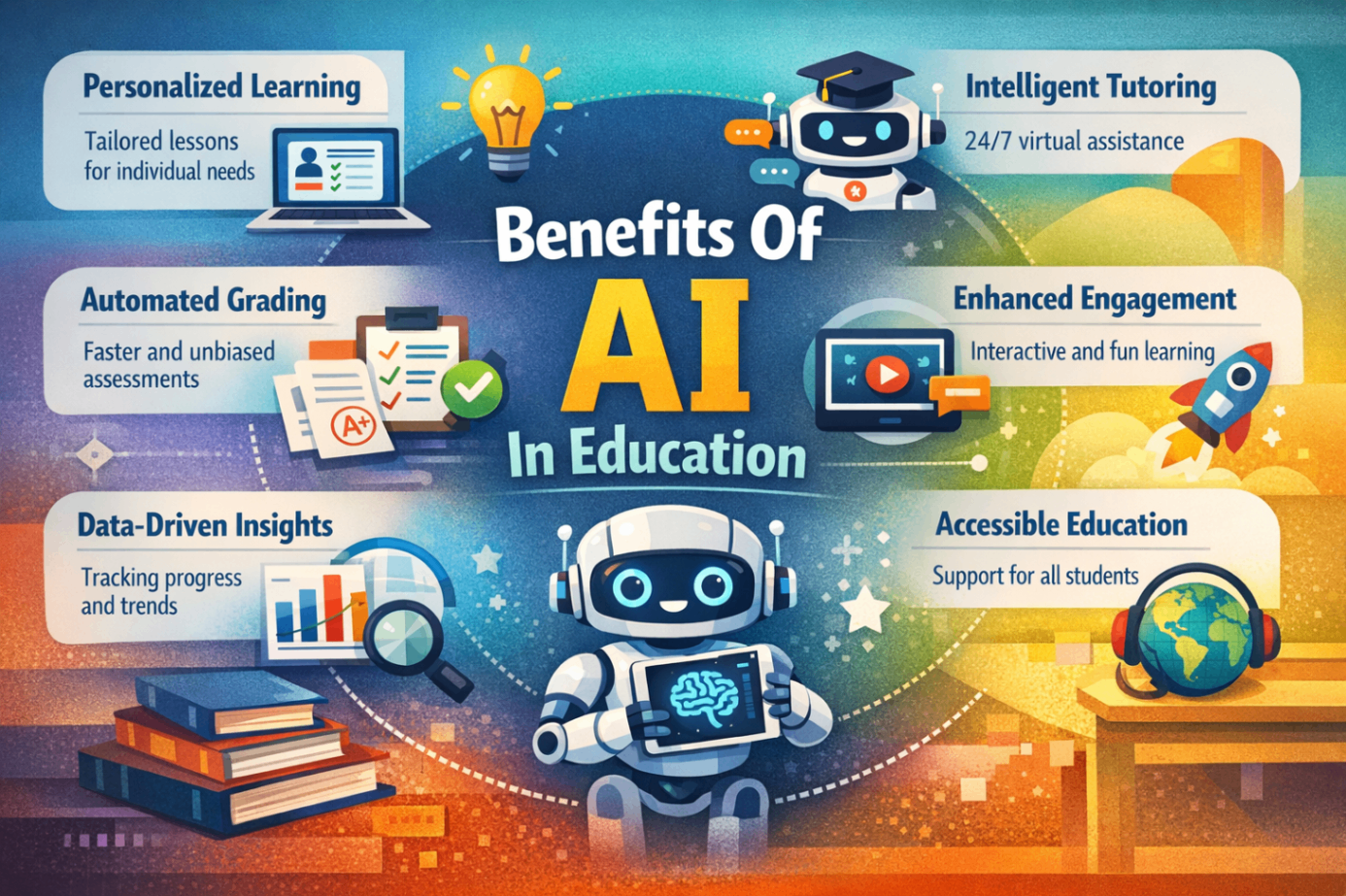
The educational landscape is experiencing a revolutionary transformation as artificial intelligence reshapes how students learn and teachers instruct. Among the most significant developments are AI tutors—sophisticated software systems that provide personalized, on-demand academic support previously unavailable to most learners. As traditional education struggles with large class sizes, limited resources, and the challenge of meeting diverse student needs, AI tutoring technology offers scalable solutions that adapt to individual learning styles, provide instant feedback, and remain accessible 24/7 without the constraints of human availability or geographic limitations. Understanding what is an AI tutor becomes increasingly important as these systems move from experimental technology to mainstream educational tools adopted by schools, universities, and independent learners worldwide. An AI tutor represents more than simple educational software—it's an intelligent learning assistant powered by machine learning, natural language processing, and adaptive algorithms that analyze student performance in real-time, adjust difficulty levels dynamically, and provide explanations tailored to individual comprehension levels. Exploring the Benefits Of AI In Education reveals how these technologies are democratizing access to quality instruction while supporting teachers in managing workload. This comprehensive guide examines what is tutor AI, how these systems function, their applications across subjects, advantages and limitations, and what the future holds for AI-powered learning assistance.
What Is An AI Tutor: Core Definition and Technology
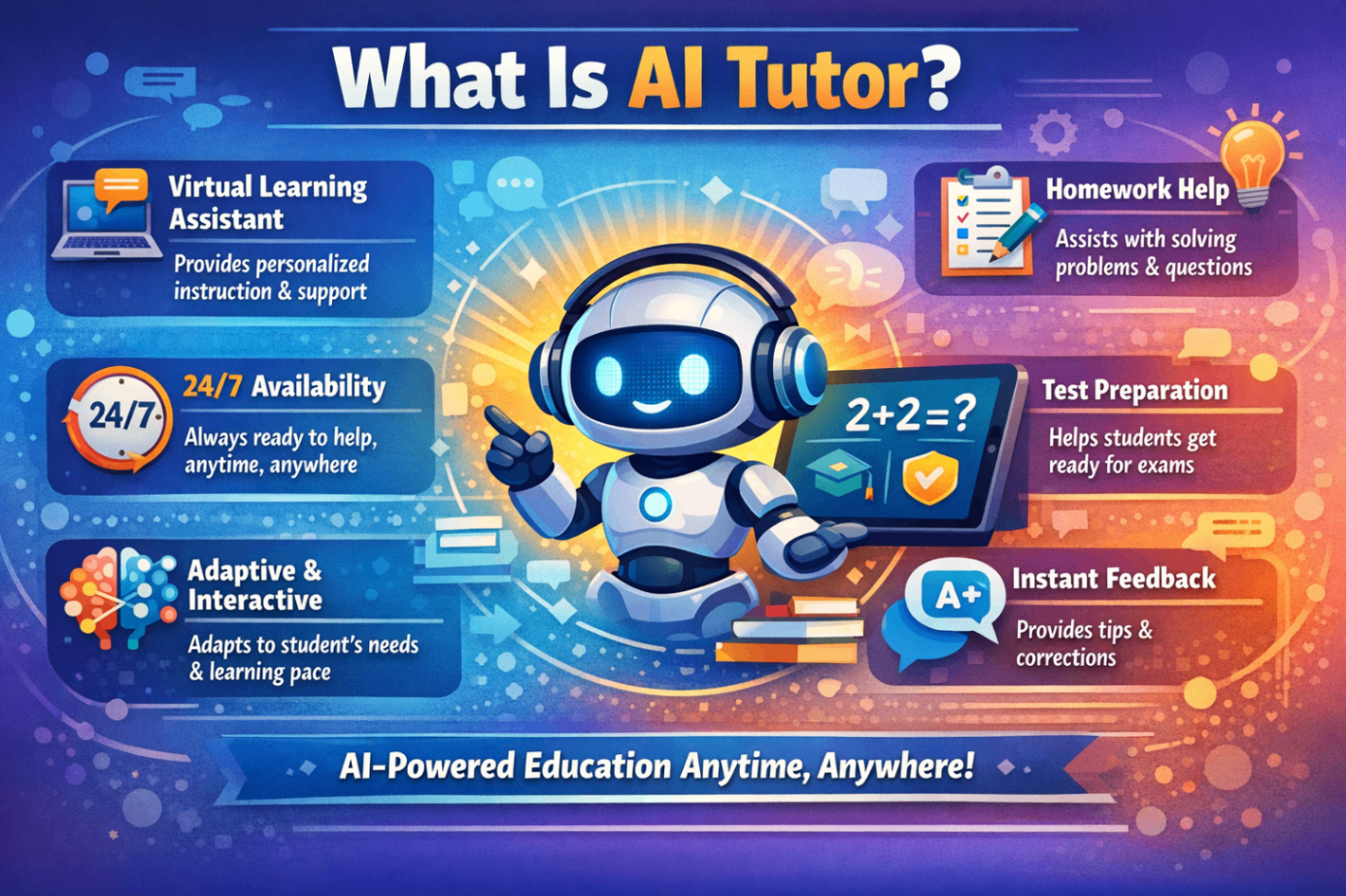
An AI tutor is a software-based learning assistant built on artificial intelligence technology, designed to provide academic guidance, subject-specific instruction, and real-time feedback without the limitations of time zones, scheduling, or fatigue. These systems represent a groundbreaking approach in education, combining the latest advancements in artificial intelligence with traditional teaching methodologies to create personalized learning experiences.
The Fundamental Components
AI tutors combine machine learning, natural language processing, and adaptive learning frameworks to create highly personalized learning experiences. Unlike traditional tutoring models that rely on fixed curricula and human availability, AI tutors use dynamic learning paths that adjust based on the student's performance, pace, and preferences. The technology enables what was previously impossible—truly personalized instruction at scale, available to any student with internet access regardless of location or economic circumstances. These intelligent systems work by analyzing data like your learning speed, mistakes, and knowledge gaps, then use this information to tailor lessons to your strengths and weaknesses. If you're struggling with algebra, the system focuses more attention there, while if you're excelling at vocabulary, it moves you forward to more challenging material. This continuous adaptation ensures every minute spent learning targets your specific needs rather than following one-size-fits-all approaches.
How AI Tutors Differ From Traditional Software
AI tutors are not just another app or chatbot—they represent technology-powered learning assistants that adapt to the user's pace, skill level, and subject needs. While basic educational software might present the same content to all users in predetermined sequences, AI tutors actively respond to how you perform, what confuses you, and what motivates you, creating truly individualized educational journeys. The distinction matters because static educational software cannot recognize when students develop misconceptions, while AI tutors identify error patterns and address underlying misunderstandings. Traditional programs move forward regardless of mastery level, whereas AI tutors require demonstrated competency before advancing. This responsive intelligence transforms software from a delivery mechanism into a teaching partner.
How AI Tutors Work: The Technology Behind Intelligent Learning
Understanding the mechanisms powering AI tutors reveals why they prove effective for diverse learning needs and how they deliver personalized instruction at scale.
Data Collection and Student Modeling
When you interact with an AI tutor, it collects data including your learning speed, mistakes, and knowledge gaps. Imagine a smart teacher that remembers everything about you—but without judgment. This continuous assessment builds a comprehensive student model representing what the system understands about your current knowledge, skills, and learning preferences. The student model is the system's best estimate of what the learner knows right now, updating with each answer, hint, and time-on-task signal. Modern AI tutors use machine learning to infer mastery probabilities and predict which practice item will produce the biggest learning gain next. This is where intelligent learning happens, because the system adapts to the individual rather than following fixed worksheets.
Adaptive Content Delivery
Using collected data, the AI adjusts lessons to your strengths and weaknesses. AI tutors don't use a one-size-fits-all approach but adapt to your progress—if you're stuck, they slow down and give you more examples or simpler explanations. If you're cruising through material, they accelerate and introduce more challenging concepts to maintain engagement and optimize learning efficiency. The pedagogical module chooses the next action based on student model data. If the student hesitates, it can offer a prompt; if the student repeats the same error, it can surface a misconception explanation; if the student masters a skill, it can introduce cumulative review. This represents the heart of AI tutoring systems because it operationalizes tutoring's core purpose—to diagnose, guide, and reinforce until mastery is achieved.
Real-Time Feedback and Correction
Whether you're solving math problems or practicing a new language, AI tutors tell you immediately if you're wrong and how to improve. This instant feedback helps students learn from mistakes quickly, building confidence and reinforcing correct approaches before confusion solidifies into persistent misunderstandings. For example, if you're learning Spanish and keep getting verb tenses mixed up, the AI creates extra exercises targeting that specific challenge. AI tutors like those available through platforms such as Free AI Tutor work by combining advanced algorithms, personalization, and real-time support to create unique learning experiences for each user.
Key Features That Make AI Tutors Effective
Modern AI tutoring systems incorporate sophisticated capabilities that enable them to approximate and sometimes exceed certain aspects of human tutoring effectiveness.
Personalized Learning Journeys
AI tutors are masters of personalization, delving deep into individualized learning styles, paces, and preferences of each student. By doing so, they craft customized educational paths that adapt in real-time. No more 'one-size-fits-all' learning—AI tutors ensure every student receives content that resonates with them, addressing their unique needs and challenges. This personalization extends beyond simply adjusting difficulty levels. AI tutors recognize when students prefer visual explanations versus verbal descriptions, when they benefit from worked examples versus discovery learning, and when they need encouragement versus additional challenge. This multi-dimensional adaptation creates learning experiences precisely calibrated to individual profiles.
24/7 Availability and Accessibility
One of AI tutoring's most transformative aspects is constant availability. You no longer have to wait for a tutor to respond or find a time that works for you—an AI tutor responds instantly, always on whether it's a late-night math problem or a language lesson before school. The convenience alone changes how learners engage with study time, enabling learning whenever motivation strikes rather than forcing it into predetermined schedules. This accessibility proves particularly valuable for students in different time zones, those with irregular schedules, or learners who study during non-traditional hours. The technology removes temporal and geographic barriers that previously limited access to quality academic support.
Scalability Across Multiple Learners
Unlike human tutors who can work with only one student at a time, AI tutors scale infinitely. Thousands of students can receive simultaneous personalized instruction from the same system, each experiencing individualized support without quality degradation. This scalability makes high-quality tutoring economically feasible for schools and families that could never afford extensive one-on-one human instruction. Education isn't a one-size-fits-all concept, and AI tutors understand that perfectly. These systems are highly scalable, capable of accommodating different class sizes and learning levels. Moreover, they can be seamlessly customized to align with various curricular needs, making them adaptable tools in the ever-evolving world of education.
Adaptive Assessment and Progress Tracking
AI tutors employ sophisticated algorithms to create assessments that adapt based on student performance. This dynamic approach ensures evaluations are accurate and comprehensive, reflecting students' true abilities rather than simply testing memorization. Continuous assessment informs instruction while providing teachers and parents detailed insights into progress, strengths, and areas requiring additional support. One of AI tutors' most intriguing aspects is their predictive prowess. By analyzing students' past performance and learning behaviors, these systems can anticipate potential challenges and pinpoint areas requiring additional focus. This proactive approach enables intervention before struggles become persistent problems that undermine confidence and motivation.
Applications: Where AI Tutors Are Making Impact
AI tutoring technology is being applied across diverse educational contexts, each addressing specific needs and solving particular problems that traditional approaches struggle to resolve.
K-12 Education Support
Many parents are turning to AI tutoring platforms to support subjects like math and science outside the classroom. When children struggle with fractions or physics, these platforms break down concepts step by step. Students can try again, review explanations, and move forward at their own pace without the pressure or embarrassment sometimes associated with asking for help repeatedly. In Santa Fe schools, for instance, one adaptive math tutor responds to how students answer math problems, while Amira Learning helps students in grades K-6 with reading instruction. Amira records students as they read and provides immediate feedback—if a student mispronounces a word or doesn't understand context, an AI character helps them work through it. It provides teachers with students' reading levels and tailored lessons, so teachers can focus on what students are struggling with.
Higher Education and Test Preparation
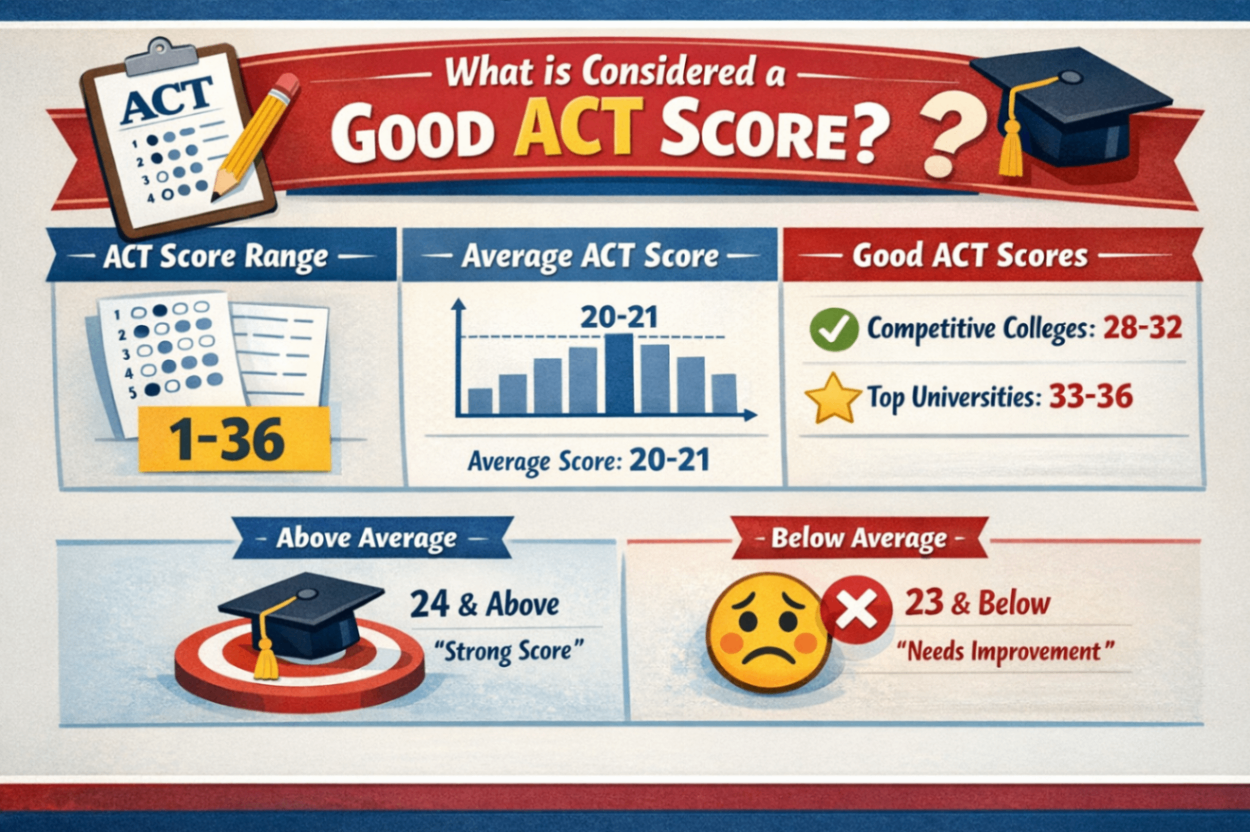
College students use AI tutors for complex subjects, exam preparation, and supplementary instruction when office hours don't align with their schedules. The technology supports everything from introductory courses to advanced specializations, providing explanations, practice problems, and concept reviews that complement lectures and textbooks. Test preparation represents another significant application. AI tutors help students prepare for standardized tests like SAT, ACT, GRE, and professional certification exams by identifying knowledge gaps, providing targeted practice, and building test-taking skills through adaptive question banks that focus on individual weaknesses.
Language Learning
Working professionals wanting to learn new languages are finding value in AI-powered language tutoring platforms that fit into daily life. These systems provide conversational practice, pronunciation feedback, vocabulary building, and grammar instruction through interactive exercises that adapt to proficiency levels and learning styles. AI tutors engage in back-and-forth discussions like real teachers, making language learning interactive and immersive through scenario-based learning and role-playing exercises. Instead of just memorizing vocabulary lists, students practice handling real conversations, customer interactions, or professional communications through AI-powered simulations.
Corporate Training and Professional Development
Beyond academic settings, AI tutors are transforming corporate training. Companies use intelligent tutoring systems to onboard employees, develop technical skills, and provide ongoing professional development. The technology enables self-paced learning that doesn't disrupt workflow while ensuring consistent training quality across global organizations. AI can automate routine training tasks, allowing employees to focus on more complex and creative aspects of their roles. Integrating AI tutoring into corporate training programs, companies boost employee performance, reduce training costs, and ensure their workforce possesses necessary skills to meet organizational goals.
What Is An AI Tutor Job: The Human Side of AI Education
While AI tutors represent automated systems, humans play crucial roles in their development, training, and quality assurance. Understanding what an AI tutor job reveals the intersection between human expertise and artificial intelligence.
AI Trainer and Content Developer Roles
Behind every effective AI tutor are AI trainers—professionals who teach AI systems how to teach. These roles require subject matter expertise combined with understanding of how people learn. AI trainers create training data, evaluate system responses, refine algorithms, and ensure AI tutors provide accurate, pedagogically sound instruction. It's not magical code or futuristic robots—it's human knowledge that makes AI tutors effective. AI trainers contribute their knowledge, expertise, and language skills to transform generative AI models into valuable, ethical, and trustworthy educational resources. These roles require a mix of soft skills and professional experience in specific domains but rarely demand technical expertise or coding knowledge.
Curriculum Designers and Pedagogical Specialists
Curriculum designers work with AI systems to structure learning pathways, sequence content appropriately, and align instruction with educational standards. They ensure AI tutors don't just deliver information but scaffold learning effectively, building from foundational concepts to advanced applications in ways that support genuine understanding.
Quality Assurance and Ethics Oversight
As AI tutors handle increasingly sensitive educational functions, professionals monitoring quality, bias, and ethical considerations become essential. These specialists ensure AI systems treat all students equitably, provide accurate information, respect privacy, and operate within appropriate pedagogical frameworks.
Advantages and Limitations of AI Tutoring
Understanding both benefits and constraints helps students, educators, and parents make informed decisions about incorporating AI tutors into learning strategies.
The Compelling Advantages
AI tutors provide affordable plans or free access, thereby providing assistance to students who might not otherwise receive it. This democratizing effect represents one of the biggest reasons adoption is growing so fast—quality tutoring becomes available to learners regardless of economic circumstances, geographic location, or scheduling constraints. Feedback is not delayed. When a student answers incorrectly, the AI tutor provides an immediate, clear explanation without judgment—just learning. This real-time correction helps build confidence and reinforces right approaches before confusion sets in. Students can practice unlimited times without exhausting tutor patience or accumulating additional costs.
Important Limitations to Consider
AI tutors may struggle with nuances such as emotional intelligence, often lacking the personal touch that human tutors provide. This limitation may impact students' ability to develop soft skills or receive emotional support that teachers could offer. When students feel frustrated, discouraged, or excited about discoveries, AI tutors typically cannot respond with the empathy and encouragement humans naturally provide. Another limitation involves the risk of over-reliance, potentially reducing valuable face-to-face interactions between students and teachers. These interactions help foster social skills and build rapport, both vital for holistic development. AI tutors work best as supplements to human instruction rather than complete replacements. Additionally, AI tutors may not be suitable for every subject. While they work well for subjects like math or coding, the complexity and variability of topics in humanities or creative fields make developing effective AI tutors more difficult. Subjects requiring subjective judgment, creative expression, or deep cultural understanding benefit less from AI tutoring than skills-based domains with clear right and wrong answers.
The Future of AI Tutoring Technology
As AI technology advances, intelligent tutoring systems show immense promise for even more sophisticated and effective learning support.
Enhanced Personalization Through Advanced AI
Personalized learning remains central, with AI continuously analyzing data to pinpoint each student's learning style, strengths, and areas for improvement. For example, AI can identify when students struggle with reading comprehension and offer targeted exercises to advance those skills. Future systems will likely achieve even finer-grained personalization, recognizing subtle patterns that enable micro-adjustments optimizing every learning interaction.
Emotion-Aware and Adaptive Interfaces
Some AI tutors are already detecting frustration or confusion and adjusting their teaching style accordingly. As emotional AI advances, tutoring systems will better recognize affective states and respond appropriately—offering encouragement when students struggle, celebrating breakthroughs, and maintaining engagement through emotionally intelligent interactions that approximate human responsiveness.
Integration With Emerging Technologies
AI tutoring will increasingly incorporate virtual reality, augmented reality, and other immersive technologies that create rich learning environments. Imagine practicing chemistry experiments in VR with an AI tutor guiding you through procedures, or exploring historical sites through AR while an AI explains significance and answers questions in real-time.
Conclusion
Understanding what an AI tutor reveals technology that is revolutionizing education by providing personalized, accessible, and scalable learning support previously unavailable to most students. An AI tutor represents a software-based learning assistant built on artificial intelligence technology that delivers academic guidance, subject-specific instruction, and real-time feedback without limitations of time zones, scheduling, or fatigue that constrain human tutors. These systems work by collecting data about your learning speed, mistakes, and knowledge gaps, then using this information to tailor lessons to your strengths and weaknesses through machine learning, natural language processing, and adaptive algorithms. Tutor AI encompasses capabilities including 24/7 availability, instant feedback, unlimited practice opportunities, and personalization at scale—making quality tutoring accessible to students regardless of economic circumstances or geographic location. While AI tutors excel at certain educational functions like skills practice, immediate feedback, and adaptive assessment, they cannot fully replace human teachers who provide emotional support, mentorship, and nuanced understanding that remains essential for holistic development. An AI tutor job involves human professionals who train AI systems, develop content, ensure quality, and maintain ethical standards—revealing that effective AI tutoring requires ongoing human expertise behind the technology. As these systems continue advancing through enhanced personalization, emotion-aware interactions, and integration with immersive technologies, AI tutors promise to make high-quality, individualized instruction available to every learner while supporting teachers in managing workload and addressing diverse student needs more effectively than ever before possible.
Frequently Asked Questions
Can AI tutors replace human teachers?
No, AI tutors cannot fully replace human teachers. While AI tutors excel at providing personalized practice, instant feedback, and 24/7 availability, they lack emotional intelligence, empathy, and the ability to provide mentorship that human educators offer. AI tutors may struggle with nuances such as emotional intelligence, often lacking the personal touch that human tutors can provide, which impacts students' ability to develop soft skills or receive emotional support. The most effective approach combines AI tutoring for skills practice and immediate feedback with human instruction for guidance, motivation, social learning, and emotional support, creating blended learning environments that leverage strengths of both.
How much does AI tutoring cost compared to human tutors?
AI tutoring is significantly more affordable than personal human tutors. Many AI tutors provide affordable plans or free access, making assistance available to students who might not otherwise receive it. While personal tutors can cost $30-100+ per hour and require scheduling, AI tutoring typically costs less per month than one in-person session or offers free basic access with premium features available through subscription. This cost difference makes quality tutoring accessible to far more students regardless of economic circumstances, democratizing educational support previously limited to affluent families.
What subjects work best with AI tutors?
AI tutors work exceptionally well for subjects with clear right and wrong answers, particularly mathematics, coding, science concepts, language learning, and test preparation. These domains benefit from AI's ability to provide immediate feedback, unlimited practice, and adaptive difficulty adjustment. While AI tutors work well for subjects like math or coding, the complexity and variability of topics in humanities or creative fields make developing effective AI tutors more difficult. Subjects requiring subjective judgment, creative expression, or deep cultural understanding benefit less from AI tutoring, though technology continues improving in these areas through advanced natural language processing and more sophisticated pedagogical models.
Are AI tutors effective for all age groups?
AI tutors can be effective across age groups but work best for students who can read and interact independently with technology, typically starting around elementary school age. Younger children may need parental support to use AI tutors effectively, while middle school through adult learners often benefit most from independent AI tutor access. The key is matching AI tutor features to developmental levels—elementary students need more scaffolding and visual support, while older learners can handle more complex interactions and self-directed learning paths. Age-appropriate design and content ensure AI tutors provide value across the educational spectrum from early literacy to professional development.
How do I know if an AI tutor is actually helping my child learn?
Monitor several indicators to assess AI tutor effectiveness: track measurable academic improvements through grades and test scores, observe whether your child demonstrates deeper understanding of concepts when explaining them, check the AI tutor's dashboard for progress reports and mastery indicators, notice if your child feels more confident and less frustrated with subjects, and ensure they're spending productive time with appropriate challenge levels. Most quality AI tutors provide detailed analytics showing time on task, accuracy rates, skill progression, and areas needing additional practice. Compare these metrics over time while also having conversations with your child about what they're learning and whether explanations make sense, creating a complete picture of the AI tutor's educational impact.