Many students know math concepts well but still struggle to complete their exams on time. The frustrating reality is that running out of minutes often costs more marks than lack of knowledge. Effective time management tips for math exams can transform your performance by ensuring you attempt every question and leave time for review. Research shows that students who practice strategic pacing consistently outperform those who rely solely on content mastery. This comprehensive guide reveals the techniques that help students finish their math papers confidently while maintaining accuracy throughout.
Why Time Management Matters in Math Exams
Math exams test both your knowledge and your ability to apply it under pressure. Understanding why pacing matters helps you prioritize this crucial skill.
The Hidden Cost of Poor Pacing
Running out of time during a math exam means leaving marks on the table for questions you could have answered correctly. Students often panic in the final minutes and rush through questions they would normally solve easily, making careless errors that compound their time management problems. The psychological impact of watching minutes disappear while questions remain unanswered creates anxiety that further impairs performance. Poor pacing turns a manageable exam into an overwhelming experience.
How Time Pressure Affects Mathematical Thinking
Your brain processes mathematical problems differently under time stress than during relaxed practice sessions. When you feel rushed, working memory capacity decreases, making it harder to hold multiple steps of a problem in your head simultaneously. This cognitive load increase leads to more computational errors and difficulty recognizing which formulas or approaches to apply. Understanding this relationship helps you appreciate why staying calm and paced is essential for accuracy.
The Competitive Advantage of Strategic Timing
Students who master time management gain a significant edge over equally prepared peers who lack this skill. While others scramble through final questions or leave answers blank, you complete your paper methodically and have time to check your work. This systematic approach not only improves your score but builds the confidence that carries into future exams. Time management transforms solid preparation into strong performance.
Building Time Awareness as a Habit
Effective exam timing isn't luck or natural talent but a skill you can develop through deliberate practice. By consistently practicing under timed conditions, you train your internal clock to recognize how long different problem types should take. This awareness becomes automatic over time, allowing you to self-correct your pace mid-exam without conscious calculation. The investment in building this habit pays dividends across all your math assessments.
Pre-Exam Time Planning Strategies
Successful time management begins before you write a single answer. These preparation strategies set you up for exam day success.
Calculate Your Minutes-Per-Mark Ratio
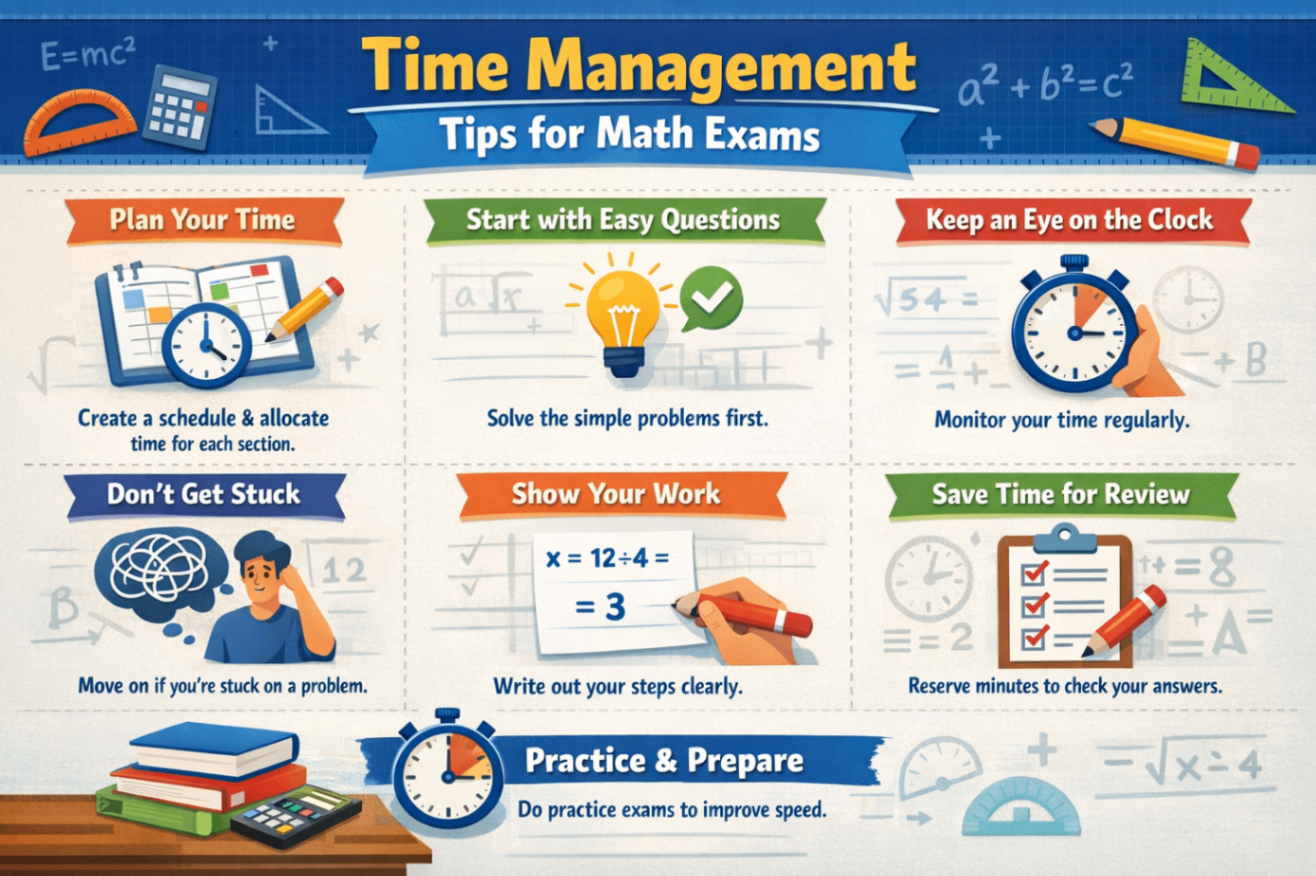
Before any math exam, determine exactly how much time each mark is worth by dividing total exam time by total marks available. Most math exams work out to approximately one minute per mark, meaning a five-mark question deserves about five minutes of your attention. This simple calculation gives you a concrete framework for pacing decisions throughout the exam. Write this ratio on your exam paper as a reference point.
Use Reading Time Strategically
Most math exams provide additional reading time before writing begins, and this period is crucial for planning your approach. Scan the entire paper quickly to identify question types, mark allocations, and any topics that play to your strengths. Note which questions look straightforward and which might require more thought, then create a mental or written plan for your attempt order. This strategic overview prevents surprises and allows you to allocate time intelligently.
Plan Your Attempt Sequence
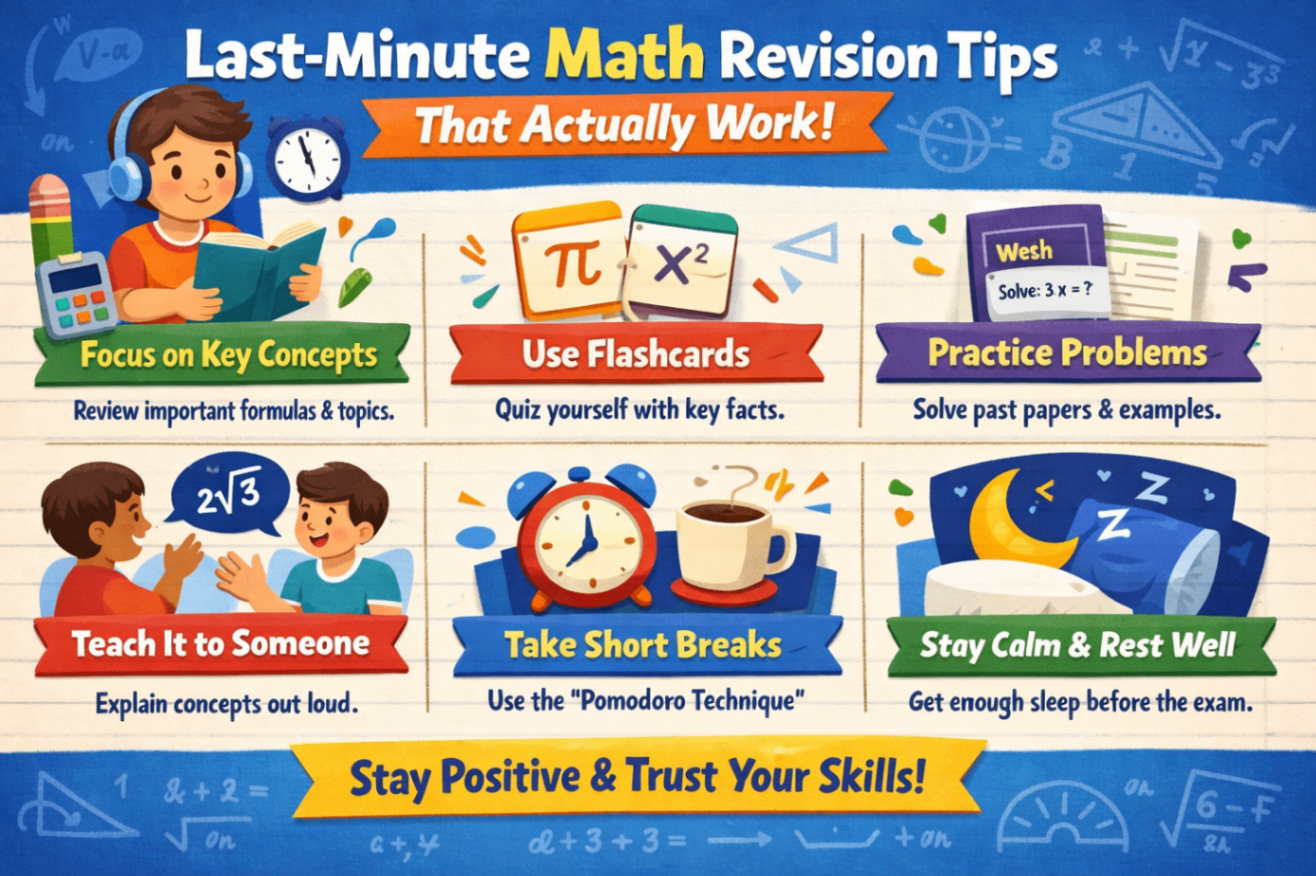
Deciding which questions to tackle first significantly impacts your overall performance and confidence throughout the exam. Starting with questions you find easier builds momentum and ensures you secure those marks before spending time on challenging problems. If you need Last-Minute Math Revision Tips That Actually Work, prioritize reviewing your strongest topics so you can tackle those questions first with confidence.
Build Buffer Time Into Your Plan
Always plan to finish your first pass through the exam with at least five to ten minutes remaining for review and returning to skipped questions. This buffer protects you against unexpected difficulties and gives you a safety margin for questions that take longer than anticipated. Without built-in extra time, any single problem that runs long creates a cascade of rushing through remaining questions.
During-Exam Time Management Techniques
Once the exam begins, specific techniques help you maintain optimal pacing from first question to last.
Monitor Time at Regular Checkpoints
Wear a simple watch and establish specific checkpoints to assess your progress against your time plan. For example, check your time after completing each section or every fifteen minutes to ensure you're on track. If you find yourself behind schedule, you can adjust immediately rather than discovering time pressure only in the final moments. Regular monitoring prevents the panic of sudden time awareness.
Apply the Skip-and-Return Strategy
When you encounter a question that resists your initial approach, don't let it consume disproportionate time hoping for a breakthrough. Mark it clearly, move forward to collect marks from questions you can solve efficiently, then return with remaining time. Often, your subconscious continues working on difficult problems while you solve others, and solutions become clearer on your second attempt. This technique maximizes total marks rather than perfect sequential completion.
Use Technology Tools Wisely
Calculators and other permitted tools should accelerate your problem-solving, not slow it down through unfamiliarity or overuse. Practice with your exam calculator beforehand so you can access functions quickly without hunting through menus during precious exam time. When practicing at home, an AI Math Solver can help you verify solutions and understand step-by-step approaches, but remember that exam success requires internalizing these methods. Know when mental math is faster than reaching for your calculator.
Balance Speed and Accuracy Continuously
Working faster isn't helpful if it generates errors you must later correct or that cost you marks outright. Aim for a steady, sustainable pace where you complete each step carefully before moving to the next rather than rushing and backtracking. Double-checking critical calculations as you go takes less time than reviewing an entire paper for errors at the end. Consistent accuracy at moderate speed outperforms frantic rushing.
Common Time Traps and How to Avoid Them
Awareness of typical time-wasting patterns helps you recognize and correct these behaviors before they impact your score.
The Perfectionism Trap
Some students spend excessive time refining answers to questions they've already solved correctly rather than moving to unattempted problems. Once you have a complete, reasonable answer, resist the urge to keep checking and rechecking while fresh marks wait elsewhere. Perfectionism on solved questions steals time from questions that could add to your score. Practice recognizing when an answer is good enough to move on.
Getting Stuck on Early Questions
A difficult question near the beginning of an exam can derail your entire time plan if you let frustration drive repeated attempts. Remember that question order doesn't reflect importance, and marks from later questions count equally toward your total score. If you struggle with an early question, flag it immediately and build confidence with accessible questions before returning. Your mental state affects performance, so maintain momentum.
Overcomplicating Solutions
Math problems often have elegant, efficient solutions, and if your approach requires extensive calculations, you might be missing a simpler method. When you find yourself filling pages with working for a modest mark allocation, pause to reconsider your approach. Time spent searching for a better method often saves more time than grinding through a complicated solution. Trust that examiners design questions with reasonable solution paths.
Neglecting Easy Marks
Under time pressure, some students focus on challenging questions while rushing through simpler ones, making careless errors on marks they should have secured. Every mark has equal value regardless of question difficulty, so treat straightforward questions with appropriate care. Complete simpler questions accurately before investing heavily in difficult problems where success is less certain. Secure your base before reaching for extra marks.
Practice Strategies for Better Exam Timing
Improving your time management requires deliberate practice that simulates real exam conditions.
Simulate Full Exam Conditions
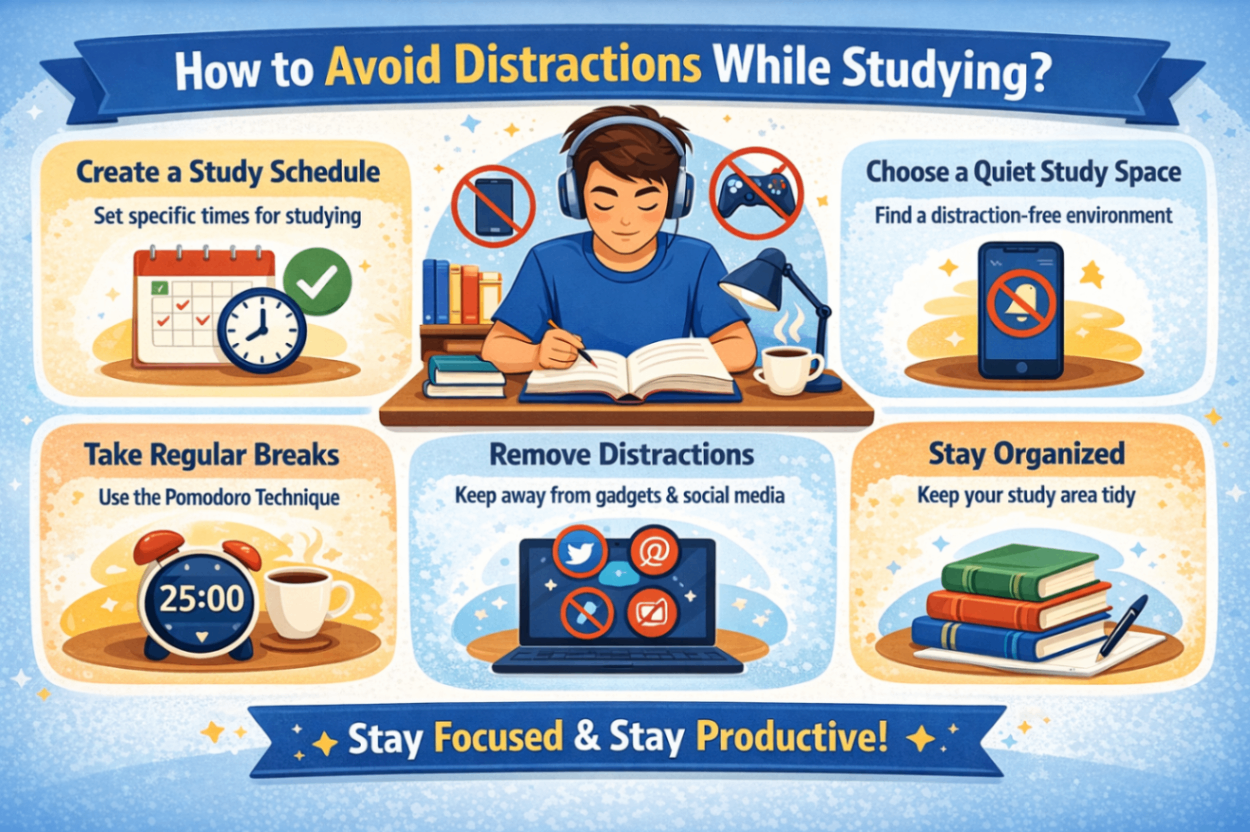
Complete past papers under strict exam timing, including finding a quiet space, removing distractions, and using only permitted materials. This realistic practice reveals your true pacing tendencies and highlights which question types consume disproportionate time. Without simulated pressure, you cannot accurately assess or improve your exam time management skills. Make timed practice a regular part of your study routine.
Analyze Your Time Spending
After each practice exam, review not just which questions you answered correctly but how long different sections and question types took. Identify patterns in your time allocation, noting whether particular topics or question formats consistently slow you down. This analysis guides both your content revision and your strategic approach to future exams. Data-driven improvement accelerates your progress significantly.
Practice Under Varying Time Constraints
Occasionally complete practice questions with slightly less time than you would have in the actual exam to build speed and stress tolerance. This challenge mode forces you to make quicker decisions and develops the ability to perform under pressure. When you return to normal timing, the exam pace feels more comfortable and manageable. Controlled stress exposure builds exam resilience.
Develop Question-Type Time Estimates
Through practice, build personal benchmarks for how long different question types should take you specifically, based on your strengths and working style. These estimates become your internal guide during exams, helping you recognize immediately when a question is taking too long. Personalized timing awareness is more valuable than generic advice because it reflects your actual solving speeds. Track and refine these estimates over time.
Conclusion
Mastering time management tips for math exams transforms your ability to demonstrate what you actually know under test conditions. The strategies covered here, from pre-exam planning through in-exam techniques to practice methods, work together to build comprehensive pacing skills. Remember that time management is a learnable skill that improves with deliberate, consistent practice rather than a fixed ability. Start implementing these approaches in your next practice session and refine your system through experience. With strategic pacing as part of your exam toolkit, you can approach math tests confidently, knowing you'll have time to show your full capabilities.
Frequently Asked Questions
How do I know if I'm spending too long on a question?
Use the minutes-per-mark ratio as your guide. If a question is worth four marks and you've already spent six or seven minutes without significant progress, it's time to move on. Mark the question clearly and return to it after completing problems you can solve more efficiently. Your internal sense of appropriate time improves with practice.
Should I answer questions in order or skip around?
Research and experience suggest starting with questions you find most accessible, regardless of their position in the exam. This approach builds confidence, secures marks early, and gives your brain time to subconsciously process harder questions. However, ensure you have a system to track which questions remain unanswered so nothing gets accidentally skipped.
What should I do if I finish early?
Use remaining time productively by reviewing your answers systematically rather than sitting idle or leaving immediately. Check calculations, verify that your answers make sense in context, ensure you've answered what was actually asked, and revisit any flagged questions. These final minutes often catch errors worth significant marks.
How can I stay calm when time pressure builds?
If you notice anxiety rising during the exam, pause briefly for three slow, deep breaths before continuing. Remind yourself that panicking wastes more time than the brief pause costs. Trust your preparation and your time management plan, adjusting your strategy rationally rather than emotionally. Staying calm preserves the clear thinking you need.
How much time should I leave for checking my work?
Aim to reserve five to ten minutes at the end of your exam for review, depending on total exam length. This buffer allows you to catch calculation errors, verify units and rounding, return to skipped questions, and ensure all answers are clearly presented. Build this review time into your initial time plan as non-negotiable.