Homework has been a cornerstone of education for generations, but the landscape is shifting dramatically as technology reshapes how students learn outside the classroom. Understanding the future of homework trends every student should know has become essential for academic success in an era where digital tools, artificial intelligence, and collaborative platforms are transforming traditional assignments into dynamic learning experiences. The way students approach homework today looks nothing like it did even five years ago, and the pace of change continues accelerating. From AI-powered tutoring available around the clock to immersive virtual reality lessons, the boundaries between classroom learning and home study are blurring in exciting ways. This guide explores the key trends reshaping homework and provides practical insights to help you thrive in this evolving educational landscape.
The Rise of AI-Powered Learning Tools
Artificial intelligence is fundamentally changing how students complete assignments and engage with educational content outside school hours. These intelligent systems are becoming indispensable companions for learners seeking support with everything from math problems to essay writing.
Instant Access to Personalized Tutoring
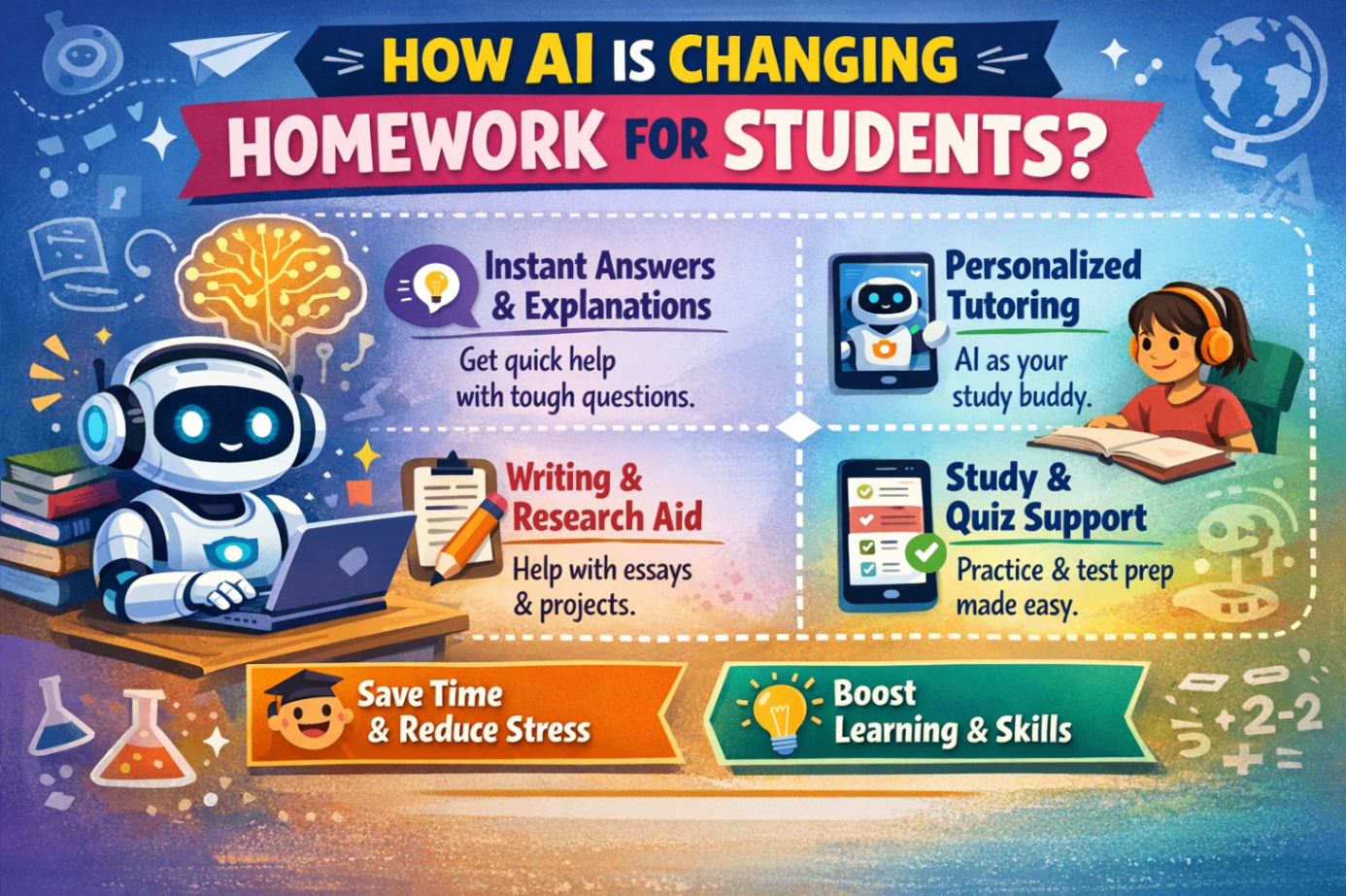
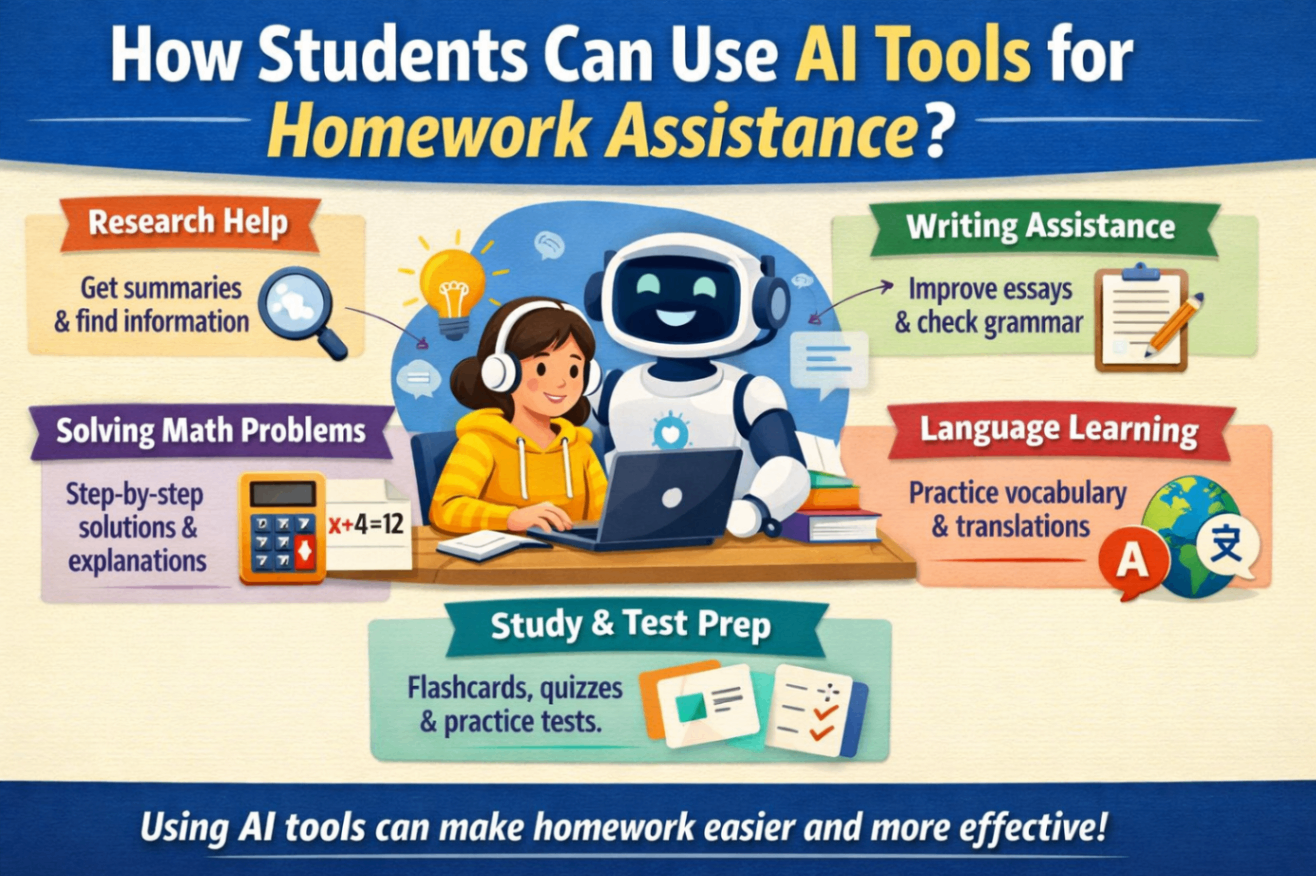
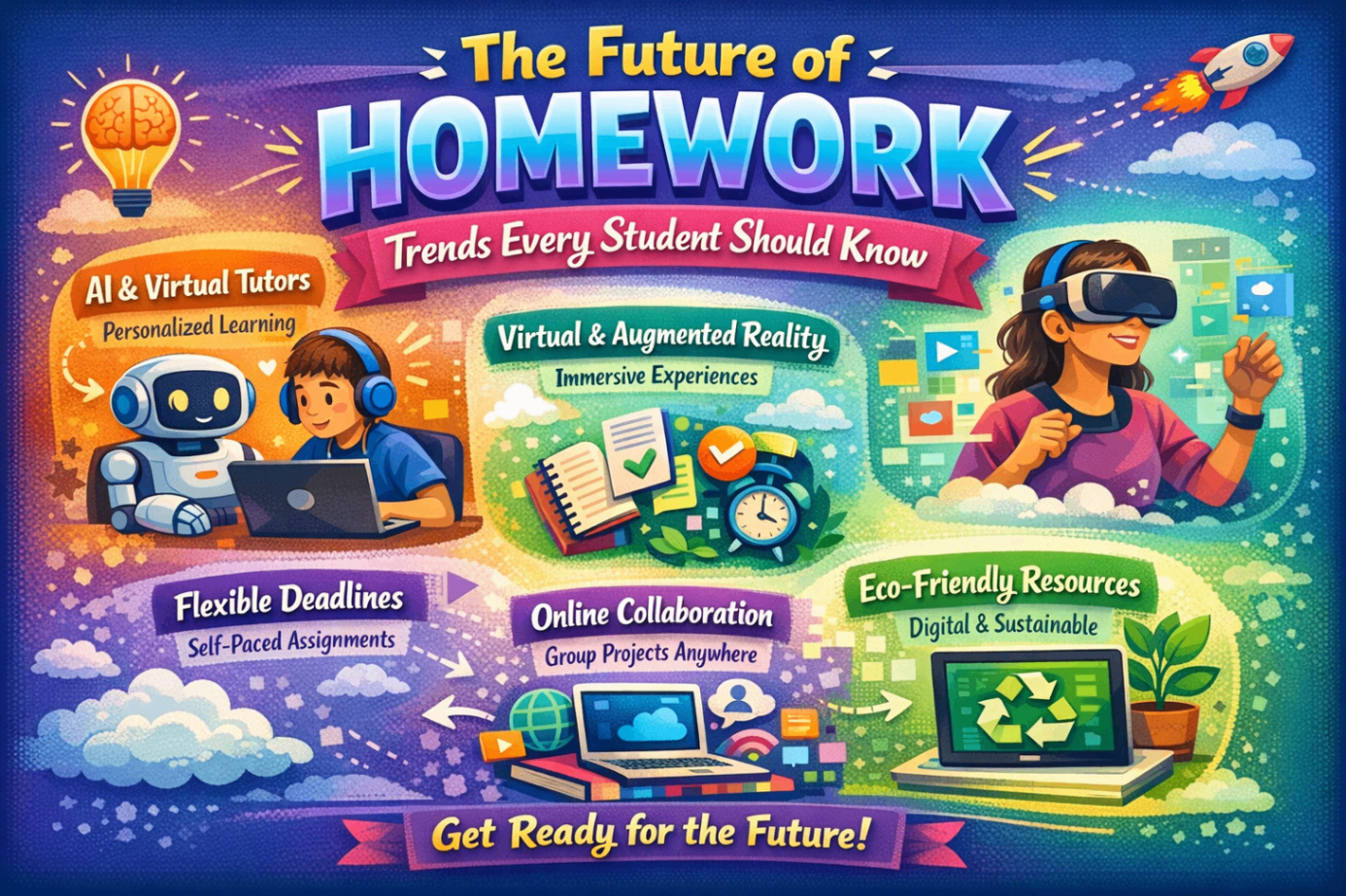
Generative AI tools like ChatGPT, Claude, and Gemini have made expert-level academic support available to every student at any hour. Unlike waiting for office hours or scheduling tutoring sessions, students can now receive immediate explanations tailored to their specific questions. An AI Homework Helper can explain concepts multiple ways until understanding clicks, adapting to each student's needs and learning pace.
Adaptive Learning Experiences
AI-powered platforms can assess individual strengths and weaknesses, then customize assignments accordingly for optimal learning outcomes. Students who grasp concepts quickly receive more challenging material, while those needing additional practice get reinforcement exercises. This personalization ensures homework time is spent productively rather than on material already mastered or frustratingly beyond current abilities.
Immediate Feedback Loops
Traditional homework often meant waiting days to discover mistakes, missing the critical window when corrections would be most meaningful. AI tools provide instant feedback, allowing students to understand errors and learn from them in real time. This immediate response reinforces learning far more effectively than delayed corrections ever could.
The Responsible Use Challenge
While AI offers tremendous benefits, students must learn to use these tools as learning aids rather than shortcuts that bypass genuine understanding. The temptation to let AI complete assignments entirely undermines the skill-building homework is designed to provide. Successful students will treat AI as a tutor that explains and guides rather than a service that simply produces answers.
Digital Collaboration Transforming Group Work
Online collaboration platforms are revolutionizing how students work together on assignments, breaking down geographical barriers and teaching essential teamwork skills. These tools mirror modern workplace environments, preparing students for professional collaboration.
Real-Time Project Collaboration
Platforms like Google Classroom, Microsoft Teams, and specialized educational apps enable students to work simultaneously on shared documents regardless of physical location. Group projects no longer require coordinating schedules for in-person meetings when everyone can contribute from home. This flexibility has transformed group assignments into seamless collaborative experiences that develop communication skills essential for modern careers.
Peer Learning Networks
Digital tools facilitate peer interaction and idea sharing that extends learning beyond individual effort into community knowledge building. Students can learn from classmates who approach problems differently, gaining perspectives they might never encounter working alone. Discussion forums and collaborative note-taking create rich resources that benefit everyone involved.
Global Learning Communities
Technology connects students with peers worldwide, enabling cross-cultural collaboration on projects that span continents and time zones. These global connections expose students to diverse perspectives and approaches that enrich learning beyond what any single classroom could provide. International collaboration projects teach cultural competency alongside academic content.
Building Essential Soft Skills
Beyond academic content, digital collaboration develops crucial soft skills like teamwork, communication, and problem-solving that employers consistently rank as top priorities. Learning to coordinate effectively with remote teammates and manage shared responsibilities prepares students for modern work environments. These skills transfer directly into professional success regardless of chosen career field.
Personalized and Flexible Assignment Models
The one-size-fits-all approach to homework is giving way to personalized models that respect individual learning styles, paces, and circumstances. This shift acknowledges that students have diverse needs that rigid assignments cannot adequately serve.
Student Choice in Assignments
Progressive educators increasingly offer assignment options that let students demonstrate learning through methods matching their strengths and interests. A student might choose between writing an essay, creating a video presentation, or building a visual project to show understanding. This flexibility maintains learning objectives while accommodating different learning styles and keeping engagement high.
Competency-Based Progression
Rather than requiring all students to complete identical homework regardless of mastery level, competency-based models allow advancement once understanding is demonstrated. Students who already grasp concepts can move forward while those needing more practice get it without feeling left behind. This approach respects individual pacing and prevents both boredom and frustration.
Mental Health Considerations
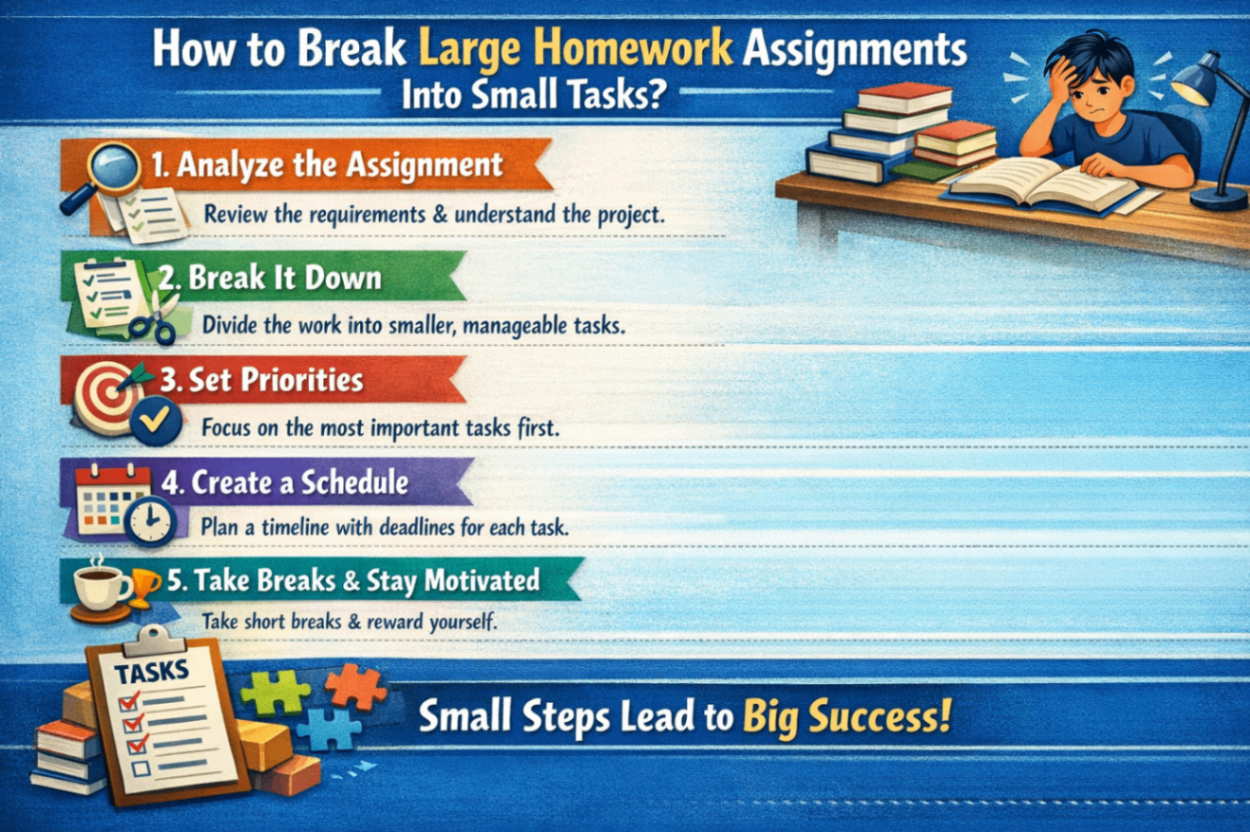
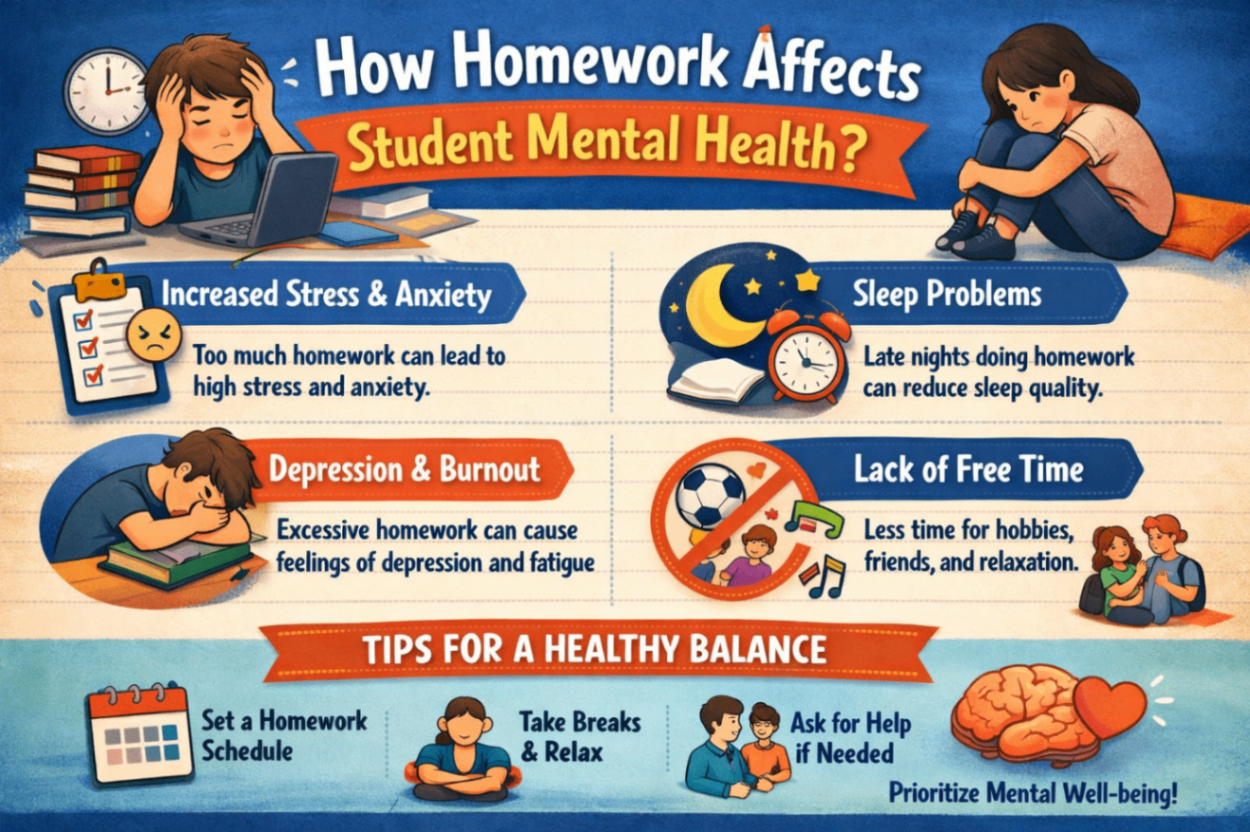
Schools increasingly recognize that excessive homework can harm student wellbeing, leading to policies that prioritize meaningful assignments over sheer volume. Understanding How to Break Large Homework Assignments Into Small Tasks becomes essential for managing workloads effectively. The future of homework balances academic rigor with recognition that students need time for rest and activities.
Flexible Deadlines and Formats
Rigid due dates are softening as educators recognize that life circumstances sometimes interfere with academic schedules despite best intentions. Some schools experiment with flexible submission windows that reduce stress while maintaining accountability. Students learn to prioritize and plan while receiving grace when genuine obstacles arise.
Skills-Based Learning Over Repetition
The shift away from rote memorization toward skill development reflects broader changes in what education must accomplish to prepare students for uncertain futures. Homework increasingly focuses on building transferable capabilities rather than recalling isolated facts.
Critical Thinking Emphasis
Modern homework assignments challenge students to analyze, evaluate, and synthesize information rather than simply recall it from textbooks. These higher-order thinking tasks prepare students for careers where problems rarely have predetermined answers. Critical thinking skills transfer across subjects and situations, making them far more valuable than isolated facts.
Real-World Application Projects
Assignments increasingly connect academic concepts to practical applications that demonstrate relevance beyond classroom grades. Students might apply math to personal budgeting, use writing skills for actual communications, or employ scientific thinking to analyze real phenomena. This relevance increases motivation while building skills that transfer directly into adult life.
Inquiry and Research Skills
Rather than providing all information students need, modern assignments often require investigation, evaluation of sources, and synthesis of findings. Students learn to question, verify, and think independently rather than accepting information passively. The ability to research effectively becomes more valuable than any specific knowledge research might uncover.
Creative Problem Solving
Homework increasingly presents open-ended challenges with multiple valid approaches rather than single correct answers to be discovered. This ambiguity mirrors real-world problems where creativity and innovation matter more than following established procedures. Students develop comfort with uncertainty and confidence in their ability to find solutions that work.
Emerging Technologies Shaping Tomorrow
Beyond current trends, emerging technologies promise even more dramatic transformations in how students learn outside traditional classroom settings. Understanding these possibilities helps students prepare for educational experiences unlike anything that exists today.
Virtual and Augmented Reality Learning
Immersive technologies will eventually allow students to explore historical events, conduct virtual science experiments, or practice skills in simulated environments. These experiences provide engagement and retention far beyond what reading textbooks could achieve. The line between homework and experience will continue blurring as these technologies mature.
Adaptive Assessment Systems
Future systems will continuously assess understanding through natural interaction rather than traditional tests, adjusting learning paths automatically. Homework and assessment may merge into seamless learning experiences where progress tracking happens invisibly. Students will receive exactly the practice they need precisely when they need it.
Lifelong Learning Mindsets
Perhaps most importantly, future homework will cultivate habits and mindsets supporting continuous learning throughout careers and life. The rapid pace of change means skills learned in school may become obsolete, making the ability to keep learning the most crucial capability. Success belongs to those who embrace learning as a lifelong journey.
Conclusion
The future of homework trends every student should know points toward more personalized, technology-enhanced, and skills-focused learning experiences that prepare students for success in a rapidly changing world. From AI tutoring available around the clock to collaborative platforms connecting learners globally, the tools transforming homework offer tremendous opportunities for those who embrace them thoughtfully. Understanding these trends positions you to leverage new resources effectively while avoiding pitfalls like over-dependence on technology. The students who thrive will balance technological advantages with genuine engagement, using AI and digital tools to enhance rather than replace their own thinking. As homework continues evolving, staying informed about emerging trends and developing strong foundational skills remains the surest path to academic and career success. The future of learning is exciting, and students who adapt thoughtfully will find themselves better prepared than any generation before them.
Frequently Asked Questions
How will AI change homework in the next few years?
AI will increasingly serve as a personalized tutor available whenever students need help, providing explanations tailored to individual learning styles and paces. Expect AI to offer instant feedback on assignments, identify knowledge gaps, and suggest targeted practice. However, schools will also develop clearer guidelines about appropriate AI use to ensure students still develop genuine understanding. The key will be using AI as a learning aid rather than a shortcut that bypasses actual skill development.
Will traditional homework eventually disappear completely?
Traditional homework is unlikely to disappear entirely but will transform significantly toward more personalized, skills-based, and technology-enhanced formats. Repetitive drill-and-practice assignments may decline as AI handles routine practice more efficiently. Meanwhile, creative projects, collaborative work, and real-world application assignments will likely increase. The quantity of homework may decrease while quality and intentionality increase.
How can students prepare for these homework changes?
Students should develop comfort with digital collaboration tools, practice using AI responsibly as a learning aid, and cultivate strong foundational skills in critical thinking and research. Building good time management and self-directed learning habits prepares you for more flexible assignment structures. Stay curious about new educational technologies while remembering that genuine understanding matters more than completing assignments efficiently.
What challenges do these trends create for students?
The digital divide remains significant, as not all students have equal access to technology and reliable internet connections needed for modern homework formats. Over-reliance on AI tools can undermine genuine learning if students use them as shortcuts. Additionally, constant connectivity may blur boundaries between school and personal time, creating stress. Students must actively manage these challenges while embracing the opportunities new trends provide.
How are schools adapting assessment to account for AI use?
Schools are experimenting with various approaches including in-class assessments without technology, project-based evaluations focusing on process documentation, and oral examinations that verify understanding. Some educators are redesigning assignments to be AI-resistant by emphasizing personal reflection and unique perspectives. The assessment landscape will continue evolving as educators find effective ways to measure genuine learning in an AI-enabled environment.