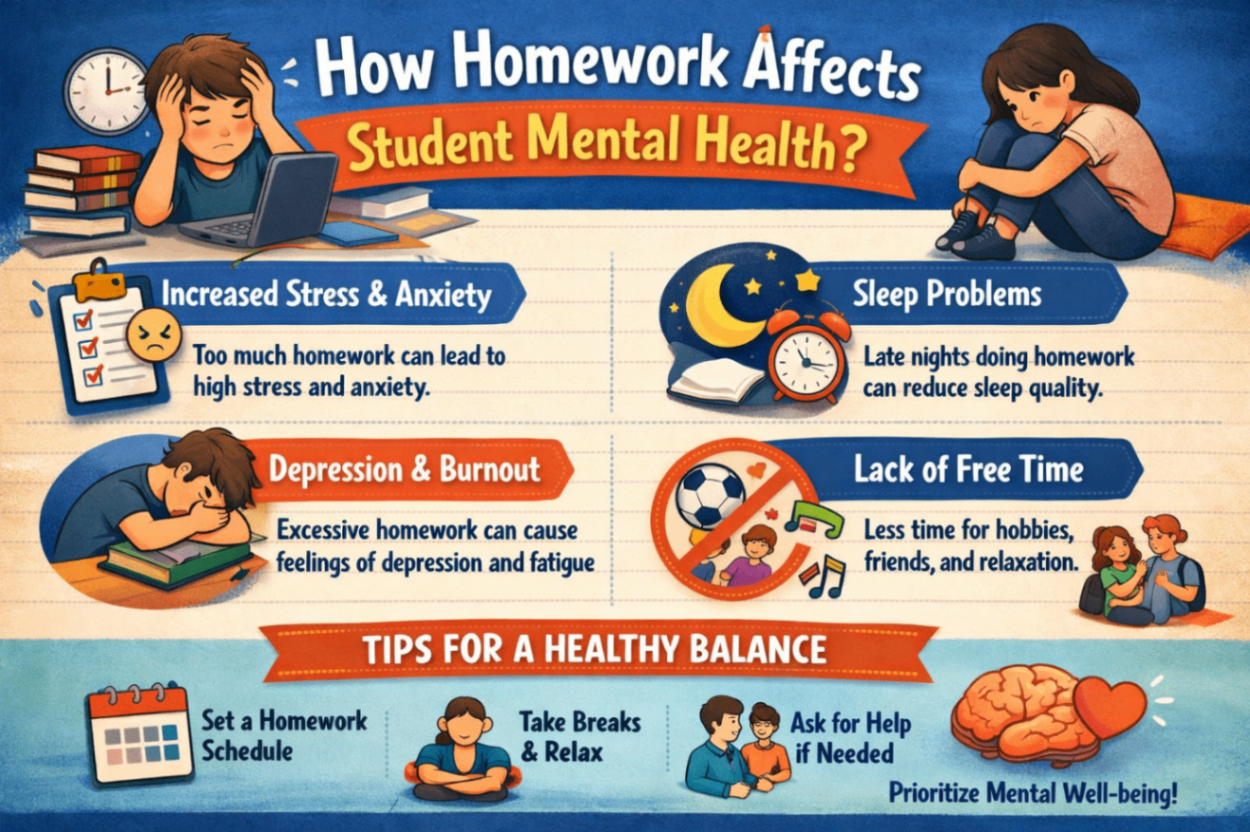
The relationship between homework and student wellbeing has become an increasingly important topic as academic pressures continue to rise in schools across the country. While homework has long been considered a fundamental part of education, growing evidence suggests that excessive assignments can take a significant toll on young minds. Understanding how homework affects student mental health helps parents, educators, and students themselves recognize warning signs and implement healthier approaches to learning. Students today face unprecedented academic demands, often spending hours each night completing assignments after already enduring six or seven hours of classroom instruction. This relentless workload leaves little time for rest, recreation, or the social connections essential for healthy development. By examining the research and understanding the psychological impact of homework overload, families can work together to create balanced approaches that support both academic success and emotional wellbeing.
The Connection Between Homework and Mental Health
Research increasingly demonstrates a clear link between excessive homework and declining student mental health. When academic demands exceed reasonable limits, students experience psychological consequences that extend far beyond temporary frustration or fatigue.
How Excessive Workload Creates Chronic Stress
Students who spend more than two hours nightly on homework report significantly higher stress levels than peers with lighter workloads. This chronic stress triggers physiological responses including elevated cortisol levels, disrupted sleep patterns, and compromised immune function. Over time, sustained academic pressure can fundamentally alter how young brains process and respond to stressful situations, potentially creating lasting vulnerability to anxiety disorders.
The Anxiety and Depression Connection
Homework-related stress frequently manifests as clinical anxiety and depression symptoms in students of all ages. When children consistently feel overwhelmed by assignments they cannot complete, feelings of inadequacy and hopelessness develop. Studies show that over 56 percent of students identify homework as their primary source of stress, with many reporting persistent worry, difficulty concentrating, and loss of interest in activities they previously enjoyed.
Sleep Deprivation and Its Cascading Effects
Late-night homework sessions directly interfere with the sleep young people desperately need for cognitive development and emotional regulation. Students staying up past midnight to finish assignments experience reduced REM sleep, which impairs memory consolidation and emotional processing. This sleep deprivation creates a destructive cycle where exhausted students struggle to focus during class, fall further behind, and face even more homework pressure.
Physical Health Consequences of Academic Pressure
The mental strain of excessive homework manifests in physical symptoms including headaches, stomach problems, and unexplained fatigue. More than 80 percent of students in high-achieving schools report experiencing at least one stress-related physical symptom monthly. These somatic complaints often signal underlying psychological distress that requires attention before developing into more serious mental health conditions.
Warning Signs That Homework Is Harming Your Student
Recognizing when homework transitions from beneficial practice to harmful burden allows parents and educators to intervene before serious damage occurs. Early identification of warning signs enables timely support and adjustment of academic expectations.
Behavioral Changes to Monitor Closely
Students struggling with homework-related mental health issues often exhibit noticeable behavioral shifts. Watch for increased irritability, emotional outbursts over minor frustrations, or withdrawal from family interactions during evening hours. Children who previously enjoyed learning may develop avoidance behaviors, procrastinating extensively or making excuses to escape homework responsibilities entirely.
Academic Performance Paradoxes
Counterintuitively, students drowning in homework may show declining rather than improving academic performance. When overwhelmed, children resort to rushing through assignments, copying from peers, or submitting incomplete work. This performance decline despite increased time investment indicates the workload has exceeded productive capacity and is actively harming rather than helping educational outcomes.
Social Withdrawal and Isolation Patterns
Excessive homework steals time from the social interactions essential for healthy adolescent development. Students who consistently decline invitations to spend time with friends, quit extracurricular activities, or isolate themselves in their rooms for hours signal potential mental health concerns. These withdrawal patterns often indicate that academic pressure has become unsustainable and is compromising overall wellbeing.
Physical Symptoms Requiring Attention
Persistent physical complaints without clear medical cause frequently indicate homework-related stress. Recurring headaches, stomachaches before school, changes in appetite, or disrupted sleep patterns warrant investigation into academic pressures. When physicians find no physical explanation for these symptoms, the underlying cause often traces back to unsustainable homework demands.
The Inequity Factor in Homework Impact
How homework affects student mental health varies dramatically based on socioeconomic circumstances and available resources. Understanding these disparities reveals why blanket homework policies often harm the most vulnerable students disproportionately.
Resource Gaps That Amplify Stress
Students from lower-income families face homework challenges that compound academic pressure into overwhelming stress. Without reliable internet access, quiet study spaces, or available parental assistance, completing assignments becomes exponentially more difficult. These students carry guilt and anxiety about factors entirely beyond their control, adding emotional burden to already challenging circumstances.
The Digital Divide and Academic Pressure
Modern homework frequently requires technology that many families cannot afford or access reliably. Students without home computers or internet connections must find alternative solutions, often staying after school or visiting libraries. This additional time investment cuts into rest, work hours for employed teens, and family responsibilities, creating stress cascades that privileged peers never experience.
Working Students Face Double Burdens
Many teenagers from economically disadvantaged backgrounds work after school to support their families or save for their futures. When teachers assign hours of homework without considering these realities, working students face impossible choices between academic success and financial necessity. This conflict generates profound stress and often forces students to sacrifice sleep, social connection, or academic performance.
Strategies for Protecting Student Mental Health
Addressing how homework affects student mental health requires proactive strategies from students, parents, and educators working together. Implementing protective measures creates sustainable approaches to academic success without sacrificing wellbeing.
Establishing Healthy Homework Boundaries
Students benefit enormously from clear boundaries around homework time and intensity. Research suggests that beyond two hours nightly, additional homework provides minimal academic benefit while substantially increasing stress. Families should establish reasonable cutoff times after which students put assignments away regardless of completion, prioritizing rest over perfect homework records.
Building Effective Time Management Skills
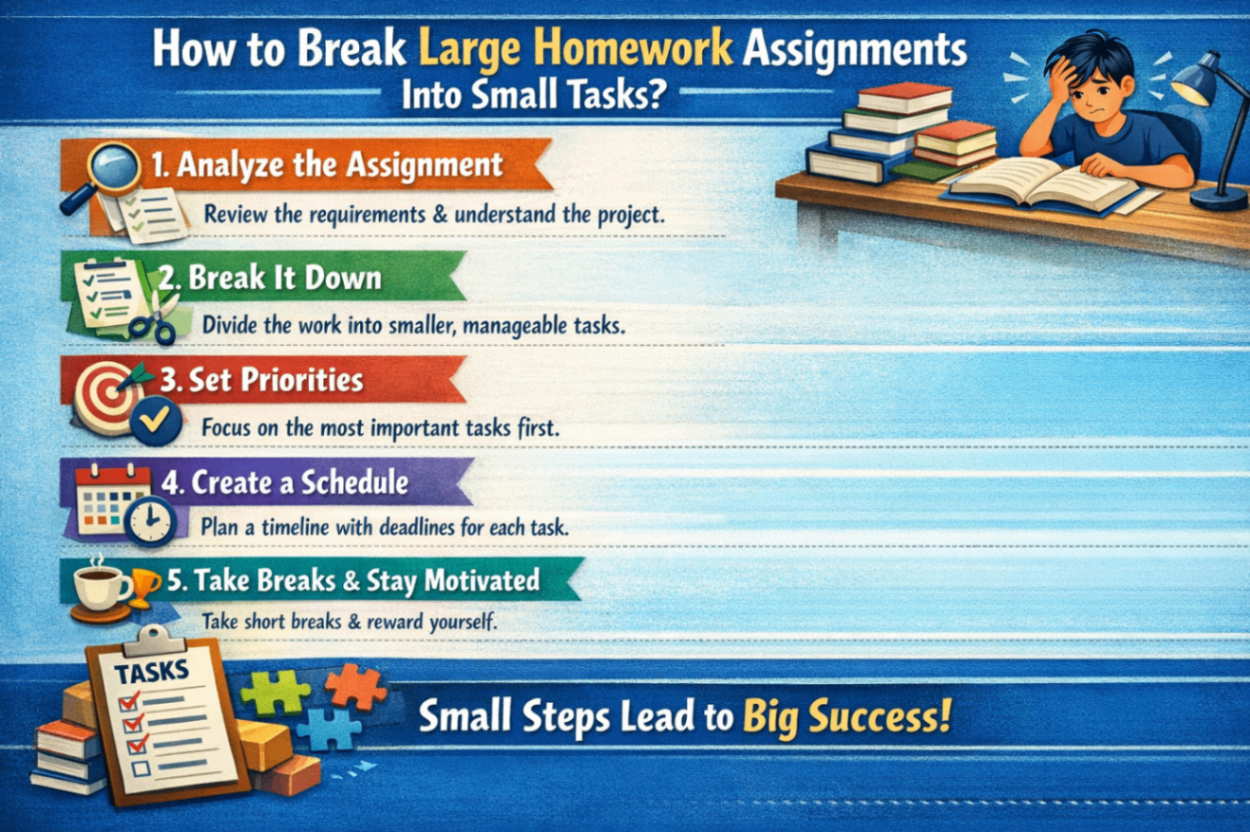
Teaching students to approach homework strategically reduces both time investment and associated stress. Breaking large assignments into smaller tasks, prioritizing based on deadlines and difficulty, and eliminating distractions during study sessions increases efficiency. Learning How To Motivate Yourself To Do Homework helps students develop intrinsic drive that makes assignments feel less burdensome.
Leveraging Technology for Support
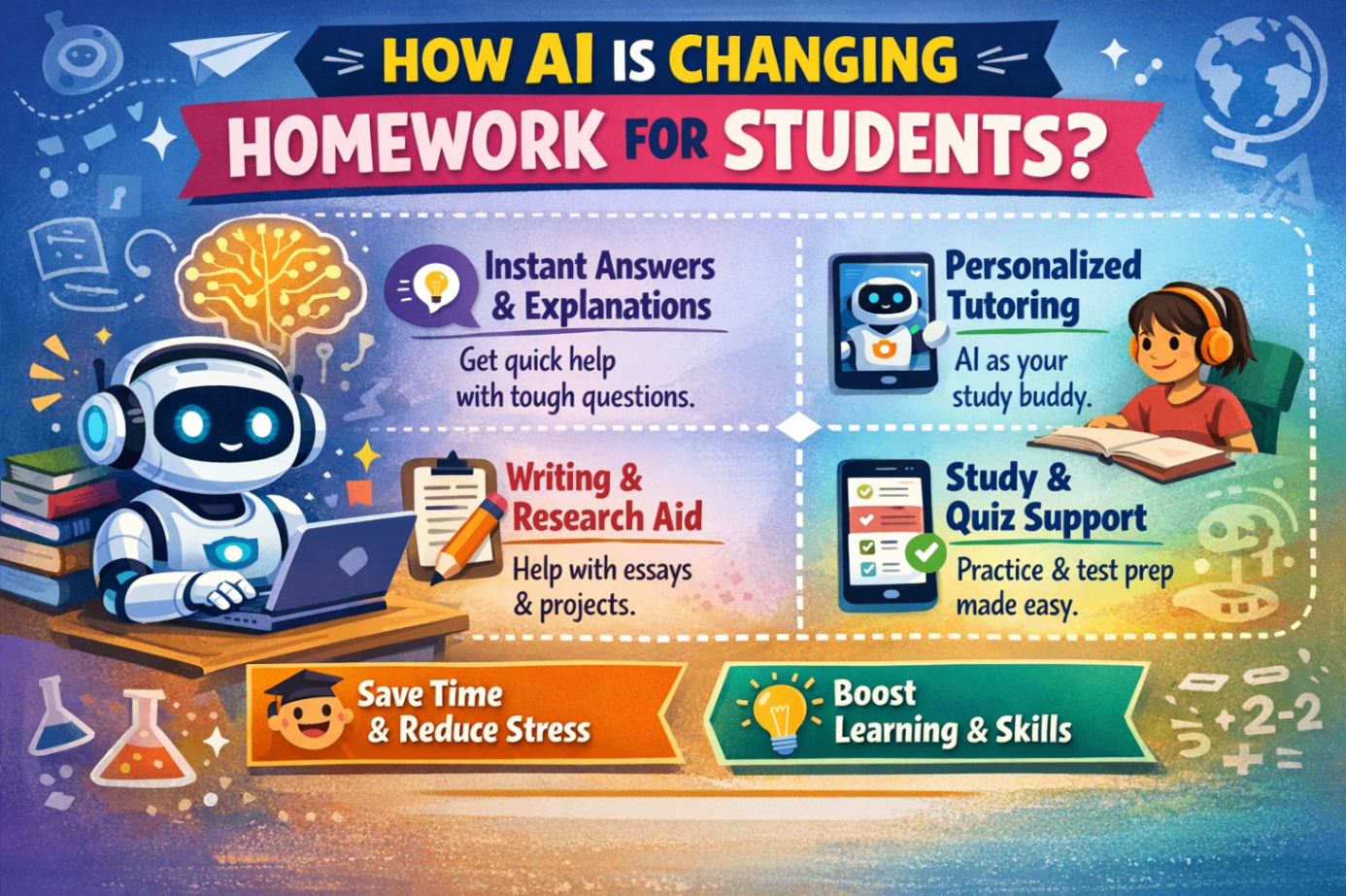
Modern tools can significantly reduce homework-related stress when used appropriately. An AI Homework Helper provides guidance through challenging problems without giving away answers, helping students build understanding while reducing frustration. These resources allow students to work through difficult material independently, building confidence alongside academic skills.
Communication Between Home and School
Open dialogue between parents and teachers creates opportunities to address homework concerns before they escalate into mental health crises. Parents should feel empowered to discuss workload concerns with educators, while teachers benefit from understanding individual student circumstances that affect homework completion. This collaborative approach ensures academic expectations align with student capacity and wellbeing.
The Role of Schools in Student Mental Health
Educational institutions bear significant responsibility for how homework affects student mental health through policies, expectations, and support systems. Schools that prioritize wellbeing alongside achievement create environments where students can thrive academically without sacrificing psychological health.
Rethinking Homework Policies Institutionally
Forward-thinking schools are reconsidering traditional homework approaches in light of mental health research. Some institutions have implemented homework-free weekends, eliminated assignments for younger grades, or capped total nightly homework across all subjects. These policy changes acknowledge that student wellbeing requires institutional protection, not just individual coping strategies.
Training Educators on Mental Health Awareness
Teachers equipped to recognize homework-related mental health concerns can intervene before problems escalate. Professional development on stress symptoms, appropriate workload calibration, and communication with struggling students empowers educators to balance academic rigor with compassion. This training transforms teachers from potential stressors into supportive allies in student mental health.
Creating Support Systems Within Schools
Comprehensive school mental health resources provide crucial backup when homework pressures become overwhelming. Counselors trained in academic stress management, peer support programs, and accessible intervention services ensure students have somewhere to turn when struggling. These systems catch students before homework-related mental health concerns develop into crises requiring intensive treatment.
Conclusion
Understanding how homework affects student mental health empowers families and educators to create balanced approaches that support both academic achievement and emotional wellbeing. The evidence clearly shows that excessive homework creates stress, anxiety, sleep deprivation, and physical health problems that undermine the very learning it supposedly promotes. By recognizing warning signs early, establishing healthy boundaries, and maintaining open communication between home and school, we can protect students from unnecessary psychological harm. Students deserve educational experiences that challenge them appropriately without crushing their spirits or compromising their health. Parents, teachers, and administrators must work together to ensure homework serves its intended purpose of reinforcing learning rather than becoming a source of chronic stress. With thoughtful approaches and willingness to prioritize wellbeing alongside achievement, we can help young people develop into healthy, capable adults prepared for future success.
Frequently Asked Questions
Can homework actually cause mental health problems in students?
Yes, research demonstrates that excessive homework can contribute to mental health issues including anxiety, depression, and chronic stress. Students who spend more than two hours nightly on assignments report significantly higher stress levels and more frequent symptoms like sleep problems, headaches, and emotional exhaustion. While moderate homework may benefit learning, workloads exceeding reasonable limits can cause genuine psychological harm requiring intervention and support.
How much homework is too much for student mental health?
Research suggests that homework beyond two hours per night provides minimal academic benefit while substantially increasing stress and negative health outcomes. The National Education Association recommends 10 minutes per grade level, meaning sixth graders should have approximately 60 minutes nightly. When students consistently spend three or more hours on assignments, warning signs of mental health impact typically emerge.
What are the warning signs that homework is affecting my child's mental health?
Watch for behavioral changes including increased irritability, emotional outbursts, social withdrawal, and avoidance of homework responsibilities. Physical symptoms like recurring headaches, stomachaches, sleep disruption, and appetite changes often indicate stress. Academic paradoxes where grades decline despite increased study time, or when children who previously enjoyed learning develop negative attitudes toward school, signal homework-related mental health concerns.
How can parents help reduce homework-related stress for their children?
Parents can establish clear homework boundaries including reasonable cutoff times regardless of assignment completion. Creating quiet, organized study spaces and teaching time management skills reduces frustration. Maintaining open communication with teachers about workload concerns allows for adjustments when needed. Most importantly, parents should prioritize their child's overall wellbeing over perfect academic performance.
Should schools eliminate homework to protect student mental health?
Rather than complete elimination, most experts recommend homework reform that considers mental health impacts. Schools should implement reasonable limits, ensure assignments serve clear educational purposes, and accommodate students facing challenging home circumstances. Policies like homework-free weekends, caps on total nightly assignments across subjects, and flexibility for struggling students balance academic goals with wellbeing protection.