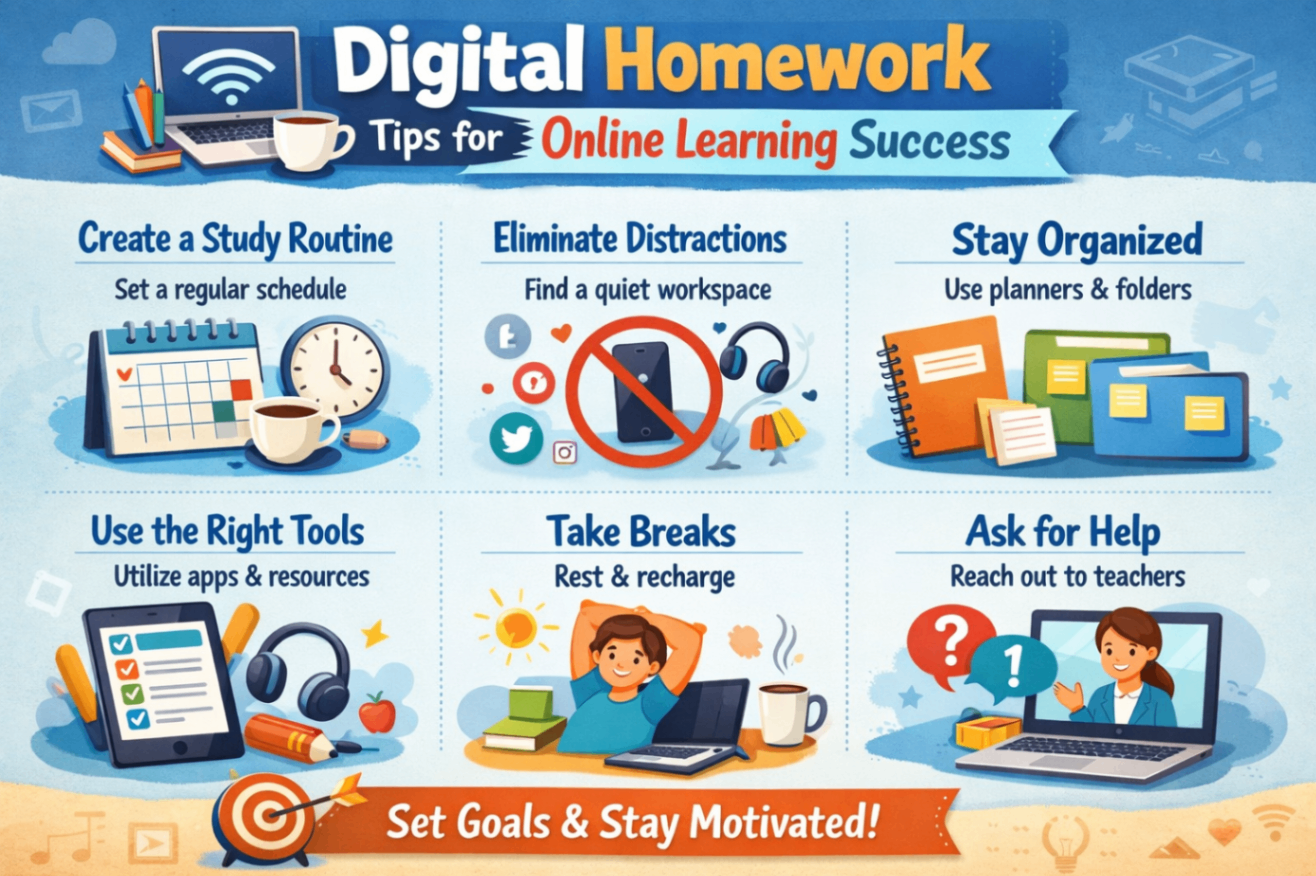
Online learning has transformed education by offering unprecedented flexibility and accessibility for students worldwide seeking quality learning experiences. However, succeeding in digital environments requires developing specific skills and strategies that differ significantly from traditional classroom settings. Mastering digital homework tips for online learning success can transform what feels overwhelming into an empowering educational journey. Without intentional approaches to organization, time management, and focus, online homework can feel isolating and difficult to manage amid home distractions. The good news is that with the right tools, habits, and mindset, you can thrive academically while enjoying the flexibility that digital learning provides. This comprehensive guide offers practical, actionable strategies to help you complete assignments efficiently, maintain motivation, and achieve your academic goals from anywhere.
Creating an Effective Digital Workspace
Your physical environment significantly impacts your ability to concentrate and complete homework effectively when learning online. A dedicated workspace signals to your brain that focused work is beginning and helps establish productive routines that support academic success.
Choosing the Ideal Location
Select a quiet area with good lighting that remains free from household interruptions and everyday distractions that compete for attention. Ideally, this space should be separate from where you relax or sleep so your brain associates it specifically with productive work. If a separate room is unavailable, even a designated corner with a clean desk creates the mental boundary needed for sustained focus.
Organizing Your Study Materials
Keep all necessary supplies within arm's reach so you avoid wasting time searching for items mid-assignment or losing momentum gathering materials. Essential items include notebooks, pens, device chargers, headphones, and any textbooks or reference materials you regularly need. A well-organized workspace reduces friction and makes starting homework feel less daunting, helping you maintain focus once you begin working.
Optimizing Technology Setup
Ensure your devices are charged, updated, and functioning properly before each study session to avoid frustrating technical interruptions. Test your internet connection regularly and identify backup connectivity options if your primary connection fails, such as libraries or mobile hotspots. Familiarize yourself with platforms your courses use, whether Zoom, Google Classroom, or Microsoft Teams, so technical confusion never becomes a barrier.
Personalizing for Motivation
Add elements that make your workspace inviting without creating distractions, such as a plant, motivational quotes, or quality lighting. A workspace you enjoy spending time in reduces resistance to starting homework and sustains focus during longer sessions. Balance personalization with simplicity since excessive decorations can become distracting rather than motivating.
Mastering Time Management Strategies
Time management becomes critically important in online learning where external structure decreases and self-discipline must compensate effectively. Developing strong time management skills ensures you meet deadlines consistently without experiencing last-minute stress and anxiety.
Establishing Consistent Routines
Create regular study times that align with your peak energy levels and treat them as non-negotiable commitments like scheduled classes. This consistency trains your brain to expect focused work at certain times, reducing the mental effort required to begin each session. Block these times on your calendar and protect them from competing demands to maintain academic progress.
Breaking Down Large Assignments
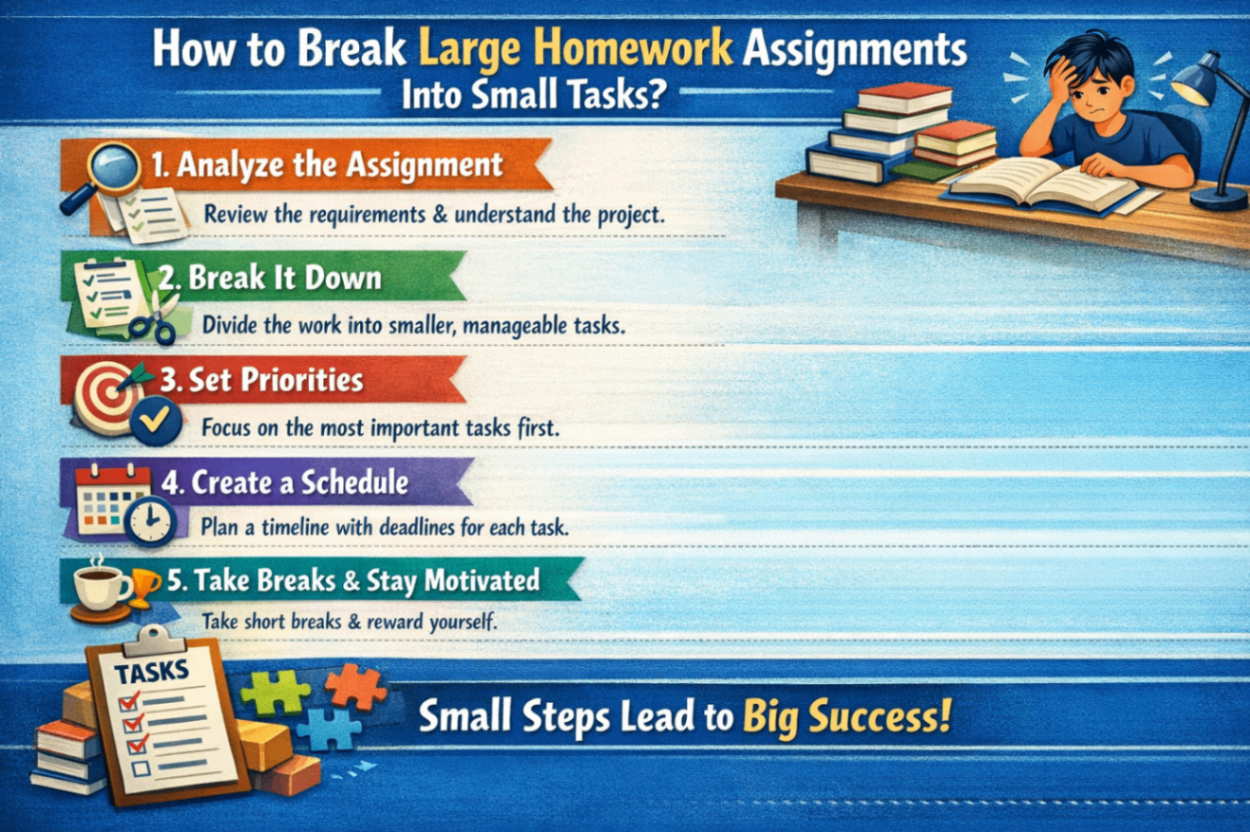
Divide major projects into smaller, manageable tasks with individual deadlines spread across your available time before the final due date. Rather than facing overwhelming projects all at once, tackle one component daily to maintain steady progress without burnout. This approach provides frequent completion satisfaction that keeps motivation high throughout longer assignments.
Using Digital Planning Tools
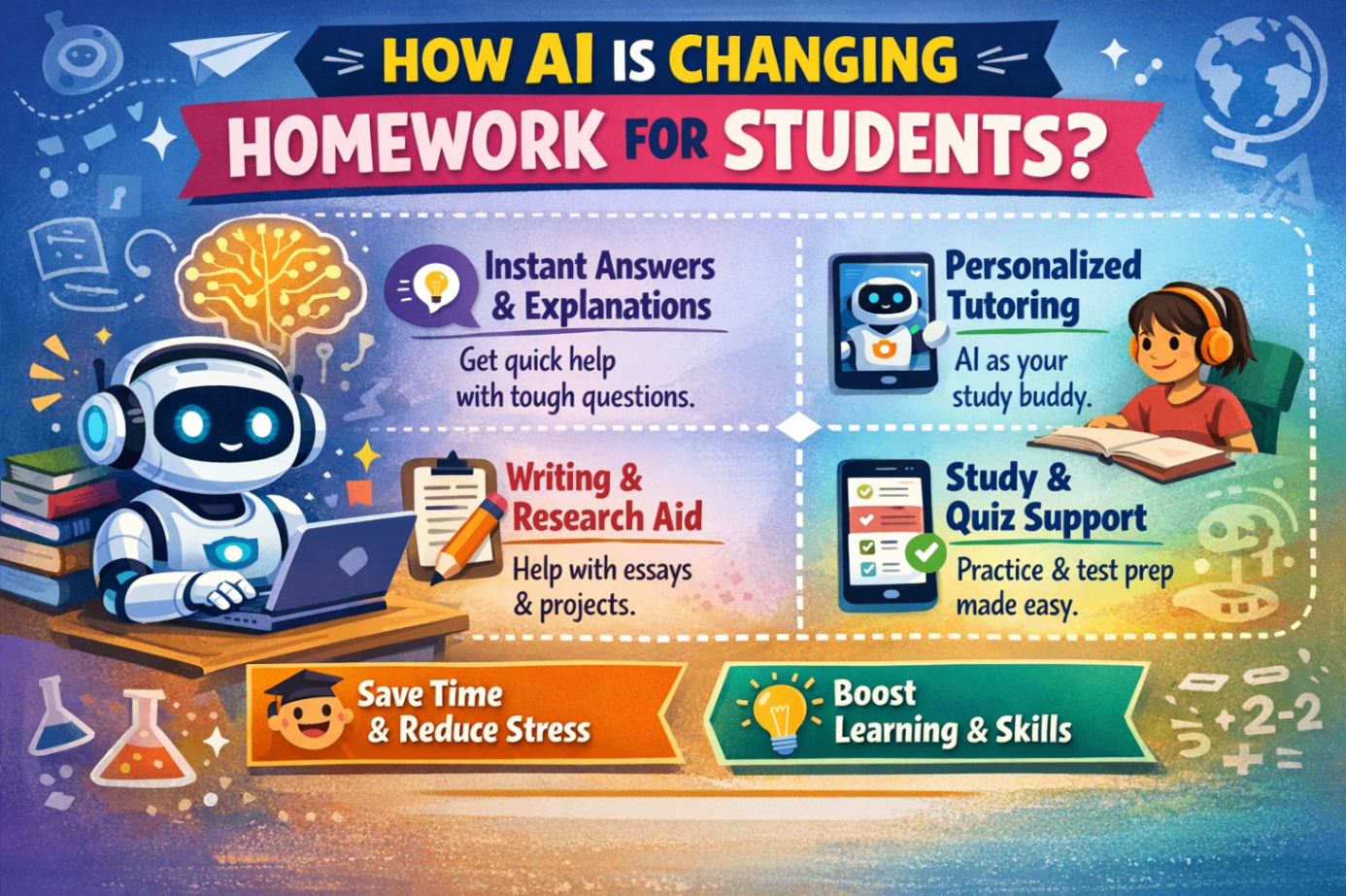
Leverage calendar apps, task managers, and reminder systems to track assignments, deadlines, and study blocks automatically and reliably. Tools like Google Calendar, Todoist, or Trello organize your academic life and send notifications so nothing slips through the cracks unexpectedly. Understanding How AI Is Changing Homework for Students helps you identify which digital tools best support your learning style.
Building Buffer Time
Schedule assignment completion at least one day before actual deadlines to accommodate unexpected challenges or technology issues gracefully. This buffer reduces stress significantly and provides opportunity for final review and improvement before submission. Having a cushion built into your schedule ensures small disruptions do not cascade into missed deadlines or rushed work.
Maintaining Focus in Digital Environments
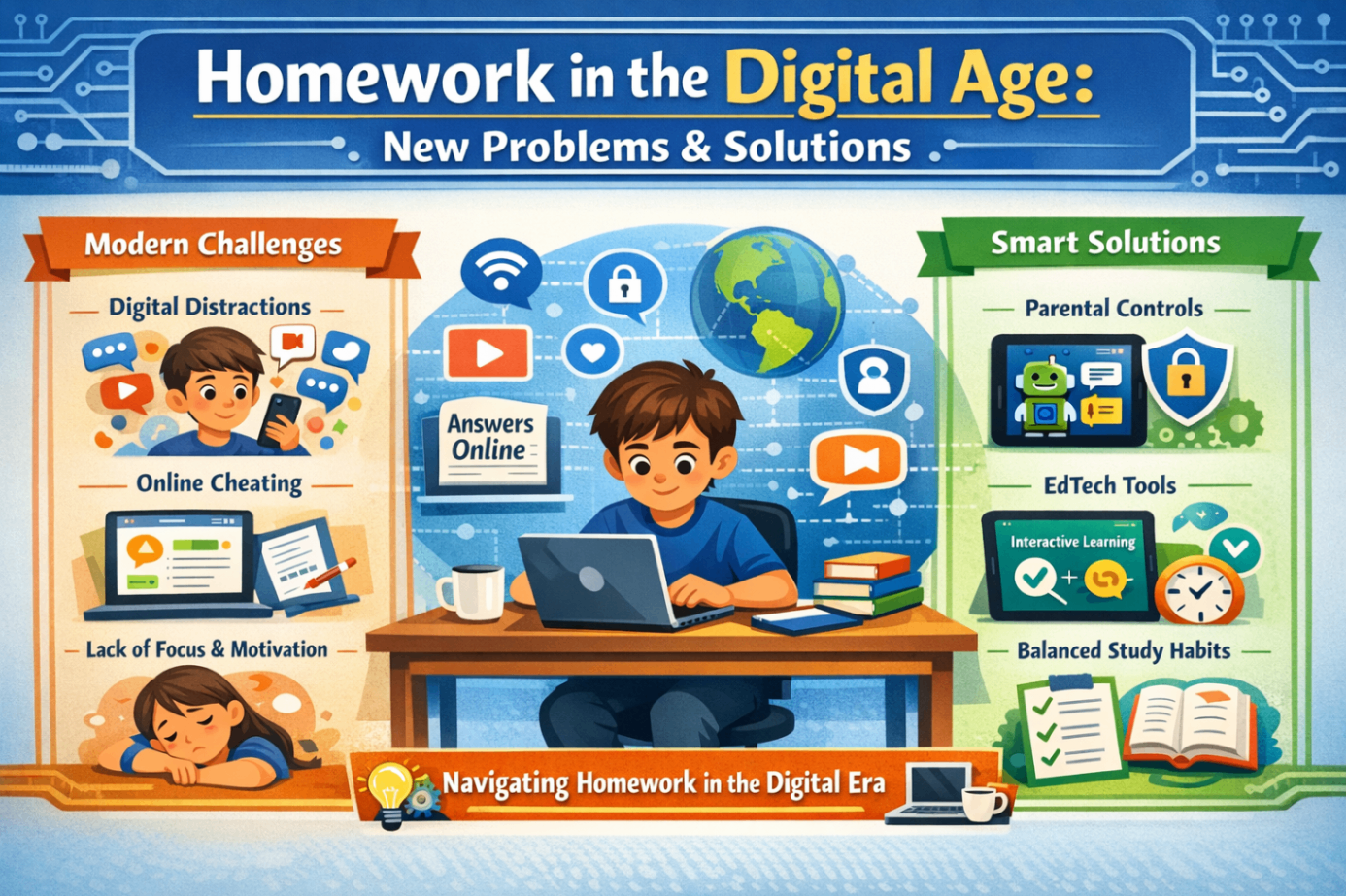
Distractions multiply when studying at home, from social media notifications to household activities competing constantly for attention. Developing strategies to maintain focus despite these challenges is essential for achieving online learning success consistently.
Eliminating Digital Distractions
Turn off notifications on devices during study sessions and consider using apps like Freedom or Forest that block distracting websites. Place your phone in another room or use do-not-disturb mode to prevent the temptation of checking messages constantly throughout your work. Each distraction requires mental energy to recover from, so preventing interruptions preserves focus for actual learning.
Implementing the Pomodoro Technique
Work in focused intervals of twenty-five minutes followed by five-minute breaks to maintain concentration without burning out. This technique provides structure that helps manage attention and creates natural stopping points that make long study sessions manageable. After completing four cycles, take a longer break of fifteen to thirty minutes to recharge before continuing.
Setting Boundaries with Others
Inform family members or roommates about your study schedule so they understand when you need uninterrupted time for coursework. A simple signal like a closed door or wearing headphones can communicate that you are in focus mode without requiring explanation. Clear boundaries prevent the frustrating experience of being interrupted just as you achieve deep concentration on challenging material.
Managing Mental Energy Wisely
Schedule your most challenging tasks during times when your mental energy peaks, which is typically morning for most people. Save routine or easier tasks for periods when concentration naturally dips, such as after lunch or late afternoon hours. Working with your natural energy rhythms rather than against them dramatically improves both productivity and work quality.
Leveraging Technology for Academic Success
Technology offers powerful tools that enhance your homework experience when used strategically and responsibly for learning purposes. Learning to leverage these resources effectively gives you advantages that previous generations of students never had available.
Using AI as a Learning Partner
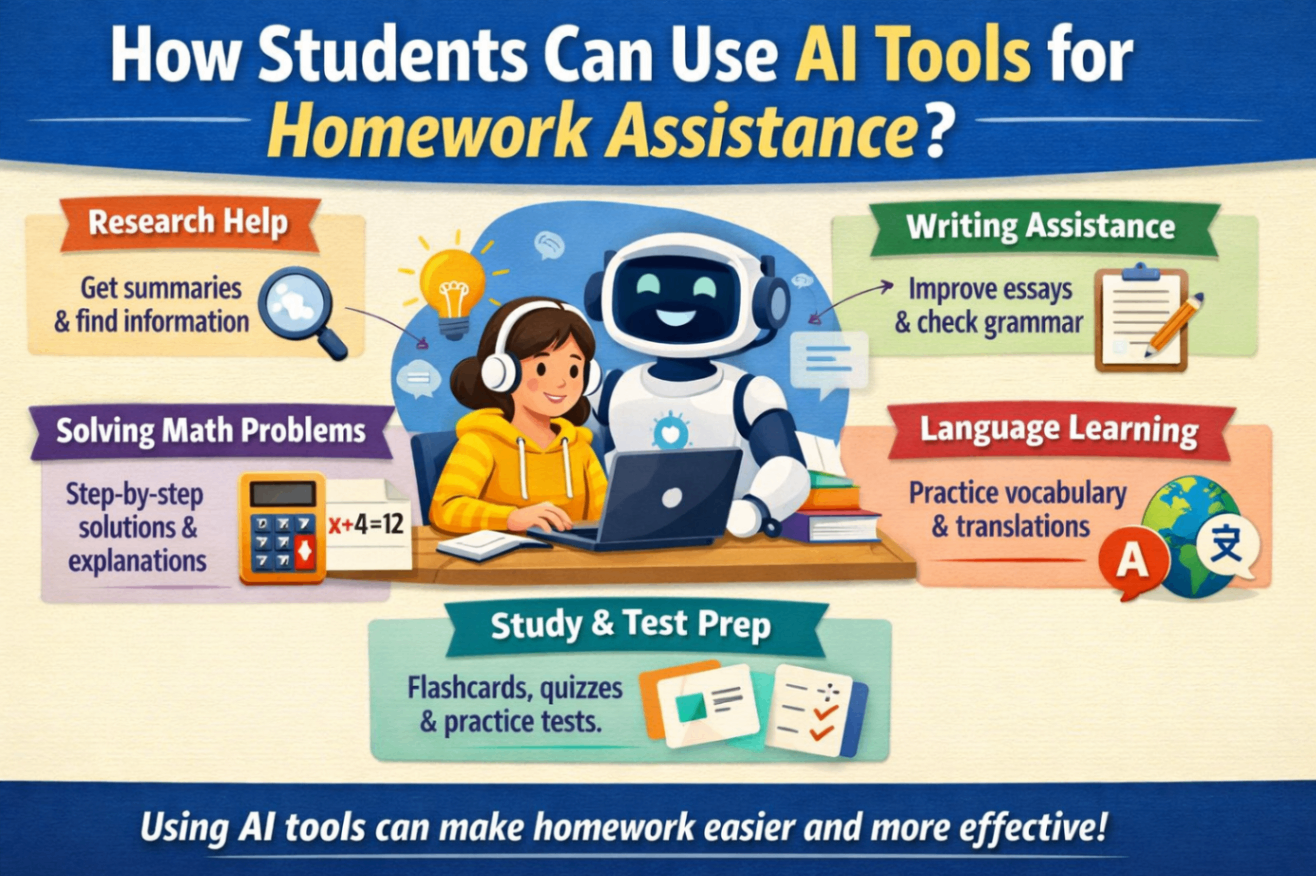
AI tools provide instant explanations, generate practice problems, and offer personalized guidance when you encounter challenging material. An AI Homework Helper explains concepts multiple ways until understanding clicks, functioning like a patient tutor available whenever you need support. The key is using AI to enhance genuine understanding rather than bypassing the learning process entirely.
Organizing Notes Digitally
Apps like OneNote, Evernote, or Notion allow you to organize notes by subject, search across all materials, and access everything from any device. Digital note-taking enables multimedia integration, linking text with images, audio recordings, and web resources for richer reference materials. Proper organization means finding information quickly when completing assignments or reviewing for upcoming exams.
Collaborating with Classmates Online
Utilize virtual study groups, shared documents, and discussion forums to learn from peers and gain different perspectives on material. Platforms like Google Docs enable real-time collaboration on group projects regardless of physical location or time zone differences. These connections also provide social support that makes online learning feel less isolating and more engaging.
Submitting Work Effectively
Master the submission requirements for each platform your courses use to avoid technical issues when turning in completed assignments. Save work frequently and keep backup copies in cloud storage to prevent losing progress due to technical failures. Submit assignments early when possible to allow time for troubleshooting if unexpected problems arise during the submission process.
Prioritizing Wellbeing While Learning Online
Extended screen time and reduced physical activity can impact both physical health and academic performance if not managed consciously. Prioritizing wellbeing supports rather than competes with academic success in digital learning environments.
Taking Strategic Breaks
Incorporate short breaks every hour to stand, stretch, and rest your eyes from screen glare using the twenty-twenty-twenty rule. Every twenty minutes, look at something twenty feet away for twenty seconds to reduce eye strain significantly. These brief pauses actually improve overall productivity by preventing the fatigue that degrades focus over time.
Staying Physically Active
Schedule regular physical activity, whether morning walks, afternoon exercise, or evening stretching routines, to maintain energy and focus. Physical movement improves blood flow to the brain, enhancing cognitive function and making study sessions more productive overall. Even brief activity breaks between study sessions can significantly boost concentration and information retention.
Managing Screen Fatigue
Set boundaries around total daily screen time and incorporate offline activities into your routine for necessary balance. Consider using blue light filtering on devices, especially during evening study sessions, to reduce sleep disruption and eye strain. Recognizing when you have reached your limit and stepping away prevents burnout that undermines long-term academic success.
Practicing Self-Compassion
Online learning presents unique challenges, and struggling sometimes indicates normal adjustment rather than personal failure requiring self-criticism. Celebrate progress rather than demanding perfection, and seek help when needed without feeling inadequate for asking. A positive mindset toward learning supports persistence through difficulties and maintains motivation over the long term.
Conclusion
Digital homework tips for online learning success encompass far more than technical skills, requiring intentional approaches to environment, time management, focus, and personal wellbeing. By creating a dedicated workspace, managing time strategically, eliminating distractions, leveraging helpful technology, and maintaining your health, you position yourself to thrive academically. These habits build upon each other, creating a sustainable approach that makes digital homework manageable rather than overwhelming. Remember that developing these skills takes practice and patience, so start with one or two strategies and gradually incorporate more as habits form. Online learning offers incredible flexibility and opportunity for students who approach it with the right mindset and tools. With consistent application of these tips, you can achieve academic success while enjoying the unique benefits that digital education provides.
Frequently Asked Questions
How do I stay motivated when studying alone at home?
Create a consistent routine including regular study times, scheduled breaks, and reward systems for completing tasks successfully. Connect with classmates through virtual study groups to reduce isolation and maintain accountability for your progress. Set meaningful goals connecting current work to larger aspirations, and track progress visually to see how far you have come. Varying your study location occasionally can also refresh motivation when energy feels low.
What should I do when my internet connection is unreliable?
Have backup plans ready, such as knowing locations with reliable Wi-Fi like libraries or cafes you can access when needed. Download materials and assignments when connected so you can work offline during outages, then sync when connectivity returns. Communicate proactively with teachers about technical challenges so they understand if submissions are delayed due to circumstances beyond your control.
How can I avoid procrastination with online assignments?
Break large assignments into smaller, specific tasks with individual deadlines that feel less overwhelming than facing entire projects. Use the two-minute rule where tasks taking less than two minutes get completed immediately rather than added to growing lists. Start with easier tasks to build momentum before tackling challenging work, and remove distractions before they tempt you away from productivity.
What is the best way to take notes during online classes?
Use note-taking apps allowing easy organization and searching rather than scattered paper notes that become difficult to reference later. Develop a consistent system with headers, bullet points, and highlighting that makes reviewing efficient and effective for retention. Consider recording lectures when permitted so you can review difficult sections, and summarize key points immediately after class.
How do I balance screen time for school with personal screen time?
Track total screen time to understand current usage patterns and identify areas where reduction is possible and beneficial. Prioritize academic screen time and set specific limits on entertainment and social media using app timers that enforce boundaries. Schedule regular screen-free activities like physical exercise, reading physical books, or outdoor time to provide necessary balance for your wellbeing.