Students and parents often encounter confusing acronyms when navigating the educational testing landscape, and two tests frequently mixed up are the SAT and SSAT. Despite their similar names, these examinations serve entirely different purposes and target different student populations at distinct stages of their academic journeys. Understanding the difference between SAT and SSAT is essential for making informed decisions about your educational path. Whether you are a high school student preparing for college admissions or a parent researching private school options for your younger child, knowing what is the difference between SAT and SSAT helps you focus your preparation efforts correctly. This comprehensive guide breaks down every aspect of both tests, from their fundamental purposes to their scoring systems and preparation strategies.
Understanding the Basic Purpose of Each Test
Both the SAT and SSAT serve as standardized admission tests, but they open doors to completely different types of educational institutions. Knowing which test applies to your situation prevents wasted time and ensures you prepare for the right examination.
What Is the SAT and Who Takes It?
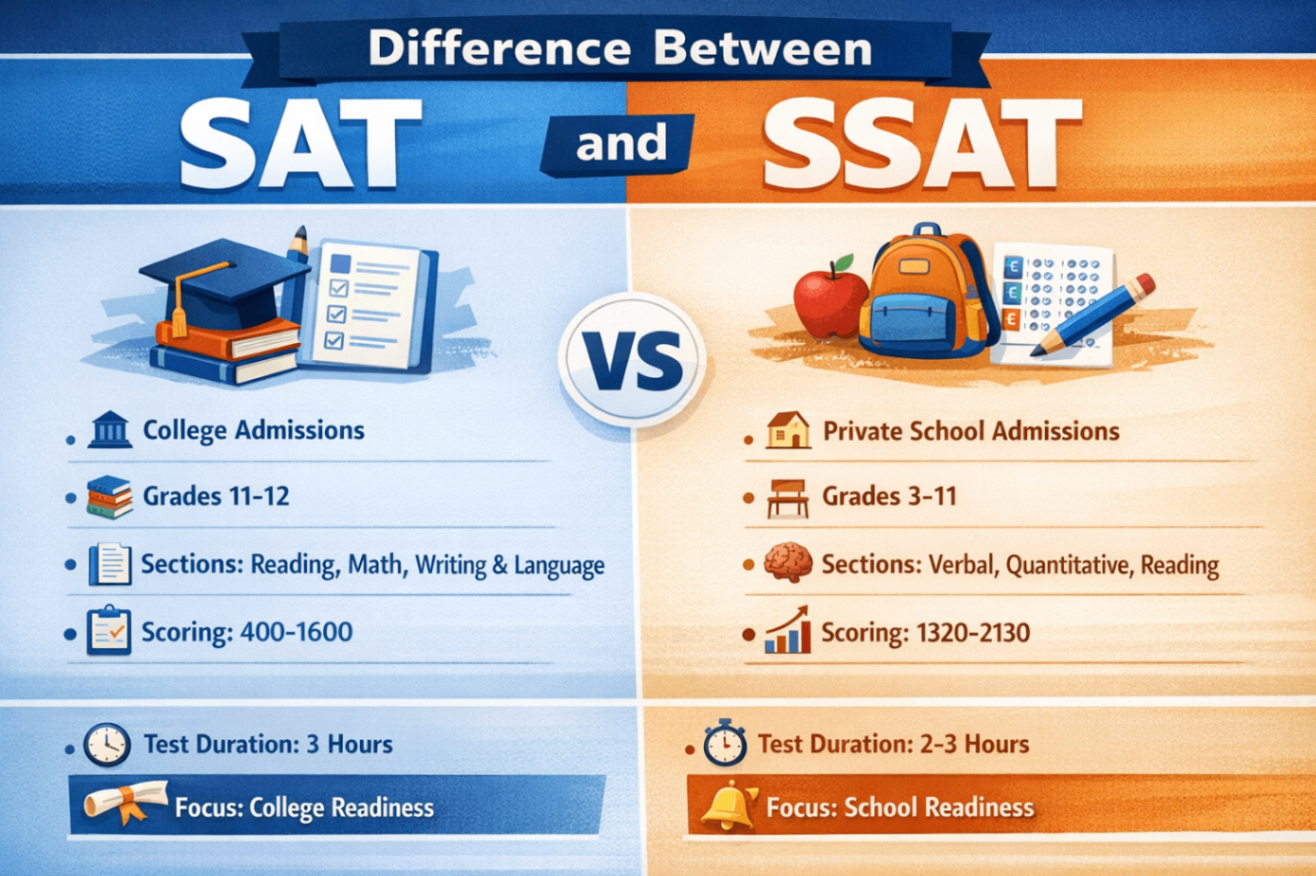
The SAT is a standardized admission test administered by the College Board and widely accepted by colleges and universities across the United States and internationally. High school students, typically in 11th and 12th grade, take this examination as part of their undergraduate college application process. The test measures readiness for college-level work by assessing reading, writing, and math skills.
What Is the SSAT and Who Takes It?
The SSAT, or Secondary School Admission Test, is a standardized examination for students seeking admission to private elementary, middle, and high schools. The Enrollment Management Association administers this test, offering three levels: Elementary for grades 3-4, Middle for grades 5-7, and Upper for grades 8-11. SSAT scores are not part of college applications and serve exclusively for private school admissions.
Key Distinction in Educational Pathways
The fundamental difference between SSAT and SAT lies in their role within a student's educational trajectory. The SSAT helps younger students gain admission to private K-12 schools, while the SAT helps older students transition from high school to higher education. A student might take the SSAT to enter a prestigious private high school and later take the SAT to apply for college admission from that same school.
Test Format and Structure Comparison
Understanding the structural differences between these examinations helps students and parents appreciate what each test demands. The format variations reflect the different age groups and educational purposes each assessment serves.
SAT Format and Duration
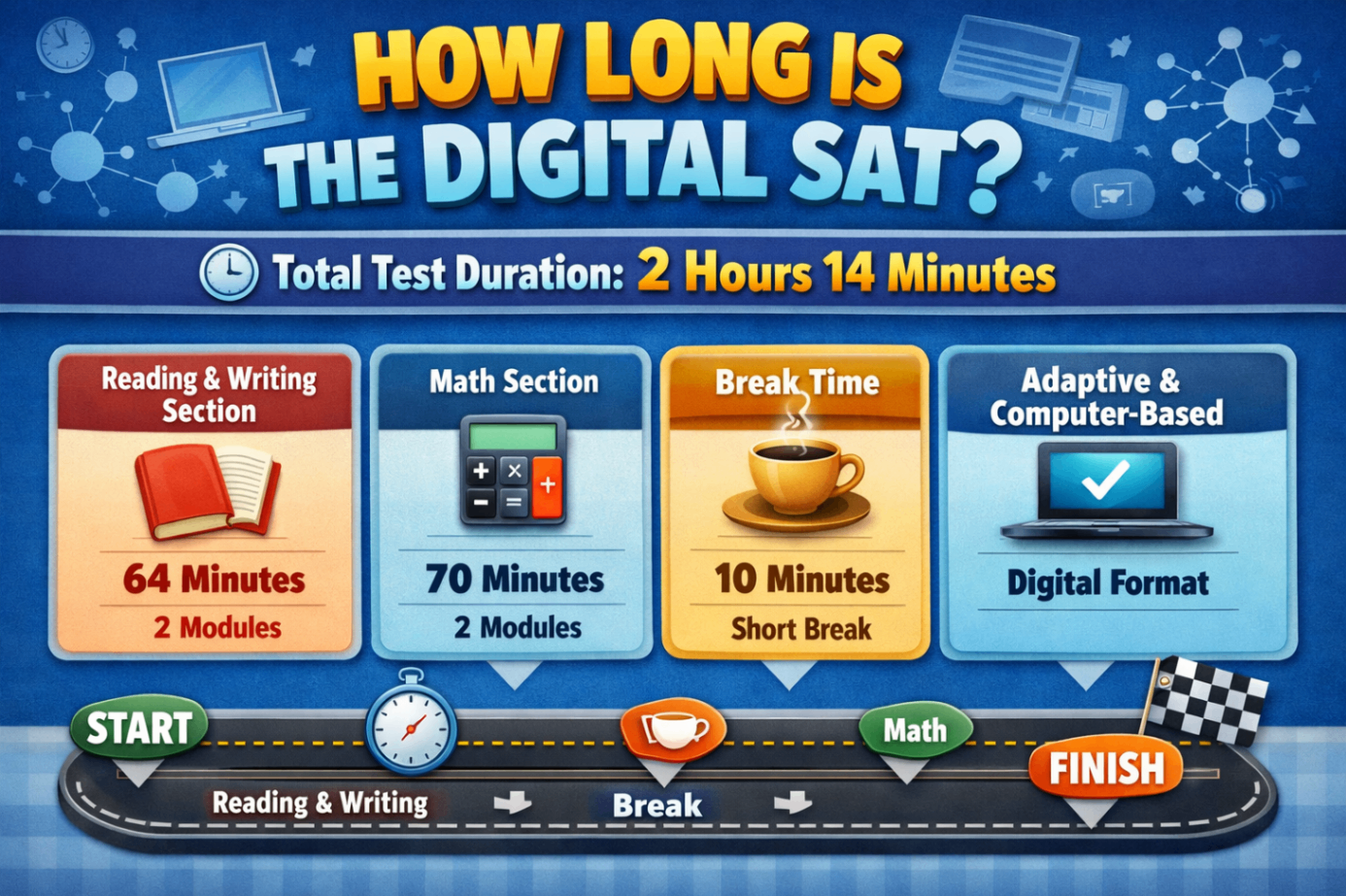
The digital SAT consists of two main sections: Reading and Writing combined, and Math. Students complete the entire examination in approximately 2 hours and 14 minutes, answering 98 total questions. The adaptive testing format adjusts question difficulty based on performance. Students may use an approved calculator on the entire Math section.
SSAT Format and Duration
The SSAT varies significantly depending on which level a student takes. The Elementary SSAT runs approximately 2 hours and 5 minutes with about 105 questions, while the Middle and Upper SSAT each take 3 hours and 10 minutes with 167 questions. All levels include Math, Verbal, Reading sections, plus an unscored writing sample. Calculators are not permitted.
Section-by-Section Breakdown Differences
The SAT focuses on two integrated sections, combining reading and writing skills into one assessment area. The SSAT separates verbal skills from reading comprehension and divides math across two distinct testing periods. The SSAT also includes an experimental section with unscored questions used to validate future test items.
Content and Skills Assessed
What is the difference between SAT and SSAT when it comes to actual test content? Both examinations assess foundational academic skills but calibrate difficulty and content focus according to their target student populations.
SAT Content Areas Explained
The SAT Reading and Writing section tests comprehension of complex passages, analysis of arguments, and command of standard English conventions. The Math section covers algebra, problem-solving, data analysis, and advanced math concepts including some trigonometry. Questions assume knowledge appropriate for students completing high school coursework.
SSAT Content Areas Explained
The SSAT tests math computation, vocabulary, verbal reasoning through analogies, and reading comprehension appropriate to each grade level. Elementary students face basic arithmetic and reading skills, while Upper level students encounter advanced algebraic concepts and sophisticated passages. The verbal section heavily emphasizes vocabulary and word relationships.
Difficulty Calibration by Age Group
The SAT presents uniform difficulty aimed at college-bound juniors and seniors regardless of their background. The SSAT calibrates content difficulty across three distinct levels to match developmental stages from elementary through high school. This means an 8th grader taking the Upper SSAT encounters different questions than a 5th grader taking the Middle SSAT, whereas all SAT test-takers face equivalent challenges.
Scoring Systems and Interpretation
The difference between SAT and SSAT extends significantly into how scores are calculated, reported, and interpreted by receiving institutions. Understanding scoring helps students set realistic goals and interpret their results accurately.
How SAT Scoring Works
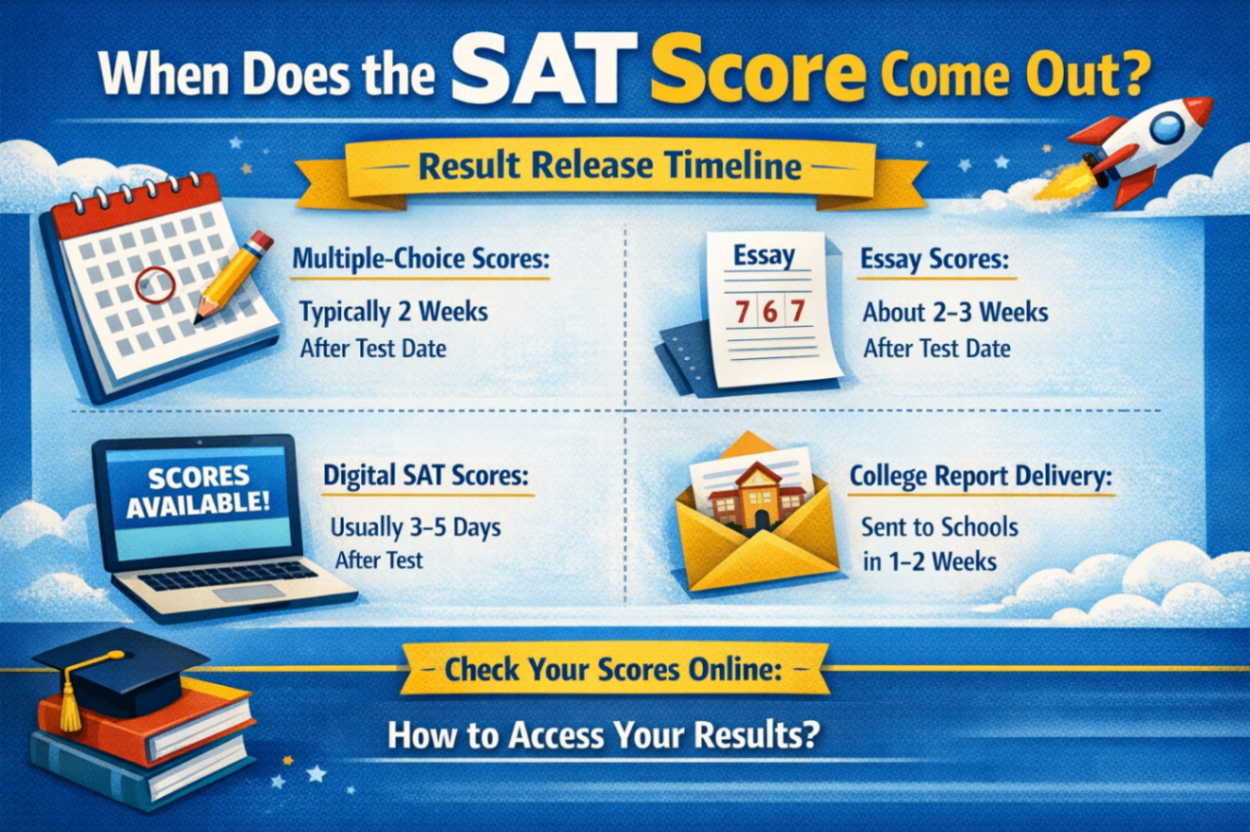
The SAT uses a scoring scale ranging from 400 to 1600, combining section scores from Reading/Writing (200-800) and Math (200-800). Students receive percentile rankings comparing their performance nationally. Colleges consider these scores alongside GPA and essays. Learn more about when does the sat score come out to plan your timeline.
How SSAT Scoring Works
The SSAT scoring varies by level. Elementary scores range from 900-1800 total with section scores of 300-600. Middle level scores range from 1320-2130 with sections at 440-710. Upper level scores range from 1500-2400 with sections at 500-800. Each level provides percentile rankings comparing students to others in the same grade.
Score Usage and Validity Periods
SAT scores remain valid for college applications typically for five years, though policies vary by institution. SSAT scores are generally used within the admission cycle they were obtained, as private schools want current assessments of younger students. Neither test's scores convert to the other.
Administration and Registration
Practical differences in how students register for and take these examinations impact planning and preparation timelines. Both organizations offer multiple testing opportunities throughout the year.
SAT Testing Options and Locations
The College Board administers the SAT on specific Saturday dates throughout the school year at designated test centers, plus some school day administrations. Students register online through the College Board website. The digital format means students take the test on approved devices. Standard SAT registration costs approximately $60.
SSAT Testing Options and Locations
The SSAT offers varied testing options including standard paper tests, flex tests through schools, SSAT at Home for U.S. and Canadian students, and Prometric test center computer-based testing. Costs range from $112 for Elementary paper tests to $329 for international testing. Middle and Upper students can take up to six standard tests per year.
Accommodations and Special Circumstances
Both testing organizations provide accommodations for students with documented disabilities, though application processes differ. Students requiring extended time, separate testing rooms, or other modifications should apply well in advance of their intended test dates through the respective organization.
Preparation Strategies for Each Test
Effective preparation looks different for these examinations given their distinct formats, content areas, and target audiences. Tailoring your study approach to the specific test yields better results.
Preparing for the SAT Effectively
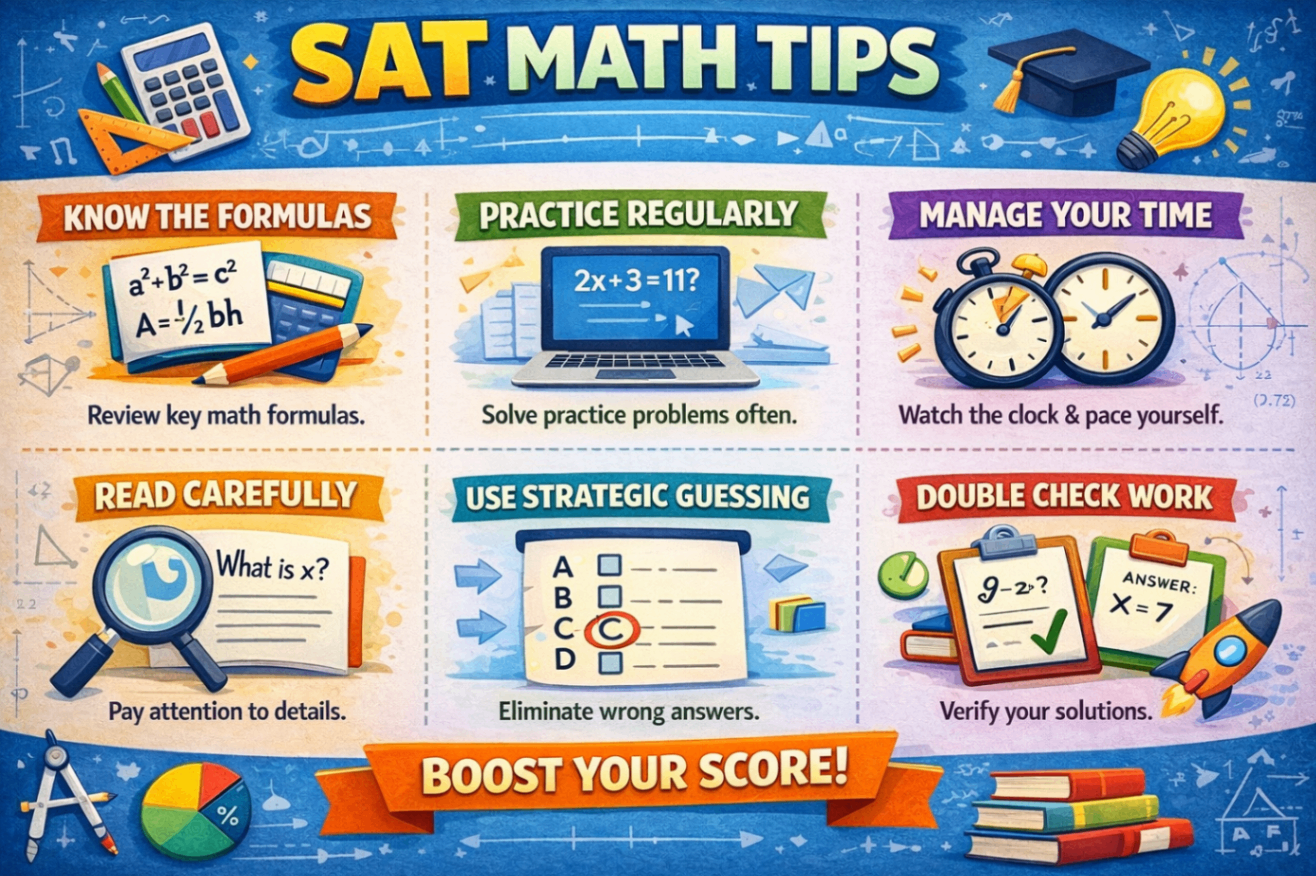
SAT preparation should focus on developing critical reading skills, strengthening grammar knowledge, and mastering algebraic problem-solving. Practice with official College Board materials helps students become familiar with question formats. Using tools like a Sat Solver can help identify weak areas and provide targeted practice.
Preparing for the SSAT Effectively
SSAT preparation emphasizes vocabulary building, which plays a larger role than on the SAT through synonym and analogy questions. Students should practice reading comprehension with age-appropriate passages and develop mental math skills since calculators are prohibited. Official SSAT practice tests help younger students become comfortable with testing.
Age-Appropriate Study Approaches
SAT students typically manage their own study schedules, dedicating several months to preparation. SSAT preparation for younger students requires more parental involvement and should incorporate engaging learning activities. Both tests benefit from consistent practice over cramming.
Choosing the Right Test for Your Needs
Making the correct choice between these examinations depends entirely on your educational goals and current academic stage. There is no competition between them since they serve non-overlapping purposes.
When to Take the SSAT
Students take the SSAT when applying to private elementary, middle, or high schools that require standardized test scores. Many selective independent schools use SSAT scores alongside grades and interviews. If your family is considering private school education for grades 4 through 12, the SSAT is relevant.
When to Take the SAT
Students take the SAT when applying to undergraduate college programs that require or recommend standardized test scores. Most students first take the SAT in spring of junior year, allowing time for retakes before senior year deadlines. Even test-optional colleges often consider strong SAT scores favorably.
Understanding Test-Optional Policies
Many colleges have adopted test-optional admission policies, giving students choice about submitting SAT scores. Private schools vary in their SSAT requirements. Research specific institutions on your list to understand their current testing policies before investing preparation time.
Conclusion
The difference between SAT and SSAT fundamentally comes down to purpose and timing within a student's educational journey. The SSAT serves younger students seeking admission to private K-12 schools, while the SAT helps high school students demonstrate readiness for college academics. Understanding what is the difference between SAT and SSAT prevents confusion and ensures families invest preparation time in the right examination. Both tests assess academic readiness through standardized formats, but their content, scoring, and administration reflect their distinct target audiences. Whether preparing your elementary student for private school or your teenager for college applications, knowing which test applies to your situation is the essential first step. With proper understanding and targeted preparation, students can approach either examination with confidence and achieve scores that support their educational goals.
Frequently Asked Questions
What is the main difference between SAT and SSAT?
The primary difference between SAT and SSAT is their purpose and target audience. The SAT is a college admission test taken by high school juniors and seniors applying to undergraduate programs. The SSAT is a private school admission test for students in grades 3-11 applying to private elementary, middle, and high schools. Different organizations administer each test, and scores cannot be converted between them.
Can SSAT scores help predict future SAT performance?
Limited research suggests some correlation between SSAT scores and later SAT performance, but not strong enough for reliable predictions. Students who develop test-taking skills through SSAT preparation may find the SAT somewhat familiar. However, the tests assess different content at different difficulty levels, so SSAT success does not guarantee SAT success without dedicated preparation.
Which test is harder, the SAT or the SSAT?
Direct difficulty comparison is impossible because each test is calibrated for its target age group. The SAT is appropriately challenging for college-bound high schoolers, while SSAT levels match expectations for their respective grade ranges. A test feels difficult when content exceeds a student's abilities, which depends on preparation rather than inherent test difficulty.
Do I need to take both the SAT and SSAT?
Whether you need both tests depends on your educational path. Students applying to private high schools take the SSAT, then later take the SAT for college admission. The tests serve different admission processes at different life stages. Most students take one or the other based on current needs.
How much do the SAT and SSAT cost to take?
The SAT costs approximately $60 for standard registration through the College Board. SSAT costs vary by level and format, ranging from $112 for Elementary paper tests to $329 for international testing. Both organizations offer fee waivers for students demonstrating financial need.