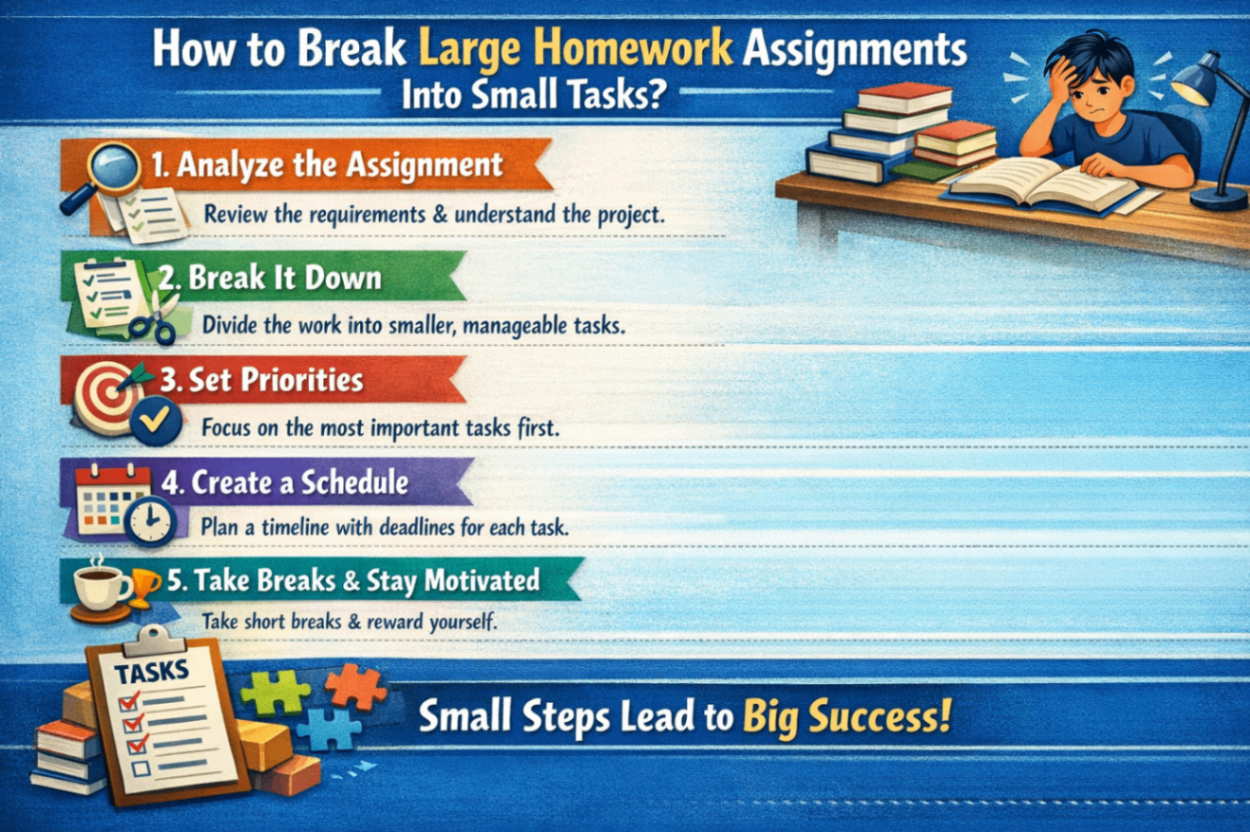
Staring at a massive assignment and feeling completely overwhelmed is an experience nearly every student knows all too well. That research paper, term project, or comprehensive exam preparation can seem so enormous that getting started feels impossible. Learning how to break large homework assignments into small tasks transforms this paralyzing experience into a manageable, even enjoyable process that produces better results with less stress. The secret successful students have discovered is that no assignment is truly massive when viewed as a collection of smaller, achievable steps. By dividing overwhelming projects into bite-sized pieces, you reduce mental strain, maintain focus, and build momentum through visible progress. This guide walks you through proven strategies for breaking down any assignment, helping you work smarter rather than harder while protecting your wellbeing along the way.
Why Breaking Down Assignments Works
Understanding the psychology behind task breakdown helps you appreciate why this approach transforms academic performance. When you grasp how your brain processes large versus small tasks, implementing these strategies becomes second nature.
Reducing Cognitive Load on Your Brain
Your brain has limited working memory capacity, and large assignments overwhelm this system by demanding attention to too many elements simultaneously. Breaking tasks into smaller pieces allows you to focus entirely on one manageable step without worrying about everything else. Students who divide complex assignments into sequential steps retain information more effectively and produce higher quality work.
Eliminating the Paralysis of Overwhelm
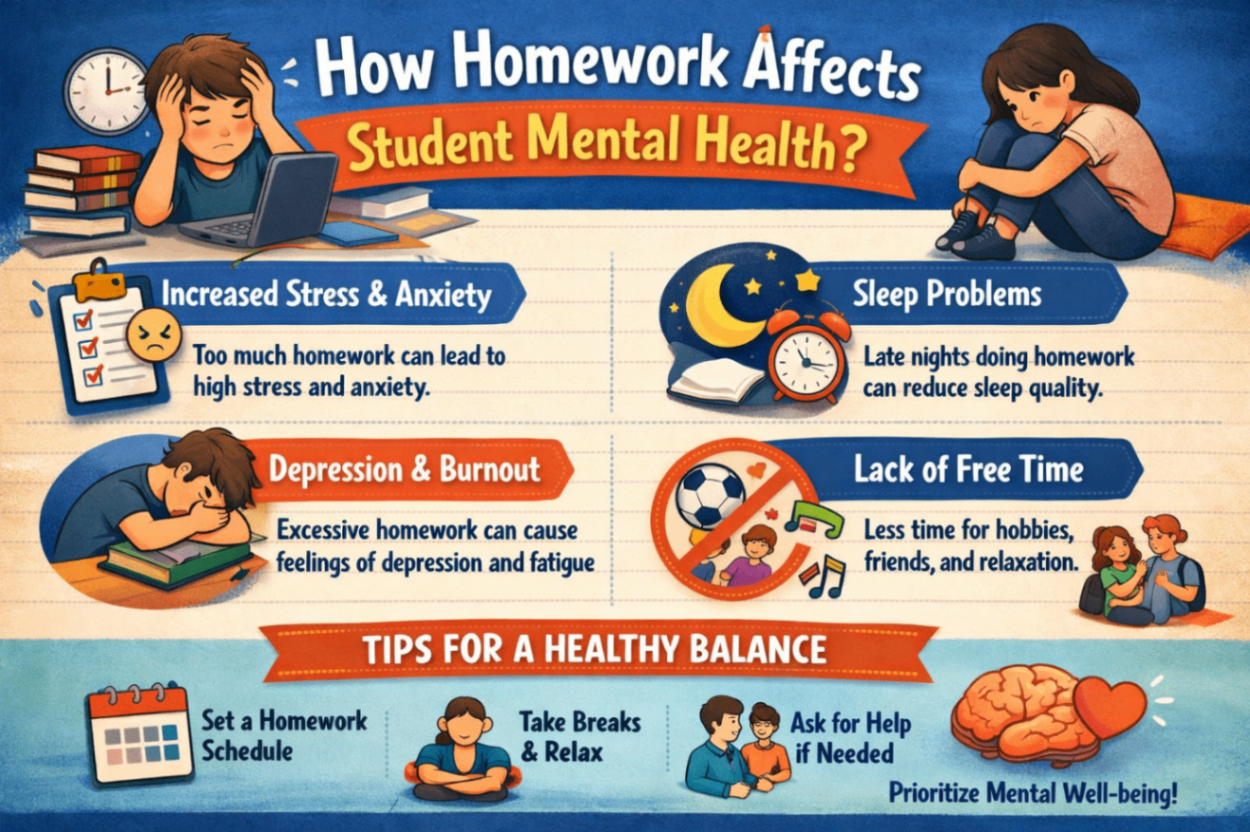
Large assignments trigger anxiety responses that make starting feel impossible, leading to procrastination cycles that worsen stress over time. When you face a single small task instead of an enormous project, the psychological barrier to beginning virtually disappears. This is why understanding How Homework Affects Student Mental Health matters so much, as task breakdown directly addresses the anxiety and stress that excessive workloads create.
Building Momentum Through Small Wins
Each completed small task provides a dopamine boost that motivates continued effort and builds confidence in your ability to finish the entire project. This psychological momentum makes subsequent tasks feel easier and more approachable. Students who celebrate small completions throughout a project report higher satisfaction and greater willingness to tackle future challenging assignments.
Improving Overall Work Quality
Rushing through an entire assignment in one sitting produces lower quality results than working methodically through smaller components over time. Breaking down tasks allows for deeper thinking, better research, and more thorough editing because you are not mentally exhausted. Time between work sessions also allows ideas to develop subconsciously, often leading to creative insights you would miss during marathon sessions.
Step-by-Step Process for Task Breakdown
Transforming any large assignment into manageable pieces follows a systematic process that becomes intuitive with practice. These steps work for essays, research projects, presentations, and virtually any academic task you encounter.
Identify All Components of the Assignment
Begin by carefully reading assignment instructions and listing every deliverable and requirement the project demands. For an essay, this might include topic selection, research, outline creation, drafting each section, revision, and final formatting. Write down absolutely everything, even small steps like gathering materials, because comprehensive lists prevent forgotten tasks from derailing your timeline.
Break Each Component Into Single Actions
Take each item from your initial list and subdivide it into tasks you can complete in fifteen minutes or less of focused work. Instead of listing research as one task, break it into finding three sources, reading and noting source one, reading source two, and so forth. The goal is creating tasks so small they feel almost trivial because that simplicity eliminates the mental resistance causing procrastination.
Estimate Time Requirements Realistically
Assign a specific time estimate to each small task, being honest about how long things actually take rather than how long you wish they took. Add buffer time for unexpected complications because life inevitably interrupts even well-planned schedules. Students who pad estimates with extra time consistently meet deadlines more comfortably than those who plan optimistically.
Sequence Tasks in Logical Order
Arrange your task list in the order tasks should be completed, noting any dependencies where one task must finish before another can begin. Some tasks can happen in any order, giving you flexibility to match your energy levels to task demands on different days. Creating this sequence reveals the clear path from starting point to finished assignment, making the entire project feel navigable.
Creating Your Assignment Timeline
Time management transforms your task list into an actionable schedule that ensures steady progress toward completion. Strategic scheduling prevents the last-minute panic that produces poor work and unnecessary stress.
Working Backward from the Deadline
Start with your submission deadline and work backward to determine when each phase must complete for comfortable finishing. Schedule your final review at least one day before the actual deadline, giving yourself a buffer for unexpected problems. This backward planning approach ensures you allocate sufficient time for each stage rather than discovering too late that you underestimated requirements.
Distributing Tasks Across Available Days
Spread your small tasks across the days between now and your deadline, assigning realistic daily workloads that account for your other commitments. Avoid scheduling all difficult tasks for the same day, instead mixing challenging and easier items to maintain sustainable energy. Planning thirty minutes of assignment work daily produces dramatically better results than planning five hours the night before.
Building in Flexibility and Buffer Time
Life happens, and rigid schedules crumble when unexpected events arise, so build flexibility into your timeline from the beginning. Schedule completion of each major phase one or two days before you actually need it finished, creating a cushion that absorbs disruptions. This buffer also allows you to take advantage of productive days without falling behind on slower days.
Adjusting Plans as You Progress
Treat your timeline as a living document that evolves based on actual progress rather than a rigid contract that cannot change. If certain tasks take longer than expected, redistribute remaining work rather than abandoning your plan entirely. Regular check-ins with your schedule help you identify problems early when solutions remain available.
Practical Strategies for Different Assignment Types
Different assignments benefit from tailored breakdown approaches that address their unique challenges and requirements. Adapting your strategy to the assignment type maximizes efficiency and reduces frustration.
Breaking Down Research Papers Effectively
Research papers divide naturally into distinct phases including topic exploration, source gathering, reading and note-taking, outlining, drafting sections, and revision cycles. Treat each body paragraph as its own mini-project with research, drafting, and editing components. Using an AI Homework Helper can accelerate the research phase by helping you understand complex sources and identify key arguments worth exploring further.
Managing Long-Term Projects Successfully
Term projects spanning weeks or months require milestone planning that creates intermediate deadlines within the larger timeline. Break the project into weekly goals, then break weekly goals into daily tasks, creating a nested structure that maintains progress visibility. Schedule regular self-check-ins where you assess progress and adjust plans, preventing drift that causes projects to become last-minute emergencies.
Tackling Exam Preparation Systematically
Studying for comprehensive exams benefits from dividing material into discrete topics, then creating study tasks for each including reading, note-making, practice problems, and self-testing. Spread topics across available study days rather than attempting to cover everything in marathon sessions that impair retention. Distributed practice dramatically improves long-term memory compared to cramming.
Handling Group Projects Strategically
Group assignments require individual task breakdown plus coordination with teammates about who completes what and when. Create your personal task list from assigned responsibilities, applying the same breakdown principles as individual work. Build extra buffer time into group schedules because coordinating multiple people inevitably creates delays.
Tools and Techniques for Staying on Track
Effective task management requires tools and habits that support consistent execution of your carefully created plans. The right systems make following through on your breakdown strategy natural and sustainable.
Choosing Your Task Management System
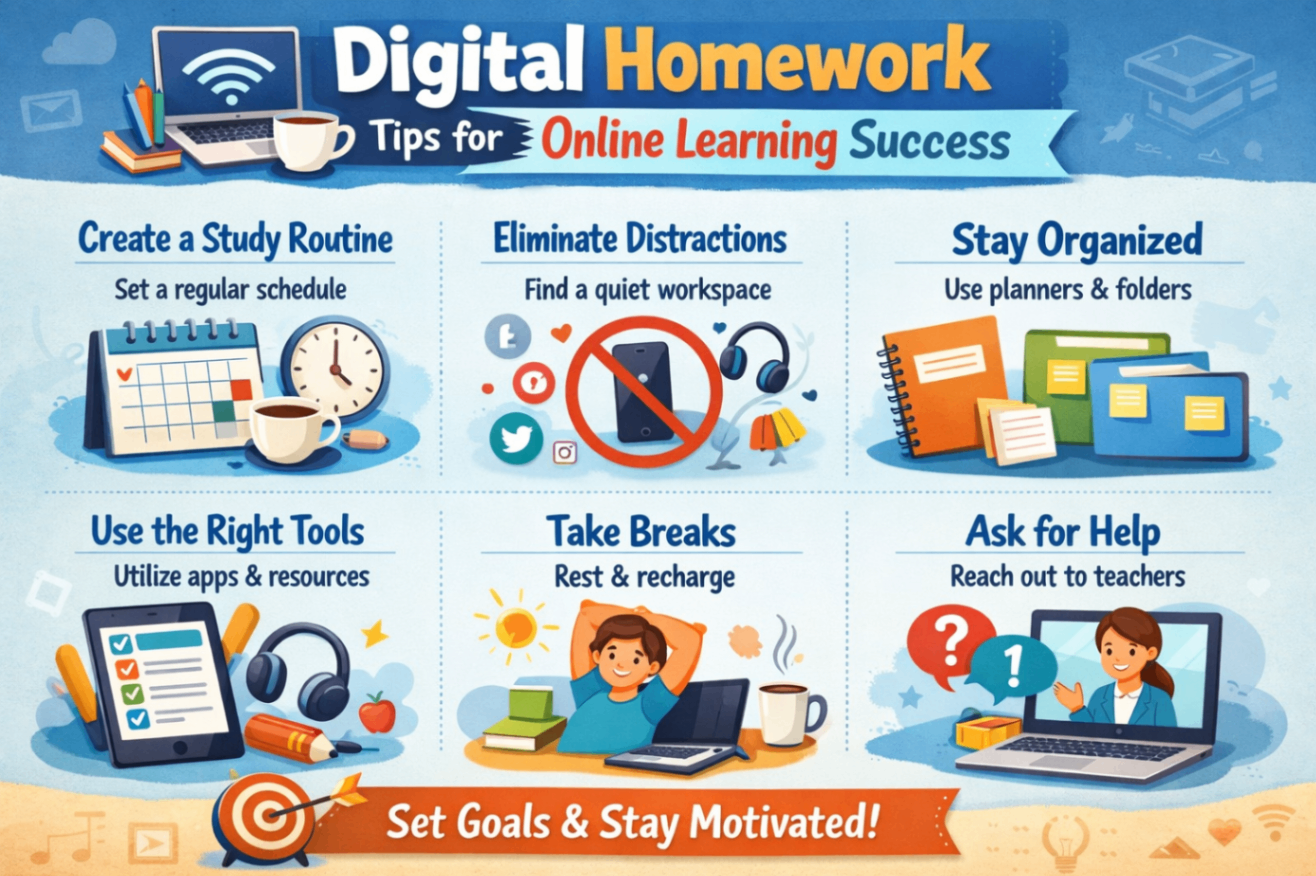
Select a system for tracking tasks that matches your preferences, whether digital apps, paper planners, or simple notebook lists. The best system is one you will actually use consistently, so prioritize simplicity and accessibility over features. Many students find that physically crossing off completed tasks provides satisfying motivation that digital checkboxes cannot match.
Using Timers for Focused Work Sessions
Set timers for your estimated task durations to maintain focus and prevent perfectionism from extending simple tasks indefinitely. The Pomodoro Technique, working in twenty-five minute focused bursts with five minute breaks, helps many students maintain concentration. Timers also provide natural stopping points that make stepping away from work easier.
Celebrating Progress Along the Way
Acknowledge completed tasks with small rewards that reinforce the positive feelings associated with making progress. These celebrations need not be elaborate—perhaps a brief break, a snack, or marking progress visually on a tracker. Building positive associations with task completion creates motivation that sustains effort across long projects.
Reviewing and Refining Your Approach
After completing assignments, reflect on what worked well and what could improve in your breakdown and scheduling approach. Notice which time estimates were accurate and which consistently missed, adjusting future planning accordingly. This continuous improvement transforms task breakdown from a technique into a personalized system.
Conclusion
Mastering how to break large homework assignments into small tasks fundamentally changes your academic experience from stressful survival to confident achievement. The strategies outlined here transform overwhelming projects into clear sequences of manageable steps, each one bringing you closer to completion without the anxiety and panic that traditionally accompany big assignments. By reducing cognitive load, building momentum through small wins, and creating realistic timelines, you position yourself for consistent success. The investment in learning these breakdown techniques pays dividends throughout your academic career and beyond into professional life. Start applying these strategies to your next assignment, beginning with a comprehensive task list and working through the scheduling process. With practice, breaking down large assignments becomes automatic.
Frequently Asked Questions
How small should I make each task when breaking down assignments?
Aim for tasks that take fifteen minutes or less of focused work to complete. Tasks this size feel approachable rather than intimidating, making it easy to start without procrastination. If a task seems like it will take longer, look for natural division points that create smaller components. Some students find even five or ten minute tasks work better for challenging material.
What if I underestimate how long tasks will take?
Underestimating is common, especially when you first start breaking down assignments systematically. When tasks take longer than planned, adjust your remaining schedule rather than abandoning your plan. Over time, track actual completion times against estimates to calibrate future planning. Building buffer time into your original schedule provides cushion for these inevitable miscalculations.
Should I complete tasks in order or skip around?
Both approaches can work depending on your energy and assignment requirements. Sequential completion works well when tasks build on each other, like research before writing. However, flexibility to tackle easier tasks when energy is low and harder tasks when you feel sharp can optimize productivity. Just ensure dependencies are respected so you do not write sections before completing necessary research.
How do I stay motivated when working on long-term projects?
Break long projects into weekly milestones that provide regular completion satisfaction rather than waiting weeks for any sense of progress. Celebrate reaching each milestone with small rewards that reinforce positive feelings about the project. Visual progress trackers showing completed versus remaining tasks help maintain motivation by making advancement tangible.
Can this approach work for group projects too?
Absolutely, though group projects require additional coordination steps beyond individual task breakdown. Create your personal task list from assigned responsibilities, then share timelines with teammates to ensure coordination. Build extra buffers into group schedules because multiple people mean multiple potential delays. Regular check-ins with teammates help identify problems before they cascade into missed deadlines.