Table of contents
- Understanding What Makes Homework Beneficial
- Why Is Homework Beneficial for Students Across Grade Levels
- Is Homework Beneficial for Elementary Students
- Why Homework Is Beneficial for High School Students
- How Is Homework Beneficial Beyond Academic Performance
- Is Homework Beneficial Pros and Cons: A Balanced Perspective
- Reasons Why Homework Is Beneficial When Designed Thoughtfully
- Maximizing Homework's Benefits: Strategies for Students
- Addressing Homework Equity and Access Issues
- Conclusion
The debate about homework's value has persisted for decades, with students, parents, and educators holding varying perspectives. While completing assignments after school might feel tedious, research reveals that homework serves critical functions in academic success when designed and implemented thoughtfully. Understanding why homework is beneficial helps students approach their assignments with purpose rather than resentment, ultimately leading to better grades and deeper learning. Many students view homework as busywork disconnected from genuine learning. However, purposeful, well-designed assignments can extend classroom lessons while helping students manage their own learning. The key lies not in eliminating homework entirely but in understanding its proper role and ensuring assignments contribute meaningfully to educational goals. This comprehensive guide explores the research-backed benefits of homework while acknowledging legitimate concerns about excessive or poorly designed assignments.
Understanding What Makes Homework Beneficial
Before examining specific benefits, it's essential to recognize that not all homework produces equal results. The question "is homework beneficial" doesn't have a simple yes or no answer—effectiveness depends on multiple factors including student age, assignment quality, homework quantity, and implementation approach. Research shows homework does have a positive effect on student achievement, but this relationship strengthens as students progress through grade levels. Elementary students experience different benefits than high school students, requiring age-appropriate approaches to homework design and expectations. The most effective homework reinforces classroom concepts, provides practice opportunities, or prepares students for upcoming lessons. Assignments that merely keep students busy without clear learning objectives waste time and create frustration. Understanding this distinction helps students and parents evaluate whether specific assignments deserve their effort and how to approach them strategically. Quality matters significantly more than quantity. A focused 30-minute assignment that targets specific skills produces better outcomes than hours of repetitive busywork. This principle applies across all grade levels and subjects, from elementary math worksheets to high school research projects.
Why Is Homework Beneficial for Students Across Grade Levels
The benefits of homework extend beyond simply practicing skills learned in class. Certain nonacademic benefits of homework have been shown, especially for younger students, including learning the importance of responsibility, managing time, developing study habits, and staying with a task until it is completed.
Academic Achievement and Skill Reinforcement
Homework creates opportunities for practice that classroom time alone cannot provide. When students work through problems independently, they solidify understanding and identify areas where confusion persists. Practice assignments do improve scores on class tests at all grade levels, demonstrating homework's direct connection to measurable academic outcomes. The relationship between homework and grades strengthens considerably in higher grades. The positive correlation is much stronger for secondary students in grades 7 through 12 than those in elementary school. This pattern makes sense—older students possess better study habits, self-regulation skills, and ability to work independently, allowing them to extract maximum benefit from homework assignments.
Memory Consolidation Through Spaced Practice
Neuroscience research reveals how homework supports long-term retention. Spacing out study sessions over time strengthens memory recall, and when students revisit and review material over time, it strengthens the connections in their brains associated with that knowledge. This spaced repetition effect explains why homework spread across multiple days produces better results than cramming all practice into single sessions. Each time students retrieve information to complete homework, they reinforce neural pathways associated with that knowledge. This biological process transforms short-term classroom learning into durable long-term memory. Without regular homework reinforcement, much classroom instruction fades quickly from student memory.
Development of Self-Regulation and Executive Function
Beyond academic content, homework builds essential metacognitive skills. Students learn to plan their time, organize materials, resist distractions, and persist through challenges—all components of executive function that predict success far beyond school. Neuroscience studies have shown that self-discipline, a trait cultivated through homework, is a better predictor of academic success than IQ. These self-regulation skills don't develop automatically. Homework provides structured opportunities to practice managing responsibilities independently, making mistakes, learning from those mistakes, and developing strategies that work for individual learning styles. The discipline required to complete homework regularly translates directly to professional and personal success throughout life.
Is Homework Beneficial for Elementary Students
Elementary homework remains one of the most controversial topics in education. Parents and educators debate whether young children should have homework at all, and if so, how much and what type. Understanding research findings helps clarify this complex question.
Limited Academic Benefits for Younger Students
The amount or presence of homework, especially at younger grade levels, does not result in elevated standardized test scores. This finding has led some educators to question homework's value for elementary students. However, this perspective focuses narrowly on test scores while overlooking other important developmental benefits. The academic impact of homework varies by grade even within elementary school. While the academic impact for students in grades 1-4 is indeed limited with a small effect size, it grows steadily through upper elementary school and into high school. This progressive increase suggests homework's role evolves as students mature and develop stronger study skills.
Building Foundational Habits and Responsibility
For younger students, homework's primary value lies in developing habits rather than mastering content. A little amount of homework may help elementary school students build study habits that become increasingly important as academic demands intensify in middle and high school. Elementary homework teaches children that learning extends beyond classroom walls. It establishes routines, develops time management awareness, and creates home-school connections that support academic development. These foundational skills, while not immediately reflected in test scores, provide essential preparation for future academic challenges. The key for elementary homework involves keeping assignments brief, engaging, and appropriate for developmental levels. Most kindergarten kids are excited to have homework like their older siblings, and if teachers give homework, most make assignments very short, often following an informal rule of 10 minutes per grade level. This guideline ensures homework remains manageable while establishing important routines.
Why Homework Is Beneficial for High School Students
High school represents the educational level where homework's benefits become most pronounced. The increased academic complexity, preparation for college, and development of advanced study skills make homework particularly valuable during these years.
Strong Correlation With Academic Achievement
Research consistently demonstrates homework's positive impact on high school performance. Students who spent between 31 and 90 minutes each day on homework scored about 40 points higher on the SAT-Mathematics subtest than their peers who reported spending no time on homework each day. This substantial difference illustrates homework's tangible effect on outcomes that matter for college admissions and future opportunities. The relationship between homework time and achievement continues strengthening through high school. For high school students, the positive line continues to climb until between 90 minutes and 2.5 hours of homework a night, after which returns diminish. This finding suggests optimal homework duration exists—enough to produce benefits without overwhelming students or displacing other important developmental activities.
College Preparation and Advanced Skill Development
High school homework prepares students for college-level work demands. College courses assume students can learn independently, manage complex projects, and integrate information from multiple sources. Homework during high school develops precisely these capabilities, easing the transition to higher education. Advanced courses particularly benefit from substantial homework. Students in honors and AP classes tackle material that requires extensive practice, deep analysis, and independent research—activities homework facilitates. These rigorous assignments build intellectual stamina and sophisticated thinking skills essential for college success.
Time Management and Prioritization
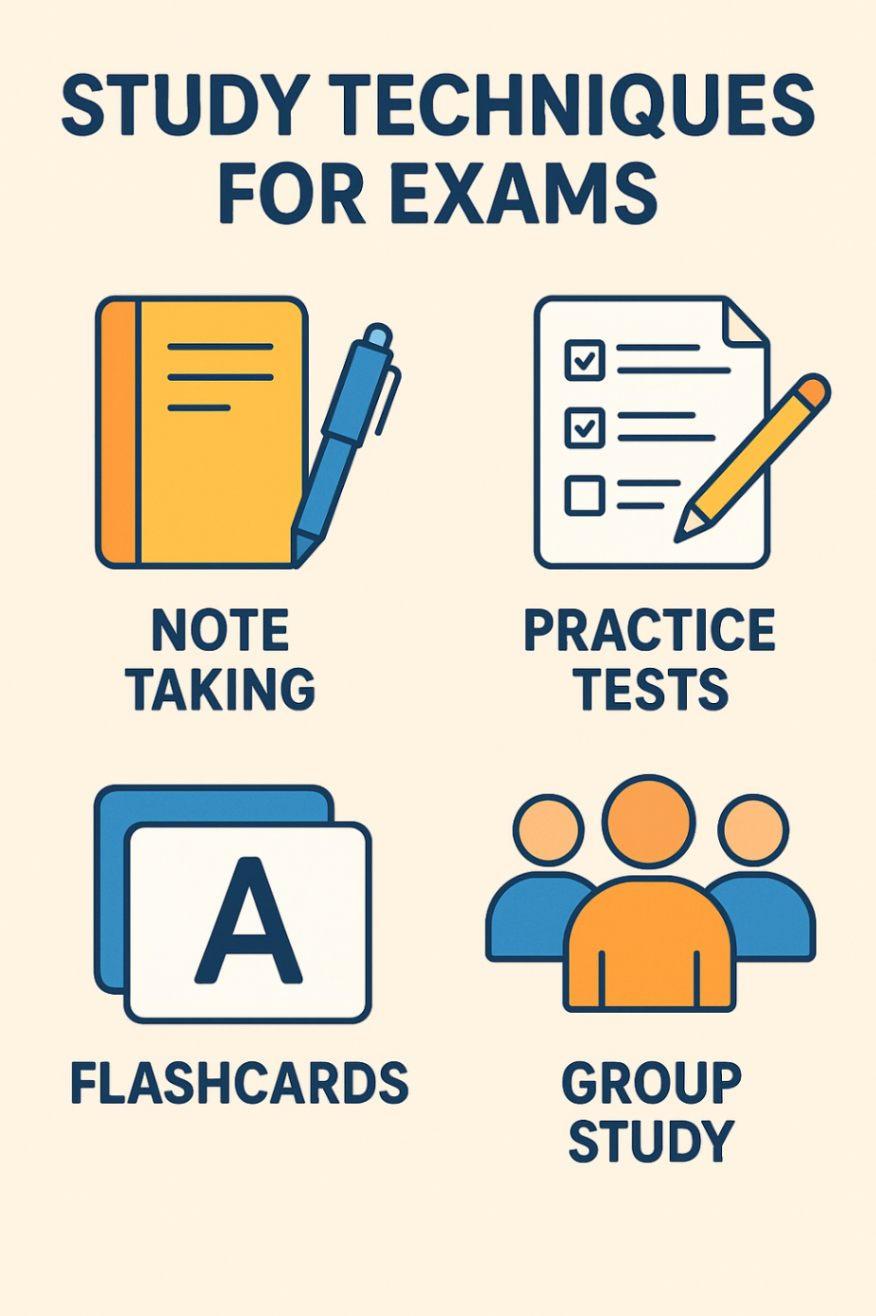
Balancing homework across multiple subjects teaches prioritization skills that extend well beyond academics. High school students learn to assess task urgency and importance, allocate time strategically, and make difficult choices about where to focus limited energy. These capabilities prove invaluable in college and professional settings where competing demands require constant prioritization. For additional strategies on academic success, explore comprehensive study techniques for exams that complement effective homework completion.
How Is Homework Beneficial Beyond Academic Performance
Homework's benefits extend far beyond grades and test scores. Understanding these broader advantages helps students appreciate homework's value even when assignments feel tedious or challenging.
Parental Involvement and Home-School Connection
Homework allows parents to be involved with their children's learning, see what their children are learning and working on in school every day, and participate by guiding them through homework assignments and reinforcing positive study and research habits. This involvement strengthens home-school partnerships that support student success. Parents who engage with homework gain insight into their children's academic strengths, challenges, and learning styles. This awareness enables them to provide appropriate support, advocate effectively with teachers, and make informed decisions about educational resources or interventions when needed.
Independent Learning and Problem-Solving Skills
Homework requires students to grapple with challenges without immediate teacher assistance. This independence develops problem-solving abilities and resourcefulness. Students learn to consult textbooks, use reference materials, seek peer support appropriately, and persist through confusion—all valuable skills that foster academic autonomy. When students can't immediately solve problems, they develop tolerance for uncertainty and strategies for working through confusion. These experiences build resilience and self-efficacy, teaching students they can overcome intellectual challenges through effort and strategic thinking.
Real-World Skill Application
Well-designed homework connects classroom concepts to practical applications. Science experiments at home, community interviews for social studies, or real-world math problems help students understand how academic learning relates to everyday life. These connections increase engagement while demonstrating education's practical value. Tools like Homework Helper AI can provide additional support when students encounter particularly challenging assignments, offering explanations that clarify confusing concepts without simply providing answers.
Is Homework Beneficial Pros and Cons: A Balanced Perspective
Understanding homework's benefits requires acknowledging legitimate concerns and potential negative effects. A balanced perspective helps educators, parents, and students maximize benefits while minimizing drawbacks.
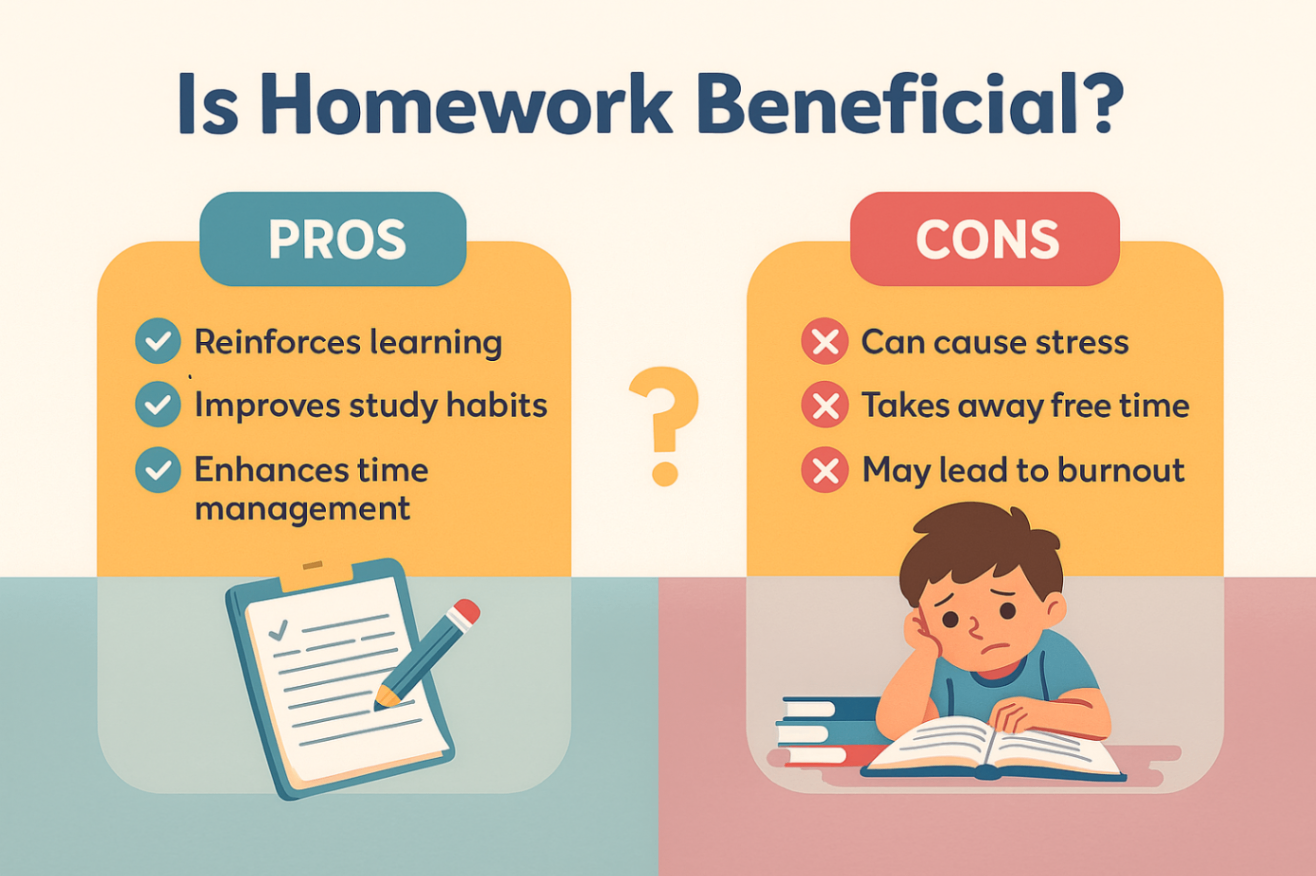
The Advantages of Homework
The pros of homework include measurable academic benefits, particularly for older students. Students in classes that were assigned homework outperformed 69 percent of students who didn't have homework on both standardized tests and grades. This significant advantage demonstrates homework's positive impact when implemented appropriately. Beyond grades, homework develops time management, responsibility, self-discipline, and independent learning skills. It provides practice opportunities that solidify classroom instruction and creates home-school connections that engage families in education. For many students, homework builds confidence as they successfully complete challenging tasks independently. Homework also allows teachers to assess student understanding outside classroom settings, identifying misconceptions and learning gaps that inform subsequent instruction. This formative assessment function helps teachers adapt their teaching to address actual student needs.
The Disadvantages and Concerns
Legitimate concerns about homework deserve serious consideration. Higher-achieving students who may have more homework are at particular risk for stress-related health issues including sleep deprivation, weight loss, stomach problems and headaches. Excessive homework creates serious wellbeing problems that undermine the educational benefits it's supposed to provide. Homework can exacerbate educational inequity. Students from low-income homes may not benefit as much from homework as those from higher-income homes, as some researchers believe students from higher-income homes have more resources such as computers and receive more assistance with homework. This disparity raises important questions about homework's fairness and accessibility. Additional concerns include reduced time for extracurricular activities, family stress, and potential for cheating under pressure. Students with too much homework may be tempted to cheat, and under pressure to finish at-home assignments, many students resort to copying others' work, plagiarizing or using creative tech hacks. These negative consequences suggest homework must be carefully calibrated to student needs and circumstances.
Finding the Right Balance
The solution involves thoughtful homework policies that maximize benefits while minimizing harms. Too much homework can be counter-productive for students at all levels, and even for high school students, overloading them with homework is not associated with higher grades. This finding emphasizes that more homework doesn't always mean better results. The "10-minute rule" provides helpful guidance: Teachers should add 10 minutes of homework as students progress one grade, meaning a fourth-grader would be assigned 40 minutes of homework a night, while a high school senior would be assigned about two hours. This graduated approach recognizes developmental differences while providing structure for homework policies.
Reasons Why Homework Is Beneficial When Designed Thoughtfully
Not all homework produces equal benefits. Understanding what makes assignments effective helps teachers design better homework and helps students approach assignments more strategically.
Purpose-Driven Assignments
The most beneficial homework serves clear learning objectives. Teachers should assign homework that reinforces specific skills, prepares students for upcoming lessons, or extends classroom learning in meaningful ways. Random busywork wastes student time and creates resentment without producing educational benefits. Homework that extends classroom thinking improves learning and boosts engagement and study habits, while mandatory or reflexive homework policies tend to produce a lot of busywork and can waste students' time. This distinction highlights the importance of intentional homework design over automatic assignment policies.
Differentiated and Developmentally Appropriate
Effective homework considers individual student needs and developmental levels. Younger students need shorter, more structured assignments with clear instructions. Older students can handle longer-term projects requiring planning, research, and synthesis. One-size-fits-all approaches ignore important developmental and individual differences. Teachers need to design homework that even struggling students want to do because it is interesting, and just about all students at any age level react positively to good assignments. This observation emphasizes that engagement stems from quality design rather than inherent student laziness or resistance.
Feedback and Learning From Mistakes
Homework provides maximum benefit when accompanied by meaningful feedback. Students need to understand not just whether answers are correct but why mistakes occurred and how to improve. Without feedback, homework becomes mere completion rather than learning opportunity. Teachers should review homework in ways that promote learning—discussing common errors, having students explain their thinking, or using homework results to guide subsequent instruction. This feedback loop transforms homework from isolated task into integrated component of comprehensive learning process.
Reasonable Workload and Time Expectations
Assignment duration matters significantly. Teachers should estimate completion time realistically, accounting for students who work more slowly or lack home support. Homework that routinely exceeds reasonable time expectations creates stress without additional learning benefits. Coordination among teachers helps prevent overwhelming cumulative workload. When multiple teachers assign substantial homework simultaneously, total burden can become excessive even if individual assignments are reasonable. School-wide coordination and communication reduce these problems.
Maximizing Homework's Benefits: Strategies for Students
Understanding why homework benefits students is only the first step. Implementing strategies that maximize these benefits while minimizing frustration makes homework work for you rather than against you.
Create Consistent Homework Routines
Establish specific times and locations for homework completion. This consistency reduces decision fatigue and procrastination by making homework part of your automatic routine. Your brain learns to shift into focused work mode at designated times, making starting homework feel less difficult. Choose homework environments that minimize distractions. Silence phones, close unnecessary browser tabs, and communicate boundaries to family members. Focused work sessions produce better results in less time than fragmented attempts while multitasking.
Break Large Assignments Into Manageable Steps
Procrastination often stems from feeling overwhelmed by large projects. Combat this by dividing substantial assignments into smaller milestones with self-imposed deadlines. This approach makes progress feel achievable while preventing last-minute panic. Start long-term projects immediately, even if just brainstorming or preliminary research. Early engagement allows your subconscious to process ideas and often leads to better final products than work completed in single intensive sessions.
Seek Help Strategically
Don't struggle alone when confused. Consult textbooks, online resources, classmates, or teachers when genuinely stuck. However, ensure you're asking for understanding rather than answers—copying solutions without comprehension defeats homework's learning purpose. Identify specific confusion points before seeking help. Rather than saying "I don't understand anything," pinpoint exactly where your understanding breaks down. This specificity enables more productive assistance and demonstrates responsibility for your learning.
Review and Learn From Mistakes
When homework returns with feedback or corrections, review it carefully. Understand why mistakes occurred and what correct approaches look like. This reflection transforms homework into genuine learning opportunity rather than task completion. Keep graded homework organized for exam review. Homework represents excellent study material since it covers topics teachers emphasized and includes your specific areas of confusion. Reviewing past homework before tests produces better results than starting from scratch.
Addressing Homework Equity and Access Issues
While homework offers important benefits, ensuring all students can access these benefits regardless of home circumstances remains an ongoing challenge requiring thoughtful solutions.
Resource Disparities and Support Gaps
Not all students have equivalent access to homework support resources. Some lack computers, internet access, quiet workspaces, or family members who can provide assistance. These disparities mean homework produces different outcomes for students based on circumstances beyond their control. Schools and teachers can address these inequities through various approaches: providing homework completion time during school, ensuring technology access through device lending programs, designing homework that doesn't require extensive resources, and offering after-school homework help sessions. These accommodations help level the playing field without eliminating homework's benefits.
Cultural and Language Considerations
Families from different cultural backgrounds may hold varying views about education and appropriate parental involvement. Language barriers can prevent non-English-speaking parents from helping with homework effectively. Teachers should consider these factors when designing assignments and communicating expectations. Homework that invites family involvement without requiring academic expertise works better for diverse families. Interviews, discussions, or sharing family experiences allow all families to participate meaningfully regardless of educational background or language proficiency.
Conclusion
Understanding why homework is beneficial transforms how students approach their assignments. While homework can feel burdensome, research demonstrates it serves important functions when designed thoughtfully and implemented appropriately. The benefits include reinforcing classroom learning, developing self-regulation and time management skills, building responsibility and perseverance, and preparing students for future academic challenges. These advantages are most pronounced for older students, though even elementary homework builds foundational habits when kept brief and purposeful. The key lies not in eliminating homework but in ensuring assignments are well-designed, developmentally appropriate, and reasonable in duration. By recognizing homework's legitimate benefits while addressing valid concerns about excessive workload and equity, students, parents, and educators can work together to make homework a valuable component of comprehensive education that truly supports student growth and achievement.
Frequently Asked Questions
Does homework actually improve grades and academic performance?
Yes, research consistently shows homework improves grades and test scores, particularly for middle and high school students. Studies indicate students who complete homework outperform those who don't on standardized tests and classroom assessments. However, the benefit increases with grade level—elementary students show smaller academic gains while high school students demonstrate strong positive correlations between homework completion and achievement.
How much homework is beneficial for students at different grade levels?
The commonly accepted guideline is the "10-minute rule," which suggests 10 minutes of homework per grade level. This means first graders would have 10 minutes nightly, while high school seniors might have up to two hours. Research indicates homework benefits peak between 90 minutes and 2.5 hours for high school students, while elementary students benefit from much shorter assignments that build habits without overwhelming them.
What are the main reasons homework is beneficial beyond better grades?
Homework develops critical life skills including time management, self-discipline, responsibility, and independent problem-solving abilities. It teaches students to work without immediate supervision, persist through challenges, and organize their time effectively. Additionally, homework creates home-school connections that allow parents to understand what their children are learning and identify potential academic struggles early.
Is homework beneficial for elementary students or should it be eliminated?
Elementary homework provides limited academic benefits but serves important developmental purposes when kept brief and age-appropriate. Young students benefit from establishing routines, learning responsibility, and understanding that learning extends beyond school hours. Most experts recommend 10-20 minutes of homework for students in grades K-2, gradually increasing as students mature, rather than eliminating homework entirely.
What makes homework beneficial versus just busywork that wastes time?
Beneficial homework has clear learning objectives, reinforces classroom concepts, provides meaningful practice, or prepares students for upcoming lessons. Quality homework is purposefully designed, developmentally appropriate, accompanied by feedback, and reasonable in duration. Busywork assignments with no clear purpose, reflexive policies requiring homework for homework's sake, or excessive workloads that cause stress without additional learning are ineffective and should be avoided.