
Table of contents
- Understanding What Makes Homework Beneficial
- 10 Benefits of Homework That Support Academic Success
- The Benefits of Homework Across Different Grade Levels
- Maximizing the Benefits of Homework: Best Practices
- Addressing Homework Equity and Access Concerns
- Understanding Potential Drawbacks and Finding Balance
- Conclusion
Homework has been an integral part of education for generations, yet debates about its value continue among students, parents, and educators. While students may view assignments as tedious obligations, research reveals that homework serves crucial functions when designed and implemented thoughtfully. Understanding the benefits of homework helps shift perspectives from resentment to appreciation, recognizing how these assignments contribute to academic success and lifelong skill development. The question of what are the benefits of homework doesn't have a one-size-fits-all answer. The value varies based on student age, assignment quality, subject matter, and implementation approach. However, extensive research demonstrates that purposeful homework delivers measurable advantages that extend far beyond simple grade improvement. This comprehensive guide explores ten benefits of homework, examining how well-designed assignments support learning, personal growth, and future success.
Understanding What Makes Homework Beneficial
Not all homework produces equal results, and understanding this distinction is crucial for maximizing benefits. The benefits of doing homework depend significantly on assignment quality, appropriateness for developmental level, and alignment with learning objectives. Research indicates students in classes that were assigned homework outperformed 69 percent of students who didn't have homework on both standardized tests and grades. This significant difference demonstrates homework's tangible impact when implemented effectively. However, this doesn't mean more homework always equals better outcomes. The relationship between homework and achievement strengthens as students progress through grade levels. According to research, while the academic impact for students in grades 1-4 is limited with a small effect size, it grows steadily through upper elementary school and into high school, rising by 95 percent for grades 5-8 and 129 percent for grades 9-12. This pattern reflects developmental differences in study habits, self-regulation, and ability to work independently. Quality trumps quantity in homework effectiveness. Short, well-designed assignments produce better learning outcomes than lengthy busywork that lacks clear purpose. Understanding this principle helps students, parents, and educators evaluate whether specific assignments merit effort and how to approach them strategically.
10 Benefits of Homework That Support Academic Success
Exploring the comprehensive benefits of having homework reveals how assignments contribute to student development across multiple dimensions. These advantages extend from immediate academic gains to long-term skill building that serves students throughout their lives.
Reinforces Classroom Learning and Improves Retention
One of the primary benefits of homework for students involves reinforcing concepts introduced during class instruction. Students typically retain only 50 percent of information teachers provide in lessons, requiring additional practice to solidify understanding and improve long-term memory. Neuroscience research shows that spaced repetition significantly improves memory retention, and when students revisit and review material over time, it strengthens the connections in their brains associated with that knowledge. Homework provides this essential spaced practice, transforming fleeting classroom exposure into durable knowledge. Each time students retrieve information to complete homework, they reinforce neural pathways associated with that content. This biological process moves learning from short-term memory into long-term storage where it remains accessible for future use. Without homework's reinforcement, much classroom instruction fades quickly from student memory.
Develops Time Management and Organizational Skills
Among the most valuable benefits of doing homework are the organizational capabilities students develop. Balancing homework across multiple subjects teaches prioritization, planning, and strategic time allocation—skills that prove essential throughout academic and professional life. Research suggests developing time management skills through homework can lead to better academic outcomes and reduced stress levels among students. Students learn to assess task urgency and importance, create schedules, meet deadlines, and make difficult choices about where to focus limited energy. These time management abilities don't develop automatically. Homework provides structured opportunities to practice organizing materials, planning work sessions, estimating task duration, and adjusting strategies when initial approaches prove ineffective. The discipline required to complete homework regularly translates directly to professional success in any career.
Builds Responsibility and Self-Discipline
What are the benefits of doing homework beyond academic achievement? Homework cultivates personal responsibility as students learn to complete assignments independently, meet deadlines without constant reminders, and take ownership of their learning outcomes. Certain nonacademic benefits of homework have been shown, especially for younger students, including learning the importance of responsibility, managing time, developing study habits, and staying with a task until it is completed. These character traits support success in all life endeavors, not just academics. Students develop self-discipline by resisting distractions, persisting through challenging problems, and maintaining focus on long-term goals despite short-term discomfort. This internal regulation represents a critical life skill that predicts success across multiple domains. Homework provides regular practice in exercising self-control and delaying gratification.
Encourages Independent Learning and Problem-Solving
The benefits of homework include fostering autonomy as students tackle challenges without immediate teacher assistance. This independence develops problem-solving abilities, resourcefulness, and confidence in one's capacity to overcome intellectual obstacles. When students can't immediately solve homework problems, they learn strategies for working through confusion: consulting textbooks, reviewing notes, researching online resources, or seeking appropriate peer support. These problem-solving approaches build resilience and self-efficacy, teaching students they can overcome challenges through effort and strategic thinking. Homework assignments requiring research or creative application particularly strengthen independent learning skills. Students learn to identify relevant information sources, evaluate credibility, synthesize multiple perspectives, and form original conclusions—capabilities essential for advanced academics and professional work.
Prepares Students for Future Lessons and Tests
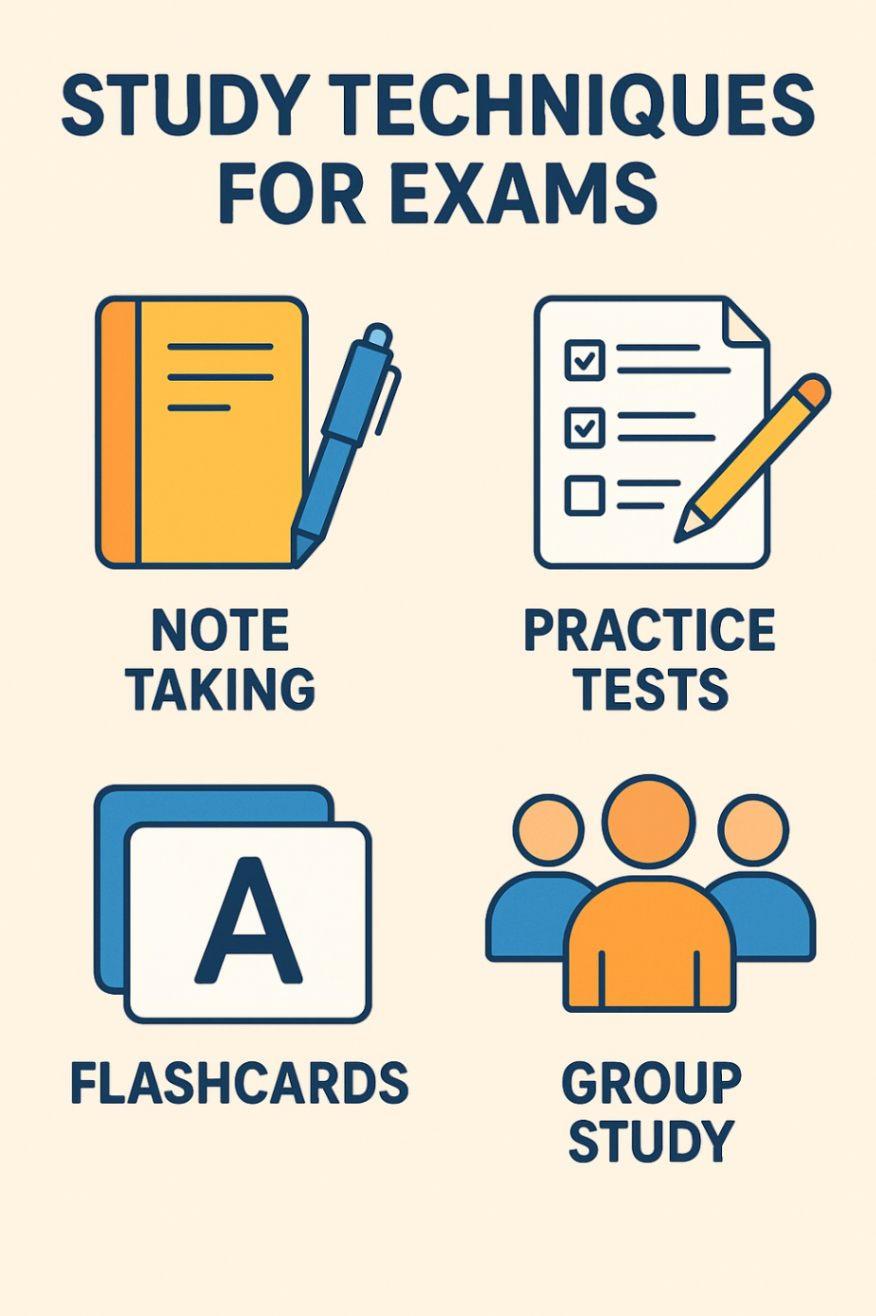
What are some benefits of homework that improve academic performance? Assignments that introduce upcoming material help students obtain maximum benefit when new content is covered in class. This preparatory function makes classroom instruction more efficient and comprehensible. When students complete homework reviewing prerequisite concepts before new lessons, they arrive prepared to engage deeply with advanced material. This preparation creates smoother learning progression and prevents confusion that arises when foundational knowledge remains shaky. Practice assignments improve scores on class tests at all grade levels, demonstrating homework's direct connection to measurable outcomes. Regular homework completion helps students identify weak areas before exams, allowing targeted review that strengthens performance on high-stakes assessments. For additional exam preparation strategies, explore proven study techniques for exams that complement homework completion.
Develops Critical Thinking and Problem-Solving Abilities
Among the intellectual benefits of homework for students is enhanced critical thinking. Homework assignments requiring analysis, synthesis, or application push students beyond simple memorization toward deeper cognitive engagement. Research indicates problem-based homework assignments can significantly improve students' critical thinking abilities, as students cannot simply ask for help and must stick with problems for much longer than they normally would. This extended engagement allows cognitive development that brief classroom practice cannot achieve. Homework challenges students to apply knowledge to novel situations, evaluate multiple solution approaches, identify patterns, and draw connections between seemingly disparate concepts. These higher-order thinking skills prove essential for advanced academic work and professional problem-solving in any field.
Creates Home-School Connections and Parental Involvement
The benefits of having homework extend to family engagement with education. Assignments provide opportunities for parents to understand what children are learning, monitor academic progress, and participate meaningfully in educational development. Homework allows parents to observe learning in action, identifying when children grasp concepts easily versus when they struggle. This awareness enables appropriate support, timely communication with teachers, and informed decisions about educational resources or interventions. For younger students especially, homework creates structured opportunities for family learning interactions. Parents can guide children through assignments, reinforce positive study habits, and demonstrate that education extends beyond school walls into family life and values.
Improves Study Habits and Academic Skills
What are the benefits of homework for long-term academic development? Regular homework completion builds study habits that grow increasingly important as educational demands intensify. Students develop routines for reviewing material, organizing information, and preparing for assessments. Homework teaches students how to learn independently—a crucial skill for college and lifelong learning. They discover which study environments support their concentration, what time of day they work most effectively, and which learning strategies produce best results for their individual styles. These metacognitive skills—awareness of one's own learning processes—improve academic performance across all subjects. Students who understand how they learn best can adapt strategies to new situations, compensate for weaknesses, and leverage strengths for maximum effectiveness.
Provides Practice Opportunities That Build Mastery
Among the foundational benefits of doing homework is the practice necessary for skill mastery. Certain subjects—mathematics, foreign languages, writing, and music—require extensive repetition to develop fluency and automaticity. Homework provides this essential practice that classroom time alone cannot accommodate. Students work through multiple problems, apply concepts repeatedly, and build procedural fluency that makes advanced work accessible. This practice transforms conscious effort into automatic skill. The relationship between practice and mastery is well-established across all skill domains. Whether learning to solve equations, conjugate verbs, or structure arguments, homework repetitions create neural efficiency that enables complex performance. Without adequate practice, skills remain tentative and unreliable under test conditions.
Increases Achievement and Academic Performance
Perhaps the most direct answer to "what are the benefits of homework" involves measurable academic outcomes. Research consistently demonstrates positive correlations between homework completion and achievement, particularly for secondary students. Studies show the research synthesis showed the positive correlation was much stronger for secondary students in grades 7 through 12 than those in elementary school. This strengthening relationship reflects older students' better-developed study habits and capacity for independent work. For high school students specifically, research found that boys who attended college did more than three hours of additional homework per week in high school compared to boys who didn't attend college. This suggests homework completion correlates with college readiness and future educational attainment. When students need additional support with challenging assignments, tools like Free AI Homework Helper can provide explanations that clarify confusing concepts without simply providing answers, helping students understand material deeply.
The Benefits of Homework Across Different Grade Levels
The advantages homework provides vary significantly based on student age and developmental stage. Understanding these differences helps parents and educators set appropriate expectations and design effective assignments.
Elementary School Benefits
For younger students, homework's primary value lies in habit formation rather than academic achievement. Research shows limited impact on test scores for elementary students, but assignments serve other important purposes. Elementary homework establishes routines that normalize learning beyond classroom walls. Students develop awareness that education requires ongoing effort, practice following directions independently, and learn to organize materials and manage simple responsibilities. The key involves keeping assignments brief and engaging. Most experts recommend 10-20 minutes for students in early elementary grades, gradually increasing as students mature. This measured approach builds positive associations with homework while establishing foundational skills.
Middle School Benefits
Middle school represents a transition period where homework's academic benefits become more pronounced. Students develop stronger study habits, improved self-regulation, and greater capacity for independent work. Homework during these years bridges elementary and high school demands, helping students adjust to increased academic rigor. Assignments become more complex, requiring sustained effort, deeper analysis, and better organizational skills. This progressive challenge prepares students for high school success. The correlation between homework and achievement grows substantially during middle school years. Students who consistently complete assignments develop momentum that carries into high school, while those who struggle with homework often face compounding difficulties in subsequent grades.
High School Benefits
High school represents the level where homework's advantages reach maximum impact. Research consistently demonstrates strong positive correlations between homework completion and academic achievement for students in grades 9-12. Students who spent between 31 and 90 minutes each day on homework scored about 40 points higher on the SAT-Mathematics subtest than their peers who spent no time on homework. This substantial difference illustrates homework's tangible effect on outcomes affecting college admissions and opportunities. High school homework prepares students for college-level work demands. Assignments develop capabilities for independent learning, complex project management, and information synthesis—all essential for postsecondary success. Advanced courses particularly benefit from substantial practice that homework facilitates.
Maximizing the Benefits of Homework: Best Practices
Understanding benefits represents only the first step. Implementing strategies that maximize these advantages while minimizing potential drawbacks creates optimal homework experiences.
Design Purposeful, Quality Assignments
The most beneficial homework serves clear learning objectives. Teachers should assign tasks that reinforce specific skills, prepare students for upcoming lessons, or extend classroom learning meaningfully. Random busywork wastes student time without producing educational value. Research indicates short, well-designed assignments are far more effective than lengthy, poorly constructed ones, which risk undermining learning altogether. Quality matters dramatically more than quantity in determining homework's effectiveness. Assignments sparking student interest and creativity engage learners more effectively than rote tasks. However, what constitutes quality varies by subject—spelling and vocabulary require practice and memorization, while other subjects benefit from creative application and analysis.
Follow Age-Appropriate Guidelines
The commonly accepted "10-minute rule" provides helpful guidance: teachers should add 10 minutes of homework as students progress one grade level. This means fourth-graders receive approximately 40 minutes nightly, while high school seniors might have up to two hours. Research supports these guidelines, showing for upper high school students, after about two hours' worth, more homework was not associated with higher achievement. This finding emphasizes that excessive homework produces diminishing returns or potentially negative effects. Age-appropriate expectations account for developmental differences in attention span, study skills, and independence. Assignments exceeding reasonable durations create stress without additional learning benefits, potentially damaging student attitudes toward education.
Provide Feedback and Support Learning
Homework provides maximum benefit when accompanied by meaningful feedback. Students need to understand not just whether answers are correct but why mistakes occurred and how to improve performance. Teachers should review homework in ways promoting learning: discussing common errors, having students explain reasoning, or using results to guide subsequent instruction. This feedback loop transforms homework from isolated task into integrated learning component. For struggling students, additional support ensures homework builds rather than undermines confidence. Differentiated assignments, clear instructions, and accessible help resources allow all students to benefit from homework regardless of home circumstances or prior knowledge.
Balance Workload and Wellbeing
While homework offers important benefits, excessive assignments create serious problems. Research indicates higher-achieving students with substantial homework face risks including stress, burnout, sleep deprivation, weight loss, stomach problems and headaches. These negative effects undermine educational benefits homework should provide. Coordination among teachers helps prevent overwhelming cumulative workload. When multiple instructors assign substantial homework simultaneously, total burden becomes excessive even if individual assignments are reasonable. School-wide communication reduces these problems while respecting student wellbeing. Students need time for extracurricular activities, family relationships, adequate sleep, and unstructured play or relaxation. Homework consuming all non-school hours damages development in areas essential for long-term success and happiness. Balance creates sustainable approaches supporting comprehensive growth.
Addressing Homework Equity and Access Concerns
While homework offers important benefits, ensuring all students can access these advantages regardless of circumstances remains an ongoing challenge requiring thoughtful solutions.
Resource Disparities
Not all students have equivalent access to homework completion resources. Research reveals more than a third of students from low-income households are cell phone-dependent for homework, about double the rate of wealthier peers, while only 8 percent of teens from high-income families lack computer or internet access compared with 24 percent of teens from families under financial strain. These disparities mean homework produces different outcomes based on circumstances beyond student control. Some lack computers, internet access, quiet workspaces, or family members able to provide assistance—all factors affecting homework completion and quality. Schools can address inequities through device lending programs, homework completion time during school, assignments not requiring extensive resources, and after-school homework help sessions. These accommodations level the playing field without eliminating homework's benefits for all students.
Socioeconomic Considerations
Research examining whether students from low-income homes may not benefit as much from homework as those from higher-income homes, as some researchers believe students from higher-income homes have more resources and receive more assistance raises important equity questions. However, other research challenges this assumption, finding homework benefits don't vary significantly across socioeconomic groups when properly implemented. This suggests homework can play important roles in education while requiring attention to ensuring fair access for all students. Teachers should design homework that diverse families can support regardless of educational background, language proficiency, or resource availability. Assignments inviting family involvement without requiring academic expertise work better for varied circumstances.
Understanding Potential Drawbacks and Finding Balance
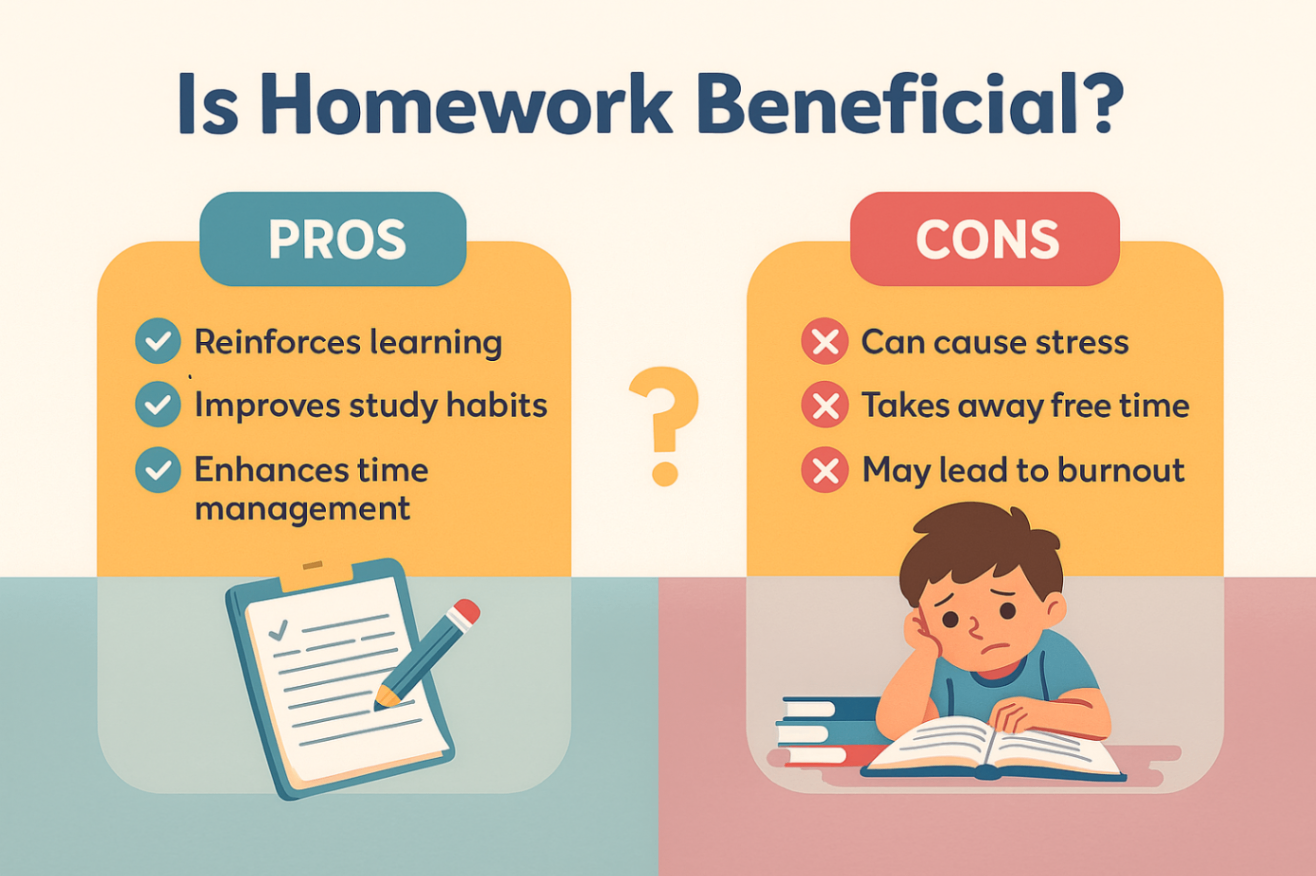
For a complete understanding of what are the benefits of homework, acknowledging legitimate concerns and potential negative effects creates balanced perspective. Understanding both advantages and disadvantages helps maximize benefits while minimizing harms. To explore this balance further, read our detailed analysis on Is Homework Beneficial.
Stress and Mental Health Impacts
Excessive homework creates significant stress affecting student wellbeing. When assignments consume all non-school time, students experience anxiety, sleep deprivation, and mental health challenges that undermine the learning homework should support. Research shows homework-related stress manifests physically through headaches, exhaustion, stomach problems, and sleep difficulties. These symptoms signal that homework quantity has exceeded healthy levels, requiring adjustment to prevent serious harm. Balance requires homework policies respecting student needs for rest, recreation, family time, and other developmental activities. Education succeeds when supporting whole-child development rather than narrowly focusing on academic achievement while neglecting wellbeing.
Quality Versus Quantity
The debate about homework often centers on quantity rather than quality. Research consistently shows increasing homework frequency, not homework duration, may be especially effective in improving student outcomes. This finding suggests frequent shorter assignments work better than occasional lengthy tasks. More homework doesn't automatically mean better results. Students can experience homework benefits through focused, purposeful assignments taking reasonable time. Excessive workloads often produce rushed work, shallow learning, and increased cheating without corresponding achievement gains. Teachers should estimate completion time realistically, considering students working more slowly or lacking home support. Assignments routinely exceeding reasonable expectations create problems without educational justification, suggesting need for redesign rather than students working harder.
Conclusion
The benefits of homework extend far beyond simple grade improvement, encompassing skill development, character building, and preparation for future success. From reinforcing classroom learning and building time management skills to developing responsibility and fostering independent thinking, well-designed homework serves crucial educational functions. Research demonstrates homework's positive impact grows stronger as students mature, with particularly pronounced benefits for secondary students. However, these advantages depend critically on assignment quality, developmental appropriateness, and reasonable workload. Excessive or poorly designed homework creates stress without corresponding benefits, while thoughtful assignments of appropriate duration support learning and development. Understanding what are the benefits of homework helps students, parents, and educators approach assignments purposefully, implementing strategies that maximize advantages while maintaining balance and supporting student wellbeing. When homework represents purposeful extension of classroom learning rather than arbitrary busywork, it becomes a valuable tool supporting academic achievement and lifelong success.
Frequently Asked Questions
What are the main benefits of homework for students?
The primary benefits of homework include reinforcing classroom learning and improving retention, developing time management and organizational skills, building responsibility and self-discipline, encouraging independent learning and problem-solving, and improving academic performance. Additionally, homework creates home-school connections, develops study habits, provides essential practice opportunities, enhances critical thinking, and prepares students for future academic challenges.
How much homework provides benefits without causing stress?
Research supports the "10-minute rule," suggesting 10 minutes of homework per grade level. This means first-graders have approximately 10 minutes nightly while high school seniors might have up to two hours. For high school students specifically, research shows benefits peak between 90 minutes and 2.5 hours daily, after which additional homework doesn't improve achievement and may cause stress without corresponding academic gains.
Do elementary students benefit from homework?
Elementary students show limited academic benefits from homework on standardized tests, but assignments serve important developmental purposes. Younger students benefit from establishing routines, learning responsibility, developing basic study habits, and understanding that learning extends beyond school. The key involves keeping assignments very brief—typically 10-20 minutes—and purposeful, focusing on habit formation rather than extensive academic practice.
What makes homework beneficial versus just busywork?
Beneficial homework serves clear learning objectives, reinforcing specific skills or preparing students for upcoming lessons. Quality assignments are purposefully designed, developmentally appropriate, reasonable in duration, and accompanied by meaningful feedback. Busywork—assignments with no clear purpose, excessive length, or poor design—wastes student time without producing learning benefits. Research shows short, well-designed assignments far outperform lengthy, poorly constructed ones.
How do homework benefits vary by subject?
Different subjects benefit from homework in distinct ways. Mathematics and science homework provides essential practice for procedural fluency and problem-solving skills. Language arts homework develops reading comprehension, analytical thinking, and writing abilities. Foreign language homework builds vocabulary and grammar through repetition. Social studies homework encourages critical analysis and research skills. The most effective homework aligns with subject-specific learning objectives rather than following one-size-fits-all approaches.