Table of contents
- Understanding Why Effective Study Techniques Matter
- The Spaced Repetition Method for Long-Term Retention
- Active Recall: Testing Yourself for Better Results
- The Feynman Technique for Deep Understanding
- Strategic Note-Taking Methods That Enhance Learning
- Time-Blocking and the Pomodoro Technique
- Creating the Optimal Study Environment
- Practice Under Exam Conditions
- Collaborative Study: When and How to Study in Groups
- Maintaining Physical and Mental Health During Exam Preparation
- Integrating Technology and Digital Tools Effectively
- Conclusion
Preparing for exams can feel overwhelming, whether you're facing final exams, board exams, or competitive examinations. The difference between average performance and exceptional results often comes down to how you study rather than how much you study. Understanding and implementing effective study techniques for exams transforms your preparation from stressful cramming sessions into structured, productive learning experiences. Students worldwide struggle with finding the right approach to exam preparation, often relying on outdated methods that waste time and energy. The best study techniques for exams aren't about spending endless hours with textbooks—they're about working smarter, retaining information effectively, and building confidence through proven strategies. This comprehensive guide explores research-backed methods that help you maximize your learning potential and achieve the grades you deserve.
Understanding Why Effective Study Techniques Matter
Before diving into specific strategies, it's essential to understand why traditional study methods often fall short. Many students spend hours reading and rereading material without truly engaging with the content, leading to poor retention and exam anxiety. Effective study techniques for final exams work because they align with how our brains naturally process and store information. Research in cognitive psychology demonstrates that active learning methods create stronger neural pathways than passive reading. When you actively engage with material through questioning, summarizing, and applying concepts, you move information from short-term memory into long-term storage where it's accessible during exams. The stakes vary depending on your examination type. Effective study techniques for competitive exams require strategies that build speed and accuracy under pressure, while effective study techniques for board exams might emphasize comprehensive coverage and conceptual clarity. Understanding these distinctions helps you tailor your approach to your specific goals. Time management also plays a crucial role in exam success. The best study techniques optimize your available preparation time, ensuring you cover all necessary material without burning out. By implementing structured study methods, you'll reduce last-minute panic and enter the exam room feeling prepared and confident.
The Spaced Repetition Method for Long-Term Retention
Spaced repetition stands out as one of the most powerful study techniques for exams backed by scientific research. This method involves reviewing material at increasing intervals over time, which significantly improves long-term retention compared to cramming. The technique works by exploiting the psychological spacing effect—our brains remember information better when learning sessions are spread out. Start by reviewing new material within 24 hours of first encountering it, then again after three days, one week, two weeks, and one month. Each review session reinforces the neural pathways associated with that information. Implementing spaced repetition requires planning ahead, making it particularly valuable as an effective study technique for final exams when you have weeks to prepare. Create a study calendar that schedules multiple review sessions for each topic, ensuring you revisit material before you've completely forgotten it. This approach transforms weak memories into strong, reliable knowledge that remains accessible under exam pressure. Digital tools and flashcard apps can automate the spacing intervals, but even a simple calendar system works effectively. The key is consistency—commit to your review schedule even when the material seems familiar. This discipline ensures that information remains fresh and immediately retrievable during exams.
Active Recall: Testing Yourself for Better Results
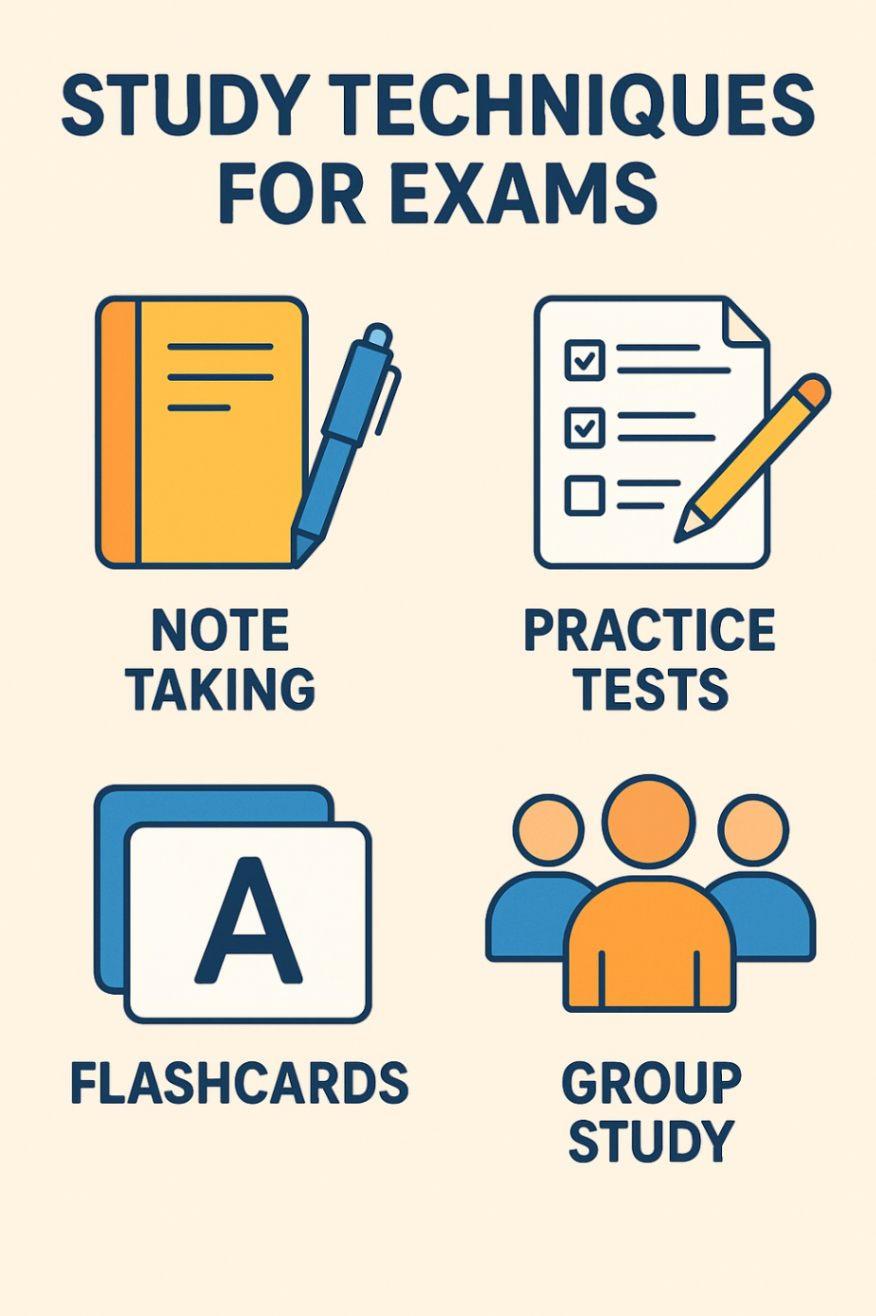
Active recall involves retrieving information from memory without looking at your notes or textbooks, and it represents one of the best study techniques for exams across all academic levels. This method forces your brain to work harder, strengthening memory pathways and revealing gaps in your understanding. Instead of passively rereading chapters, close your books and attempt to write down everything you remember about a topic. This practice might feel uncomfortable initially, especially when you struggle to recall information, but that struggle is precisely what makes the technique effective. Your brain strengthens connections each time it successfully retrieves information. Practice tests and past exam papers provide excellent opportunities for active recall. Treat these practice sessions like real exams—set timers, eliminate distractions, and work through questions without consulting materials. After completing the practice test, review your answers thoroughly, focusing on understanding mistakes rather than just checking correct responses. Creating your own questions also enhances active recall effectiveness. As you study each section, formulate potential exam questions and answer them later without reference materials. This dual process of question creation and answering deepens your engagement with the material and helps you anticipate what examiners might ask.
The Feynman Technique for Deep Understanding
Named after Nobel Prize-winning physicist Richard Feynman, this technique emphasizes explaining concepts in simple language as if teaching someone with no background knowledge. This approach serves as an effective study technique for competitive exams where deep conceptual understanding matters more than surface memorization. Begin by selecting a concept you need to master. Write out an explanation using plain language, avoiding jargon and technical terms whenever possible. If you struggle to explain something simply, you've identified a gap in your understanding that requires further study. This honest assessment prevents false confidence that leads to exam-day surprises. The Feynman Technique works exceptionally well for complex subjects like mathematics, science, and economics. When you can break down complicated theories into simple explanations, you've truly mastered the material. This level of understanding allows you to tackle unexpected question formats and apply knowledge flexibly during exams. Consider actually teaching concepts to study partners or even recording yourself explaining topics. The act of verbalizing information activates different brain regions than reading or writing, creating additional memory pathways. Tools like the AI Homework Helper can also provide alternative explanations that help you develop your own simplified versions.
Strategic Note-Taking Methods That Enhance Learning
Effective note-taking transforms lectures and reading sessions into active learning experiences rather than passive transcription exercises. The best study techniques for exams incorporate strategic note-taking methods that facilitate review and retention. The Cornell Method divides your page into three sections: a narrow left column for cues and questions, a wider right column for notes, and a bottom section for summaries. During lectures or reading, take notes in the main section. Afterward, create questions or keywords in the left column that correspond to your notes. Finally, summarize the page's content at the bottom. This structure naturally supports active recall and spaced repetition. Mind mapping offers another powerful approach, particularly for visual learners and subjects with interconnected concepts. Place the main topic at the center and branch out with related subtopics, creating a visual representation of relationships between ideas. This technique works especially well as an effective study technique for board exams that require understanding how different topics connect. Don't aim to capture everything word-for-word. Instead, focus on key concepts, examples, and explanations that clarify difficult points. Use abbreviations, symbols, and your own words to make note-taking faster and more engaging. Review and refine your notes within 24 hours while the lecture or reading session remains fresh in your memory. Color coding adds another dimension to your notes, helping you categorize information and create visual associations. Use different colors for definitions, examples, formulas, and important concepts. This visual organization makes reviewing notes more efficient and helps information stick in your memory.
Time-Blocking and the Pomodoro Technique
Managing your study time effectively determines whether you cover all necessary material before exam day. Time-blocking involves scheduling specific study tasks for specific time periods, while the Pomodoro Technique structures individual study sessions for maximum focus and minimal fatigue. The Pomodoro Technique divides study time into 25-minute focused intervals (called "pomodoros") followed by 5-minute breaks. After completing four pomodoros, take a longer 15-30 minute break. This rhythm maintains high concentration while preventing the mental fatigue that comes from marathon study sessions. The technique works particularly well as an effective study technique for final exams when you need sustained focus over extended periods. Time-blocking takes a broader view, assigning subjects or topics to specific time slots throughout your day and week. This approach ensures balanced coverage of all exam topics and prevents the common pitfall of over-studying comfortable subjects while neglecting challenging ones. Create a realistic study schedule that accounts for your energy levels—schedule difficult subjects during your peak focus hours and lighter review during low-energy periods. Combine these techniques for optimal results. Use time-blocking to plan which subjects you'll study and when, then apply the Pomodoro Technique during actual study sessions. This two-level structure provides both strategic planning and tactical focus.
Creating the Optimal Study Environment
Your study environment significantly impacts concentration and retention, making it a crucial element of effective study techniques for exams. Small changes to your surroundings can dramatically improve your productivity and learning outcomes. Eliminate distractions systematically. Put your phone in another room or use apps that block social media during study sessions. If you study at home, communicate your schedule to family members and request uninterrupted time. Some students find that studying in libraries or quiet cafes provides better focus than home environments with multiple distractions. Lighting, temperature, and ergonomics also matter. Natural light improves mood and alertness, while poor lighting causes eye strain and fatigue. Keep your study space slightly cool—warm environments promote drowsiness. Ensure your chair and desk support good posture to prevent physical discomfort that breaks concentration. Consider background noise preferences. Some students concentrate best in complete silence, while others benefit from white noise or instrumental music. Experiment to find what works for you, but avoid music with lyrics, which can interfere with reading comprehension and information processing. Designate a specific study space that your brain associates with focused work. When you consistently study in the same location, you create environmental cues that trigger concentration. This association makes it easier to enter a focused state quickly and maintain attention throughout study sessions.
Practice Under Exam Conditions
Simulating actual exam conditions during practice sessions prepares you for test-day pressures and reveals time management issues before they affect your actual performance. This strategy proves especially valuable as an effective study technique for competitive exams where time pressure and stress significantly impact performance. Set aside time for full-length practice tests under realistic conditions. Use the same time limits as the actual exam, work in a quiet environment without interruptions, and prohibit reference materials. This experience builds mental stamina and helps you develop effective time management strategies. Analyze your practice test performance carefully. Beyond checking answers, identify patterns in your mistakes. Do you lose points from careless errors, incomplete understanding, or time management issues? Each problem type requires different solutions. Careless errors might improve with slower, more deliberate work. Conceptual gaps require targeted review. Time management problems need strategic question-ordering or pacing adjustments. Practice tests also reduce anxiety by familiarizing you with exam format and question types. The unknown creates stress, so eliminating surprises through thorough practice builds confidence. When you sit for the actual exam, the experience will feel familiar rather than intimidating.
Collaborative Study: When and How to Study in Groups
Study groups offer unique benefits when used appropriately, though they're not suitable for every study session or every learner. Understanding when and how to leverage collaborative study enhances your overall preparation strategy. Effective study groups work best after individual preparation. When each member arrives having already studied the material independently, group time can focus on discussing difficult concepts, comparing problem-solving approaches, and teaching each other. This collaborative approach reinforces learning through explanation and exposure to different perspectives. Keep study groups small—three to five members typically works best. Larger groups tend to splinter into side conversations or leave some members passive. Choose partners who share your commitment level and academic goals. One uncommitted member can derail an entire session. Structure group sessions with clear objectives and time limits. Decide in advance which topics you'll cover and allocate time for each. Appoint someone to keep discussions on track and prevent social conversations from dominating study time. This structure ensures productive sessions that enhance rather than replace individual study. Teaching concepts to peers during group sessions activates the Feynman Technique, deepening your own understanding while helping others. When you explain material clearly, you solidify your mastery. When others explain concepts to you, you gain new perspectives and clarification on confusing points.
Maintaining Physical and Mental Health During Exam Preparation
The best study techniques for exams include strategies for maintaining your physical and mental wellbeing, as peak cognitive performance depends on proper self-care. Students who neglect health in favor of extra study hours often perform worse than those who balance preparation with wellness. Sleep is non-negotiable for memory consolidation and cognitive function. During sleep, your brain processes and stores information learned during the day, converting short-term memories into long-term knowledge. Aim for 7-9 hours nightly, especially during intensive exam preparation. All-night cramming sessions destroy retention and impair test-day performance. Regular exercise boosts brain function by increasing blood flow and promoting neuroplasticity. Even 20-30 minutes of moderate activity daily improves concentration, memory, and stress management. Schedule exercise breaks between study sessions—physical activity refreshes your mind and often leads to breakthroughs on challenging concepts. Nutrition affects cognitive performance significantly. Eat regular meals with balanced nutrients, focusing on foods that support brain function like fatty fish, nuts, whole grains, and vegetables. Stay hydrated—even mild dehydration impairs concentration and memory. Avoid excessive caffeine, which can disrupt sleep patterns and increase anxiety. Stress management techniques like meditation, deep breathing, or yoga help maintain emotional balance during high-pressure preparation periods. These practices reduce cortisol levels, improve focus, and build resilience against exam anxiety. Even five minutes of mindfulness practice daily provides measurable benefits.
Integrating Technology and Digital Tools Effectively
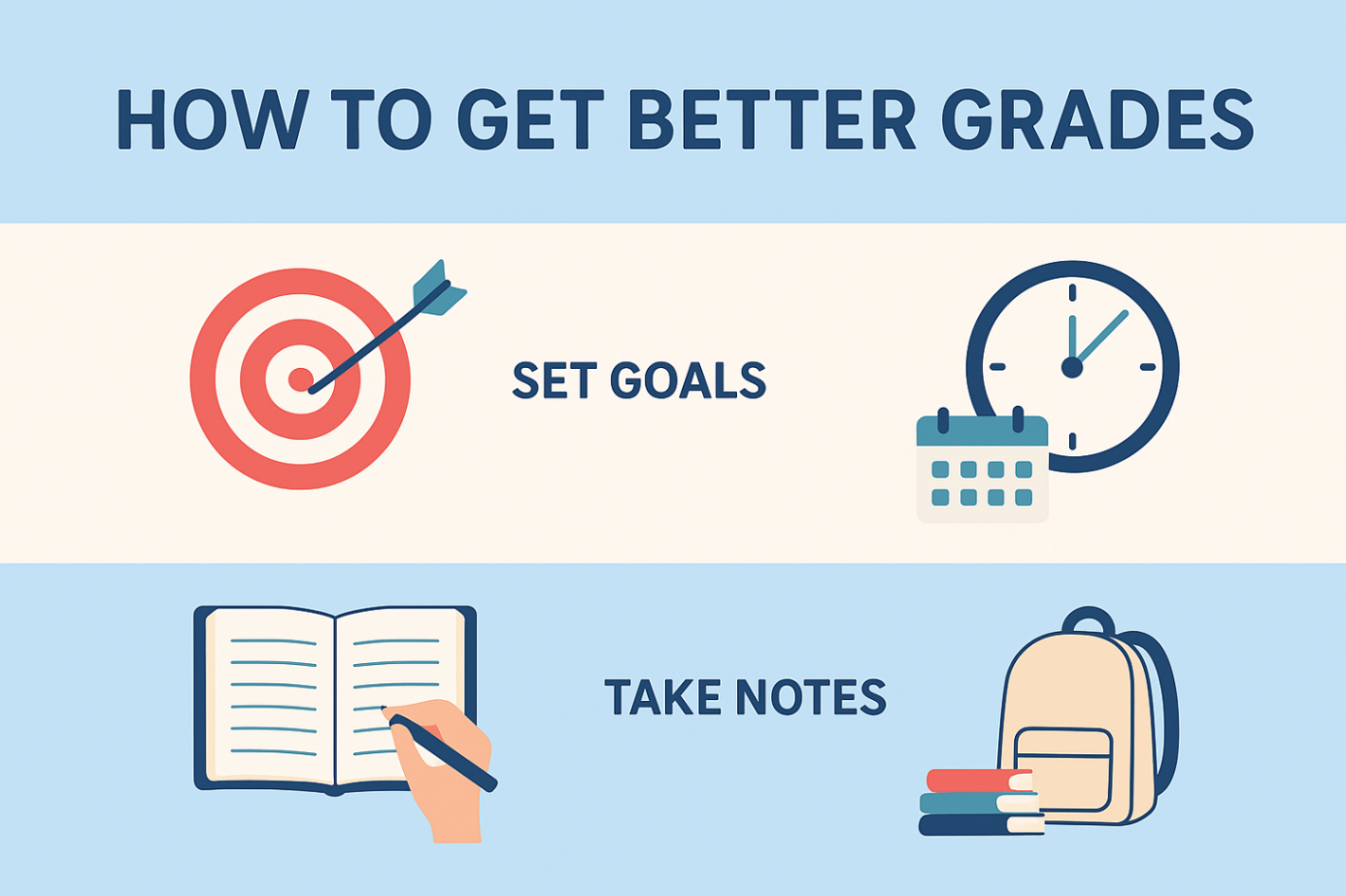
Modern technology offers powerful study aids when used strategically, though digital tools can also become distractions if not managed carefully. The key lies in selecting tools that genuinely enhance learning rather than creating the illusion of productivity. Flashcard apps like Anki or Quizlet automate spaced repetition, scheduling reviews at optimal intervals based on your performance. These apps are particularly effective for memorizing facts, vocabulary, formulas, and definitions. Create your own cards rather than using pre-made decks—the creation process itself aids retention. Digital note-taking apps like Notion or OneNote offer organizational advantages over paper, including search functionality, easy reorganization, and multimedia integration. However, research suggests handwriting notes may improve retention compared to typing. Consider a hybrid approach—handwritten notes for initial learning, digital tools for organization and review. Video resources and online tutorials can clarify difficult concepts through visual demonstration and alternative explanations. When textbook explanations don't click, video content often presents information differently, helping you achieve understanding. However, passive video watching isn't studying—take notes, pause frequently, and attempt practice problems afterward. Remember that improving your overall academic performance involves more than just exam preparation. Learning how to get better grades requires consistent effort throughout the semester, not just during exam periods. The study techniques discussed here work best when integrated into your regular academic routine rather than deployed only during crunch time.
Conclusion
Mastering effective study techniques for exams transforms preparation from a stressful ordeal into a manageable, even empowering process. Whether you're facing board exams, final exams, or competitive examinations, the strategies outlined here provide a comprehensive framework for success. The best study techniques combine active learning methods like spaced repetition and active recall with practical approaches to time management, health maintenance, and strategic practice. Remember that different techniques work better for different subjects and learning styles—experiment to find your optimal combination. Start implementing these methods early, remain consistent with your efforts, and trust the process. With the right study techniques and dedicated preparation, you'll enter your exams confident in your knowledge and abilities.
Frequently Asked Questions
What are the most effective study techniques for final exams?
The most effective study techniques for final exams include spaced repetition, active recall through practice testing, the Feynman Technique for deep understanding, and strategic note-taking methods like the Cornell Method. Combining these approaches with time-blocking and practice under exam conditions creates comprehensive preparation that addresses both content mastery and test-taking skills.
How early should I start preparing using these study techniques?
Ideally, begin applying effective study techniques at least 3-4 weeks before final exams or board exams, and even earlier for competitive exams. Starting early allows time for spaced repetition to work effectively and reduces stress by avoiding last-minute cramming. However, even if you're starting late, these techniques still provide better results than passive studying methods.
Are study groups effective for exam preparation?
Study groups can be highly effective when used correctly—after individual preparation, with committed members, clear objectives, and structured sessions. They work best for discussing difficult concepts, comparing approaches, and teaching each other. However, study groups should complement rather than replace individual study time, as personal review and practice remain essential for retention.
How many hours should I study each day for exams?
Quality matters more than quantity in exam preparation. Most students benefit from 3-5 focused hours daily using effective study techniques rather than 8-10 hours of passive reading. Use the Pomodoro Technique with regular breaks to maintain high concentration. Adjust based on your exam timeline, subject difficulty, and personal energy levels, but never sacrifice sleep for extra study hours.
Which study technique works best for competitive exams?
Competitive exams benefit most from combining active recall through extensive practice testing, spaced repetition for fact retention, and timed practice under exam conditions to build speed and accuracy. The Feynman Technique helps ensure deep conceptual understanding needed for unexpected question formats. Focus on identifying your weak areas through practice tests and targeting those gaps with focused review sessions.