The landscape of education has transformed dramatically as technology becomes deeply embedded in how students learn and complete assignments outside the classroom. Homework in the digital age presents new problems and solutions that previous generations never encountered, from constant digital distractions to unprecedented access to learning resources. Understanding these challenges and opportunities is essential for students seeking academic success in technology-enhanced environments. Research shows that students now study less than six minutes before switching to technological distractions, highlighting the complex relationship between digital tools and focused learning. While technology offers remarkable benefits like instant feedback, personalized learning, and global collaboration, it also creates unique obstacles that require intentional strategies to overcome. This guide explores the most significant challenges students face with digital homework and provides practical solutions to help you thrive.
The Digital Distraction Challenge
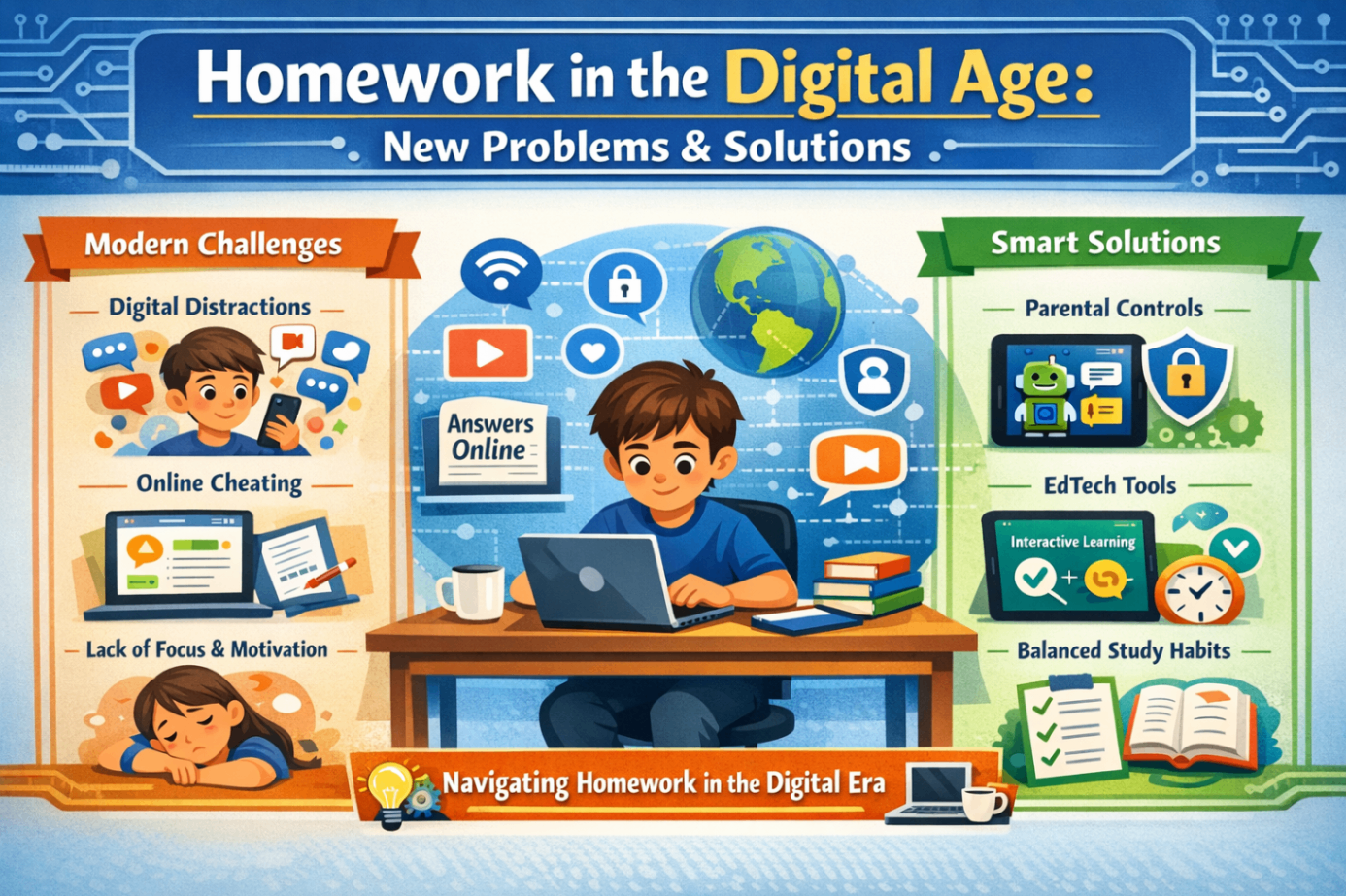
One of the most significant challenges students face is completing homework on the same devices that provide endless entertainment and social connection opportunities. The constant pull of notifications, social media, and games creates an environment where sustained focus becomes increasingly difficult.
Understanding the Attention Problem
Digital distractions live on the same device students use for homework, creating an unprecedented challenge for concentration and task completion. Studies show that the mere presence of a smartphone, even when turned off, reduces cognitive capacity and working memory. Your brain must actively resist checking notifications even when you do not consciously think about doing so, draining mental resources needed for learning.
The Notification Interruption Cycle
Every notification triggers a dopamine response that makes checking your phone feel rewarding, creating a cycle that interrupts homework repeatedly. Even brief interruptions require significant time to return to full concentration, with research suggesting recovery times of up to twenty-three minutes. This constant switching between homework and distractions fragments learning and reduces the depth of understanding you develop.
Social Media and Fear of Missing Out
Social media platforms are designed to maximize engagement, creating powerful urges to check what friends are doing or sharing. Fear of missing out drives students to interrupt homework for quick checks that often extend far longer than intended. This anxiety about missing social updates competes directly with homework priorities, making focus feel like a constant battle.
Solutions for Managing Distractions
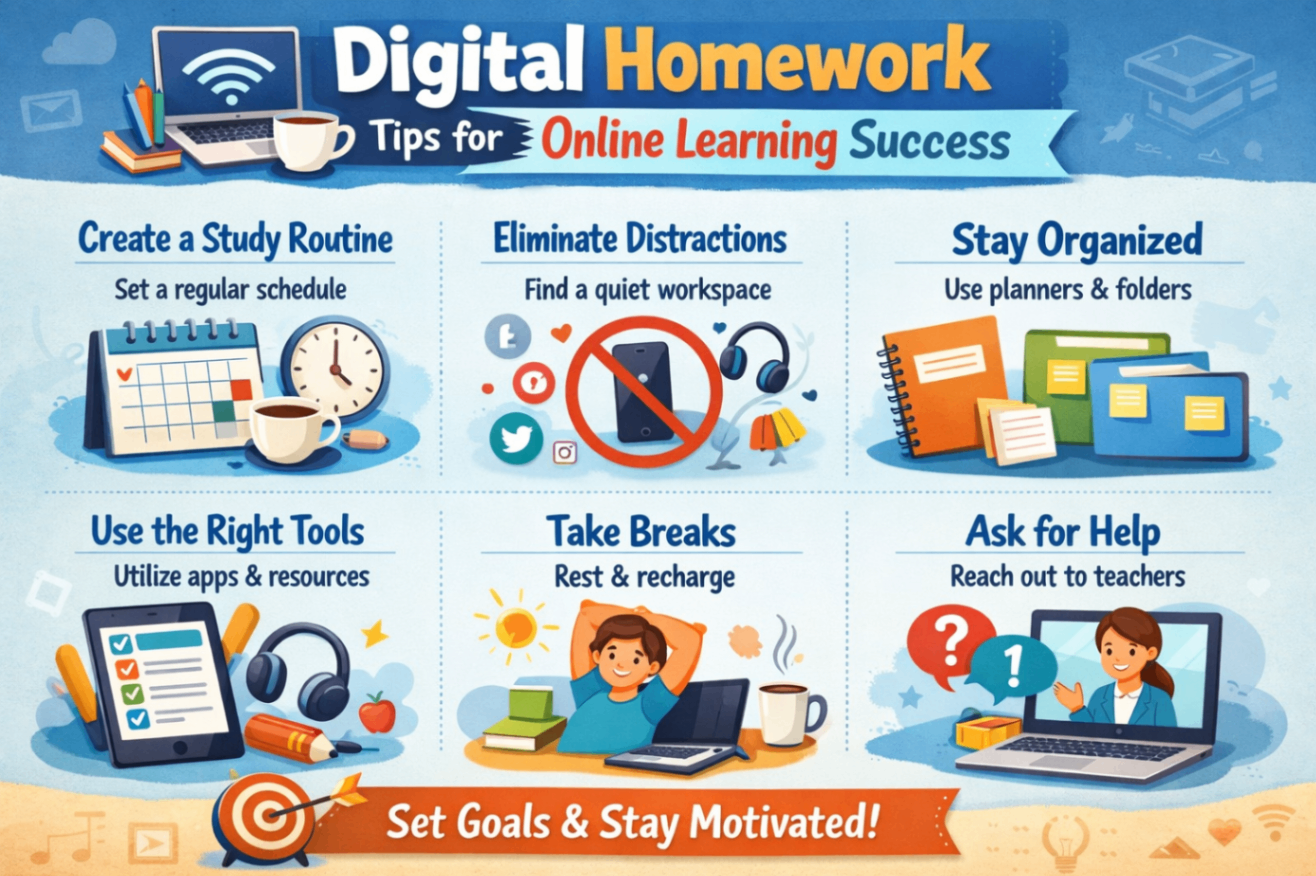
Effective solutions include putting phones in another room during study sessions and using website-blocking apps like Freedom or Forest. Setting timers for focused work intervals followed by planned breaks provides structure that helps maintain concentration. Acknowledging that resistance is difficult, rather than expecting it to feel easy, helps normalize the struggle and persist through it.
Technology Access and Equity Issues
Digital homework assumes all students have equal access to technology and internet connectivity, but significant disparities exist that create unfair disadvantages for some learners. These equity issues represent one of the most concerning aspects of the shift toward digital assignments.
The Digital Divide Reality
Not all students have reliable access to computers, tablets, or high-speed internet at home, creating barriers to completing digital assignments. Students from lower-income families may share devices with multiple family members or rely on smartphones with limited functionality. This disparity means some students spend extra time and effort simply accessing their assignments before even beginning the actual work.
Connectivity Challenges
Unreliable internet connections can make video-based learning, cloud-based assignments, and real-time collaboration impossible for some students. Rural areas often lack the infrastructure for high-speed internet, while urban families may struggle with affordability. Dropped connections during timed assignments or live sessions create stress and disadvantage students through no fault of their own.
Device Limitations
Students working on smartphones or older computers may not have access to all features required for digital assignments designed for newer technology. Software compatibility issues, limited screen size, and slower processing speeds all impact the homework experience. These limitations can make assignments take longer and feel more frustrating than necessary.
Addressing Equity Concerns
Schools can help by offering device lending programs, mobile hotspots, and on-campus study spaces with reliable connectivity for students without home access. Teachers can design assignments with offline options or provide extended deadlines for students facing technology barriers. Students should communicate proactively with teachers when access issues arise rather than struggling silently with preventable problems.
Digital Literacy and Technical Challenges
Successfully completing homework in digital environments requires technical skills that extend beyond understanding the academic content itself. Navigating multiple platforms, troubleshooting problems, and using digital tools effectively all demand competencies that some students lack.
Platform Overload
Students often juggle multiple digital platforms including learning management systems, video conferencing tools, collaborative documents, and specialized subject-specific software. Each platform has different interfaces, login credentials, and functionality, creating confusion and wasted time. Keeping track of where assignments are posted, how to submit work, and where to find resources becomes a challenge unto itself.
Technical Troubleshooting Burden
When technology fails, students must often solve problems independently without the immediate help available in traditional classroom settings. Frozen screens, failed uploads, corrupted files, and login issues all derail homework progress and cause stress. The pressure to troubleshoot technical problems while also meeting deadlines creates frustration that detracts from actual learning.
Developing Digital Competence
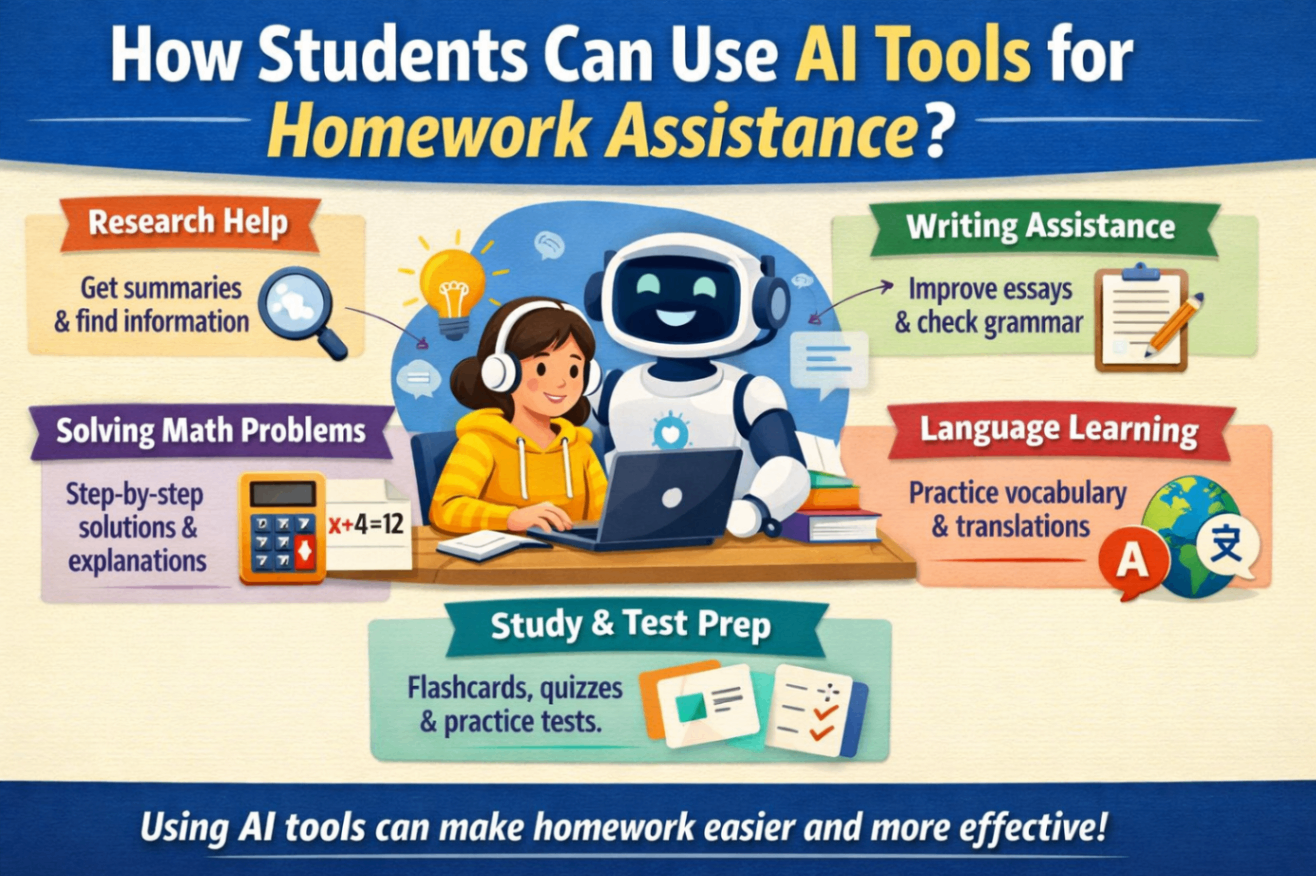
Building strong digital literacy requires practice and patience as students learn to navigate various tools and platforms efficiently. Understanding cloud storage, file formats, and basic troubleshooting skills saves significant time over a semester. Learning How Students Can Use AI Tools for Homework Assistance also helps build digital competence that extends across academic and future professional contexts.
Solutions for Technical Challenges
Create organized systems for managing different platforms, including saved passwords, bookmarked links, and notification settings optimized for each tool. Save work frequently and maintain backup copies in cloud storage to prevent loss from technical failures. When problems arise, document the issue with screenshots before reaching out to teachers or technical support for faster resolution.
Screen Time and Wellbeing Concerns
Extended hours completing digital homework on top of screen time during school creates legitimate concerns about physical health, mental wellbeing, and overall life balance. Managing these effects requires conscious attention to how technology use impacts your body and mind.
Physical Health Impacts
Prolonged screen time contributes to eye strain, headaches, poor posture, and disrupted sleep patterns that affect both health and academic performance. The blue light emitted by screens can interfere with natural sleep cycles, making quality rest harder to achieve. Physical discomfort from extended sitting and screen viewing can make homework sessions feel exhausting beyond their actual cognitive demands.
Mental Health Considerations
Constant connectivity can increase anxiety, as students feel pressure to respond immediately to messages or check grades obsessively. The comparison culture of social media, accessed on the same devices used for homework, can undermine confidence and motivation. Burnout from excessive screen time without adequate breaks reduces both productivity and enjoyment of learning.
The Boundary Problem
Digital homework blurs the boundaries between school and home life, making it difficult to feel truly finished or disconnected from academic demands. Notifications from school platforms can intrude on family time, relaxation, and sleep. This constant availability creates pressure that extends stress beyond traditional homework hours.
Protecting Your Wellbeing
Implement the twenty-twenty-twenty rule by looking at something twenty feet away for twenty seconds every twenty minutes to reduce eye strain. Schedule regular breaks involving movement, fresh air, and time away from screens during homework sessions. Set boundaries around when you will check school notifications and protect time for offline activities and rest.
Leveraging Digital Advantages
Despite its challenges, digital homework also offers significant advantages that students can leverage for enhanced learning and academic success. Understanding how to maximize these benefits helps balance the difficulties with genuine opportunities.
Instant Feedback and Personalization
Digital platforms can provide immediate feedback on assignments, allowing you to identify and correct mistakes while the material remains fresh. Adaptive learning systems adjust difficulty based on your performance, keeping you appropriately challenged without becoming overwhelmed. An AI Homework Helper can explain concepts multiple ways until understanding clicks, providing personalized support unavailable in traditional homework settings.
Collaboration Without Boundaries
Online tools enable collaboration with classmates regardless of physical location, making group projects more flexible and inclusive. Shared documents allow real-time editing and feedback, while video conferencing enables face-to-face discussion when meeting in person is impractical. These collaboration capabilities mirror modern workplace environments, building valuable skills for future careers.
Access to Unlimited Resources
Digital homework connects students to vast educational resources including videos, simulations, databases, and expert explanations available instantly. Complex concepts can be explored through multiple formats until one resonates with your learning style. This access democratizes learning by providing resources previously available only to students at well-funded schools or with private tutors.
Building Future-Ready Skills
Completing digital homework develops technology skills, self-direction, and time management abilities essential for success in higher education and careers. Learning to focus amid digital distractions builds discipline that transfers to professional environments where similar challenges exist. The problem-solving required to navigate technical challenges builds resilience and adaptability that serve you throughout life.
Conclusion
Homework in the digital age presents new problems and solutions that require students to develop skills beyond traditional academic competencies. From managing distractions and addressing equity issues to building digital literacy and protecting wellbeing, success demands intentional strategies tailored to technology-enhanced learning environments. The students who thrive will acknowledge these challenges honestly while leveraging the genuine advantages digital tools provide. By implementing practical solutions like device management, boundary setting, and proactive communication about access issues, you can overcome obstacles that derail many students. The skills you develop navigating digital homework—focus amid distraction, technical troubleshooting, and balancing connectivity with wellbeing—will serve you far beyond any individual assignment.
Frequently Asked Questions
How can I focus on homework when distractions are on the same device?
Use website-blocking apps to restrict access to distracting sites during study sessions, and put your phone in another room entirely. Set specific time intervals for focused work using timers, knowing that a scheduled break is coming. Create a dedicated study environment that signals to your brain that focused work is beginning, and acknowledge that resistance to distraction is genuinely difficult rather than expecting it to feel easy.
What should I do if I do not have reliable internet or technology access at home?
Communicate proactively with teachers about your access limitations so they understand your situation and can provide alternatives when possible. Ask about school resources like device lending programs, mobile hotspots, or extended access to computer labs for homework completion. Download materials and assignments when you have connectivity so you can work offline, then sync your work when you reconnect.
How much screen time is too much for digital homework?
There is no universal answer since necessary screen time varies by assignment load and learning needs. However, if you experience persistent eye strain, headaches, difficulty sleeping, or increased anxiety, these signals suggest adjustments are needed. Build in regular breaks with movement and time away from screens, and balance necessary digital homework with offline activities.
How can I keep track of assignments across multiple digital platforms?
Create a master system, either digital or paper, that consolidates deadlines and tasks from all platforms in one place you check daily. Set up notification preferences on each platform to alert you about important updates without overwhelming you with noise. Establish a routine for checking each platform at consistent times rather than constantly throughout the day.
What should I do when technology fails during important assignments?
Document the problem immediately with screenshots showing error messages, timestamps, and what you attempted before reaching out to teachers. Have backup plans ready, including saving work frequently, maintaining copies in cloud storage, and knowing alternative submission methods. Contact your teacher as soon as possible explaining the situation honestly, as most educators understand technology failures happen and will work with you.