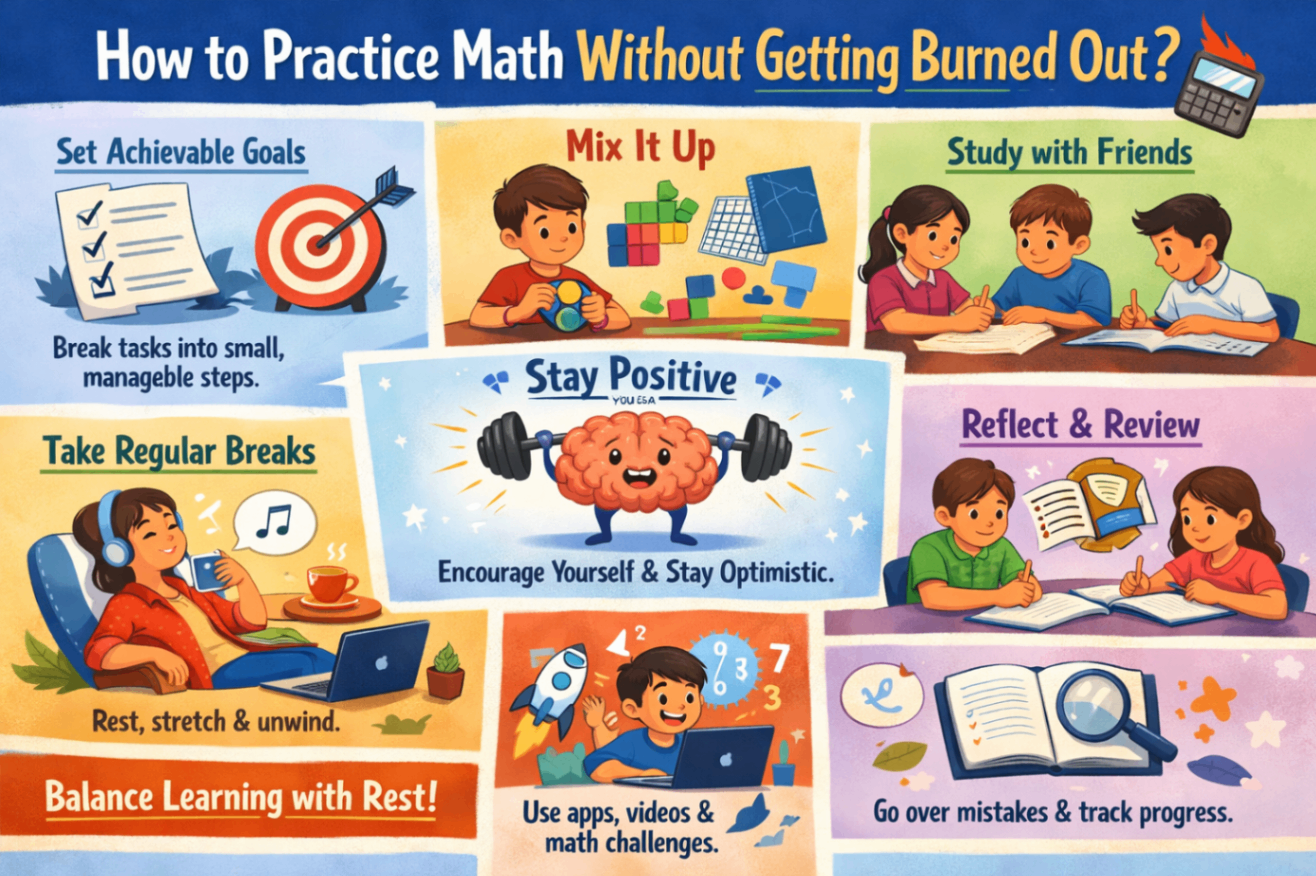
Many students push themselves relentlessly through math practice until exhaustion destroys their motivation and effectiveness. Learning how to practice math without getting burned out requires understanding that sustainable effort outperforms desperate cramming every time. Burnout does not simply make you tired; it drains your energy, focus, and enthusiasm for learning while making retention nearly impossible. Research shows that students who balance intensity with recovery retain more information and perform better on exams than those who study without breaks. The key is building habits that support consistent long-term progress rather than unsustainable short-term intensity. This guide presents practical strategies to maintain momentum while protecting your mental and physical wellbeing throughout your mathematical journey.
Recognize the Signs of Math Burnout
Catching burnout early allows you to intervene before it derails your progress completely. Many students ignore warning signs until exhaustion becomes overwhelming. Awareness of these signals is your first and most important line of defense against sustained burnout.
Identify Emotional Warning Signs
Watch for increasing frustration, anxiety, or dread when facing math problems that previously felt manageable. Loss of motivation despite knowing you need to study signals that your mental resources are depleted. Feeling cynical about math or questioning why you are even trying indicates emotional exhaustion has set in.
Notice Cognitive Symptoms
Difficulty concentrating during study sessions even when distractions are removed suggests mental fatigue. Forgetting material you recently learned indicates your brain lacks the resources to consolidate information properly. Making careless errors on problems you know how to solve shows your cognitive capacity is compromised.
Monitor Physical Indicators
Persistent tiredness despite adequate sleep often accompanies academic burnout. Headaches, tension, or restlessness during study sessions signal your body is stressed. Changes in appetite or sleep patterns related to math anxiety reveal that burnout is affecting your physical health.
Distinguish Burnout from Normal Tiredness
Occasional frustration or fatigue after intense study is normal and resolves with rest. Burnout persists even after breaks and creates lasting resistance to returning to work. If rest does not restore your motivation and focus, you are experiencing burnout rather than simple tiredness.
Structure Your Practice Sessions Wisely
How you organize your study time dramatically affects whether practice builds you up or wears you down. Random, unplanned study sessions often lead to inefficiency and exhaustion. Strategic structure prevents burnout while maximizing the value of every hour you invest.
Use Time-Blocked Study Intervals
Work in focused intervals of forty to fifty minutes followed by ten-minute breaks to maintain concentration. This rhythm prevents the mental fatigue that comes from extended uninterrupted effort. Your brain needs recovery periods to consolidate learning and restore attention capacity.
Alternate Between Difficulty Levels
Mix challenging problem-solving with lighter review activities throughout your study sessions. Heavy work like timed practice or new concepts should alternate with easier tasks like reviewing notes or making flashcards. This variation gives your brain active recovery while maintaining productivity.
Set Daily Practice Limits
Determine a sustainable daily practice duration and protect it as a hard boundary. Quality practice for three to four focused hours outperforms six exhausted hours of diminishing returns. Knowing when to stop prevents the accumulated fatigue that leads to burnout over days and weeks.
Plan Weekly Rest Days
Schedule at least one complete day off from math practice each week without guilt. Rest days allow your brain to consolidate learning and restore depleted mental resources. Students who take planned breaks perform better than those who study every day without recovery.
Maintain Physical Health for Mental Performance
Your body and brain are connected, and physical wellbeing directly affects your capacity for sustained mental work. Many students sacrifice sleep, meals, and exercise to gain more study time, but this strategy backfires quickly. Neglecting physical health accelerates burnout and reduces the effectiveness of every hour you study.
Prioritize Sleep Above Extra Study Time
Seven to eight hours of sleep consolidates learning and restores cognitive function far better than extra study hours. Sleep-deprived studying produces poor retention and increases errors while building toward burnout. Cutting sleep to gain study time is a false economy that backfires quickly.
Eat Regular Balanced Meals
Skipping meals or relying on caffeine and sugar creates energy crashes that impair concentration. Stable blood sugar from regular balanced eating supports sustained mental effort. Your brain consumes significant energy during math practice and needs proper fuel.
Include Physical Activity
Exercise reduces stress hormones and improves focus, mood, and sleep quality. Even brief walks between study sessions clear your mind and restore concentration. Physical activity is not a luxury that takes time from studying; it enhances your capacity to study effectively.
Stay Hydrated Throughout Practice
Dehydration impairs cognitive function more quickly than most students realize. Keep water accessible during study sessions and drink regularly. This simple habit supports sustained concentration and reduces fatigue.
Use Effective Study Strategies
Working smarter reduces the total effort required and prevents the exhaustion that comes from inefficient methods. Many students waste energy on approaches that produce minimal results, leading to frustration and burnout. Strategy matters as much as time invested, and choosing the right approach transforms your practice experience.
Focus on Understanding Over Repetition
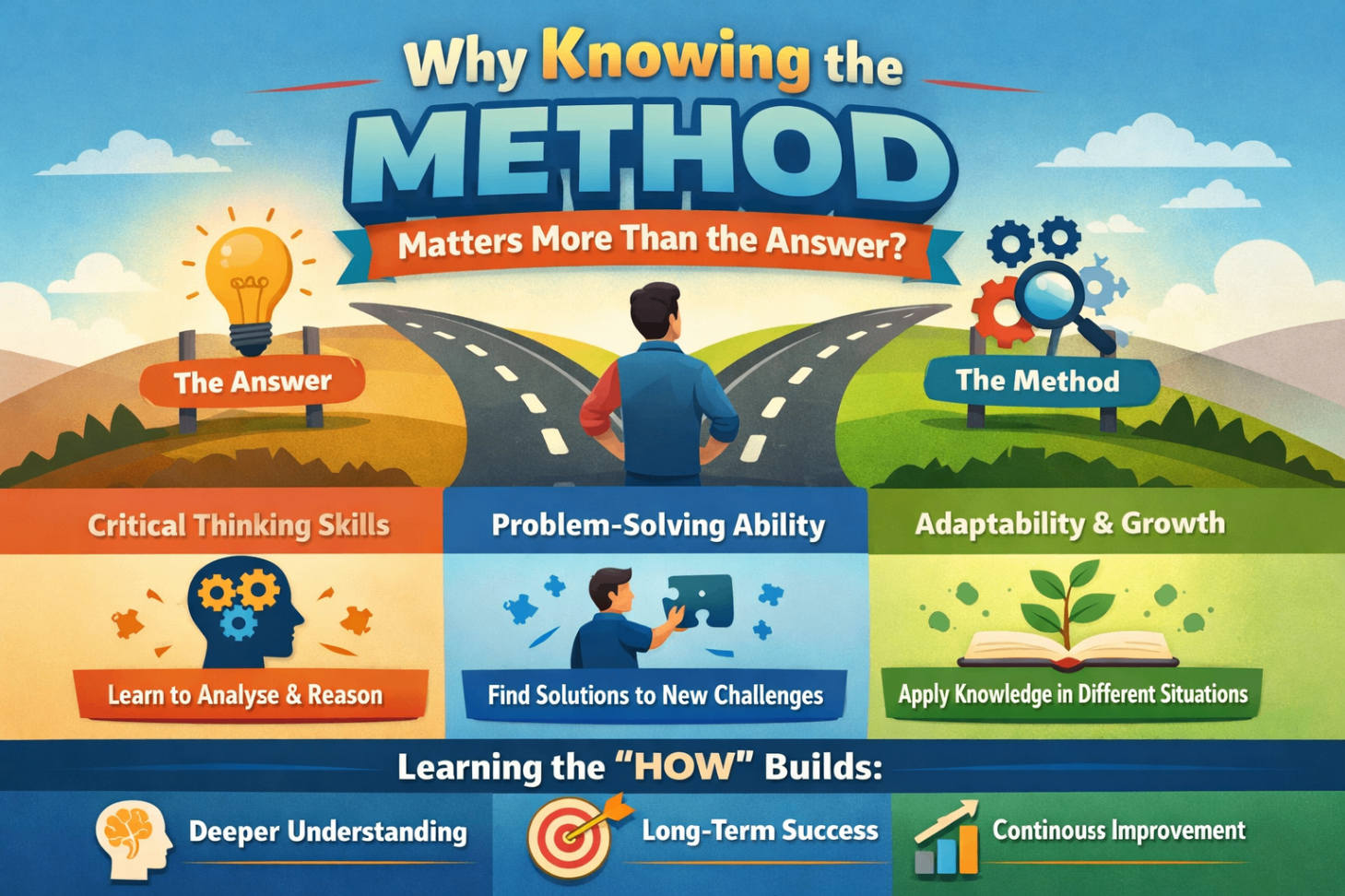
Grasping Why Knowing the Method Matters More Than the Answer reduces the volume of practice needed because understood concepts stick permanently. Endless repetition without comprehension is exhausting and ineffective. Understanding makes practice feel meaningful rather than tedious.
Practice Strategically, Not Desperately
Target your practice toward specific weaknesses rather than reviewing everything equally. Identifying exactly what you need to work on makes practice more efficient and less overwhelming. Strategic focus produces faster improvement with less total effort.
Use Quality Resources
Good explanations and well-designed problems make learning easier and less frustrating. An AI Math Solver can provide step-by-step guidance that prevents the frustration of being stuck without help. Quality support reduces the emotional drain of struggling alone.
Track Progress to Stay Motivated
Recording your improvements provides evidence that your effort is working and maintains motivation. Seeing progress prevents the discouragement that contributes to burnout. Celebrate milestones along the way rather than waiting for final results.
Manage Your Mental and Emotional State
Your mindset significantly affects how much practice depletes you versus energizes you. Negative thought patterns and harsh self-judgment add emotional exhaustion on top of cognitive fatigue. Mental management is essential for sustainability and determines whether practice feels rewarding or punishing.
Set Realistic Expectations
Unrealistic goals create constant feelings of failure that drain motivation and contribute to burnout. Expect gradual improvement through consistent effort rather than immediate transformation. Achievable expectations produce satisfaction that sustains continued effort.
Practice Self-Compassion
Harsh self-criticism when you struggle adds emotional exhaustion to cognitive fatigue. Treat yourself with the patience and encouragement you would offer a friend. Mistakes are normal parts of learning, not evidence of inadequacy.
Use Brief Mindfulness Techniques
Even two minutes of deep breathing between problems can reset stress and restore focus. Simple techniques like the four-seven-eight breathing method lower anxiety and improve concentration. These practices prevent stress from accumulating across study sessions.
Maintain Connections and Support
Isolation increases stress while connection provides emotional support and perspective. Study groups, tutors, or simply talking with friends about your challenges reduces the burden. You do not have to carry the weight of math learning entirely alone.
Conclusion
Learning how to practice math without getting burned out transforms your relationship with sustained mathematical study. The strategies presented here balance effort with recovery, intensity with rest, and challenge with support to create sustainable momentum. Students who implement these approaches find that consistent moderate practice produces better results than desperate exhausting sprints. Protecting your wellbeing is not separate from academic success but essential to achieving it. Start implementing these strategies gradually, beginning with the areas where you currently struggle most, and watch your endurance and results improve together.
Frequently Asked Questions
How many hours of math practice per day is too much?
Most students find three to four hours of focused practice sustainable, but this varies by individual capacity and session intensity. Watch for declining concentration, increasing errors, and growing frustration as signals you have reached your limit. Quality focused hours matter significantly more than total time spent, so shorter effective sessions beat longer exhausting ones.
What should I do if I am already burned out?
Take a complete break from math for at least a few days to allow genuine recovery before attempting to resume. When you return, start with shorter and lighter sessions, then gradually rebuild intensity as motivation returns. Trying to push through established burnout typically makes it worse and significantly extends the time needed for full recovery.
Can I prevent burnout while preparing for important exams?
Yes, but exam preparation requires even more deliberate attention to recovery and balance than regular study. Start preparation early enough that you can maintain sustainable daily limits without needing to panic and cram. Reduce intensity in the final days before exams because rest benefits performance more than additional studying when you are already well-prepared.
Is taking breaks really that important for math learning?
Breaks are essential, not optional, because your brain consolidates learning and restores attention capacity during rest periods. Continuous study without breaks produces diminishing returns and accelerates the path toward burnout. Research confirms that scheduled breaks actually increase total learning compared to uninterrupted marathon sessions of equal total duration.
How do I know if I need a break or should push through?
If brief rest restores your focus and motivation, you can reasonably continue studying after the break. If rest does not help and resistance to studying persists despite recovery time, you need longer recovery rather than more effort. Learning to distinguish normal tiredness from genuine depletion protects you from the accumulated damage of chronic burnout.