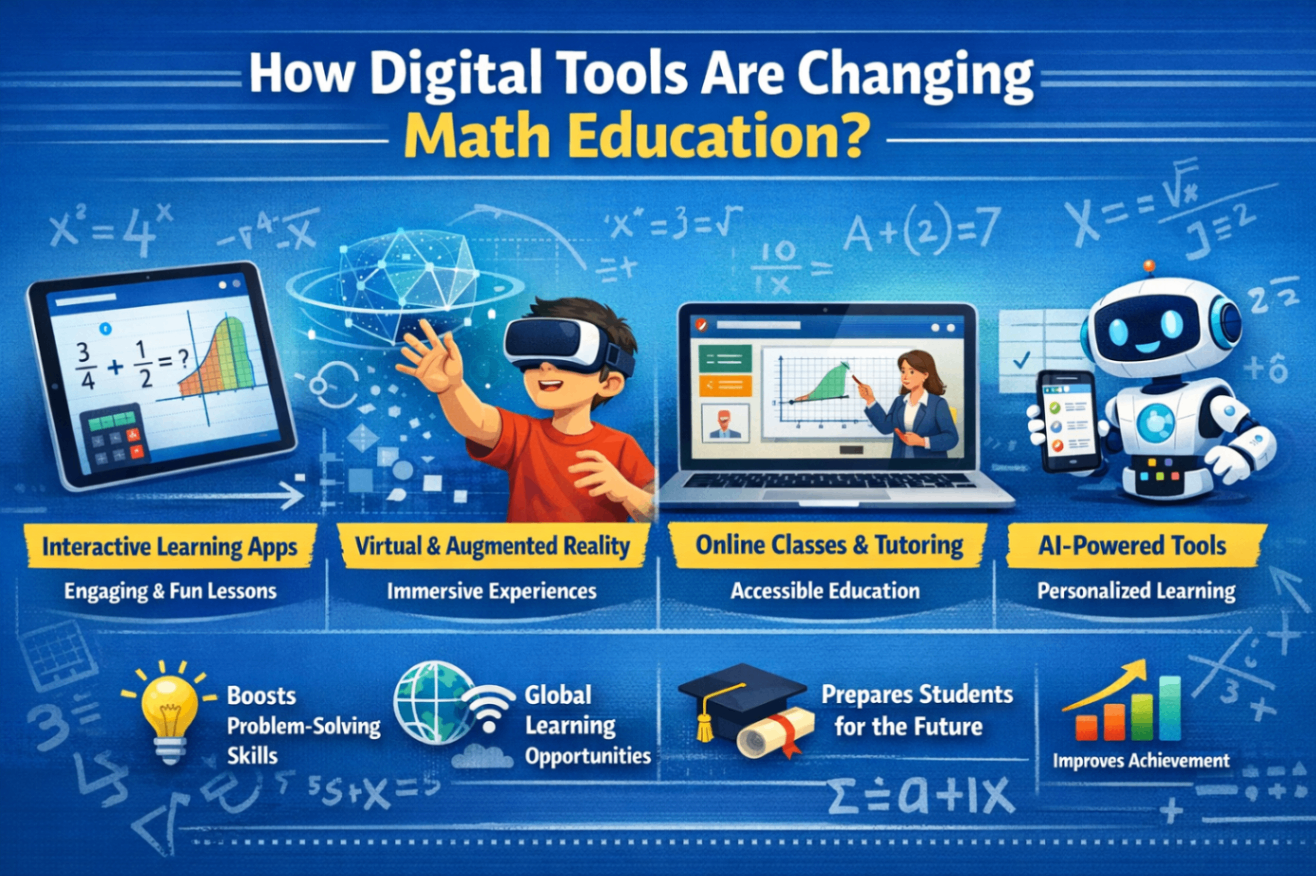
Technology is no longer a guest in the mathematics classroom but has become a core part of the educational experience. Understanding how digital tools are changing math education reveals a transformation that extends far beyond replacing pencils with tablets. These innovations offer immersive experiences that allow students to visualize abstract concepts, experiment with mathematical phenomena, and engage in hands-on problem-solving previously impossible with traditional methods. The tools have grown smarter, more intuitive, and better aligned with pedagogical goals. This guide explores the key technologies driving this transformation and how they create more engaging, personalized, and accessible learning experiences for students at every level.
Personalized Learning Through Adaptive Technology
One of the most significant shifts in math education comes from technology that adapts to individual student needs. Adaptive systems are revolutionizing how students progress through mathematical content.
AI-Powered Assessment and Feedback
Artificial intelligence analyzes individual performance to deliver tailored exercises and adjust difficulty levels automatically. These systems provide real-time hints when students struggle and increase challenge when they demonstrate mastery. Immediate feedback helps students identify and correct errors instantly, turning mistakes into learning opportunities rather than sources of frustration.
Customized Learning Pathways
Digital platforms create individualized progression routes based on each student's demonstrated strengths and weaknesses. Students no longer move through content at a uniform pace dictated by classroom averages. Instead, they advance when ready and receive additional support precisely where needed, ensuring gaps do not compound over time.
Differentiated Instruction at Scale
Teachers historically struggled to meet diverse needs within a single classroom simultaneously. Adaptive technology now enables true differentiation, serving appropriate content to students at vastly different levels during the same class period. This capability transforms what educators can accomplish with limited time and resources.
Data-Driven Insights for Teachers
These platforms generate actionable information about student understanding that teachers can use immediately. Educators see exactly where each student struggles and can intervene with targeted support. This shifts teaching from reactive to proactive, addressing problems before they become entrenched.
Interactive Visualization and Virtual Manipulatives
Abstract mathematical concepts become tangible through digital tools that let students see and manipulate mathematical objects. Visualization technology is fundamentally changing how students understand mathematics.
Dynamic Graphing and Modeling
Students can manipulate equations and instantly see how changes affect graphs and relationships. Sliders allow exploration of parameters in ways static textbook images never could. This dynamic interaction builds intuitive understanding of mathematical relationships that pure symbolic manipulation often fails to develop.
Virtual Manipulatives for Concrete Understanding
Digital versions of physical manipulatives offer greater flexibility and accessibility than their physical counterparts. Students can work with fraction bars, algebra tiles, and geometric shapes without classroom supply limitations. These tools help learners build conceptual foundations before transitioning to abstract symbolic representations.
Three-Dimensional Exploration
Geometry and spatial reasoning benefit enormously from tools that render three-dimensional objects students can rotate and examine from any angle. Concepts like cross-sections, surface area, and volume become intuitive when students interact directly with virtual solids. This capability addresses a major limitation of two-dimensional textbook representations.
Real-World Simulations
Technology enables simulations that connect mathematical concepts to authentic applications students care about. Virtual field trips can include calculating areas of historical structures or analyzing real data sets. These experiences demonstrate relevance and answer the perpetual student question of when they will ever use this material.
Collaboration and Communication Tools
Mathematics learning increasingly happens through interaction with peers and teachers facilitated by digital platforms. Technology is transforming math from a solitary activity into a collaborative endeavor.
Online Collaborative Workspaces
Platforms enable students to co-create solutions, share ideas, and solve problems together regardless of physical location. Working in teams, sharing approaches, and learning from peers provides real-world preparation for how mathematics is actually used professionally. Cloud-based tools make this collaboration seamless and accessible.
Digital Math Communities
Online spaces where learners can ask questions, share resources, and discuss problems extend learning beyond classroom hours. Peer mentors can help moderate discussions and guide struggling students. These communities provide support structures that benefit both those giving and receiving help.
Enhanced Teacher-Student Communication
Digital tools allow teachers to provide written feedback efficiently and track student progress continuously. Educators can leave comments on student work, monitor engagement in real-time, and intervene when students struggle. This ongoing dialogue replaces the limited feedback cycle of traditional homework and tests.
Sharing Mathematical Thinking
Technology makes it easier for students to explain their reasoning and see how others approach problems. Tools that capture and display student work enable productive classroom discussions about different solution strategies. Exposure to multiple approaches deepens understanding far beyond what working alone provides.
Accessibility and Inclusion Advances
Digital tools are making mathematics education more accessible to students who previously faced significant barriers. Technology increasingly supports learners with diverse needs and circumstances.
Support for Different Learning Styles
Digital tools accommodate visual, auditory, and kinesthetic learners through multiple representation options. Students can choose how they interact with content based on what works best for their individual learning preferences. This flexibility ensures more students can access mathematical understanding.
Assistive Technology Integration
Tools designed to support learners with disabilities are increasingly built into mainstream educational platforms. Features like text-to-speech, speech-to-text, and adjustable display options benefit students with visual impairments, dyslexia, and motor challenges. An AI Math Solver can provide step-by-step explanations in multiple formats, helping students who struggle with traditional instruction access the support they need.
Multilingual Support
Technology provides math resources and explanations in multiple languages, ensuring language barriers do not prevent understanding. Students can access content in their strongest language while building English mathematical vocabulary. This support is crucial for reaching increasingly diverse student populations.
Reducing Math Anxiety
Interactive and low-stakes practice environments help students build confidence without the pressure of public failure. Digital tools often feel less threatening than raising a hand in class or turning in work for a grade. This reduced anxiety allows students to take risks and learn from mistakes more freely.
Challenges and Thoughtful Implementation
Despite tremendous benefits, integrating technology into math education presents real challenges that require careful navigation. Awareness of potential pitfalls enables more successful implementation.
Avoiding Technology Dependency
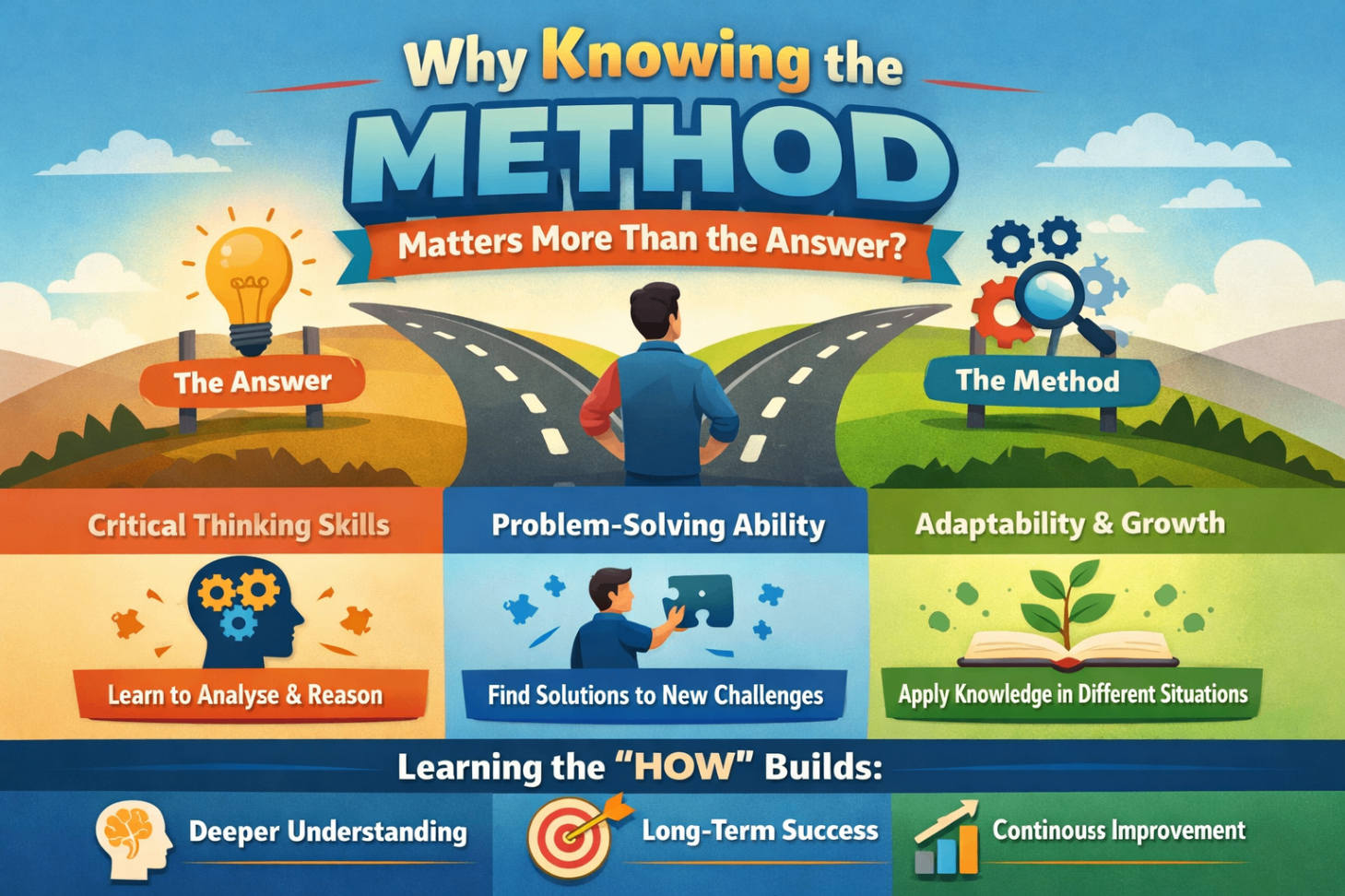
Overreliance on calculators and digital tools can hinder development of mathematical reasoning and mental computation skills. Technology should enhance rather than replace fundamental understanding. Students need to develop strategies for approaching problems, not just skills in operating software.
Addressing Access Inequity
Not every student has reliable internet or a personal device at home, creating potential gaps in learning opportunities. Schools must ensure technology integration does not widen existing achievement disparities. Thoughtful planning addresses how all students will access digital learning resources.
Balancing Screen Time
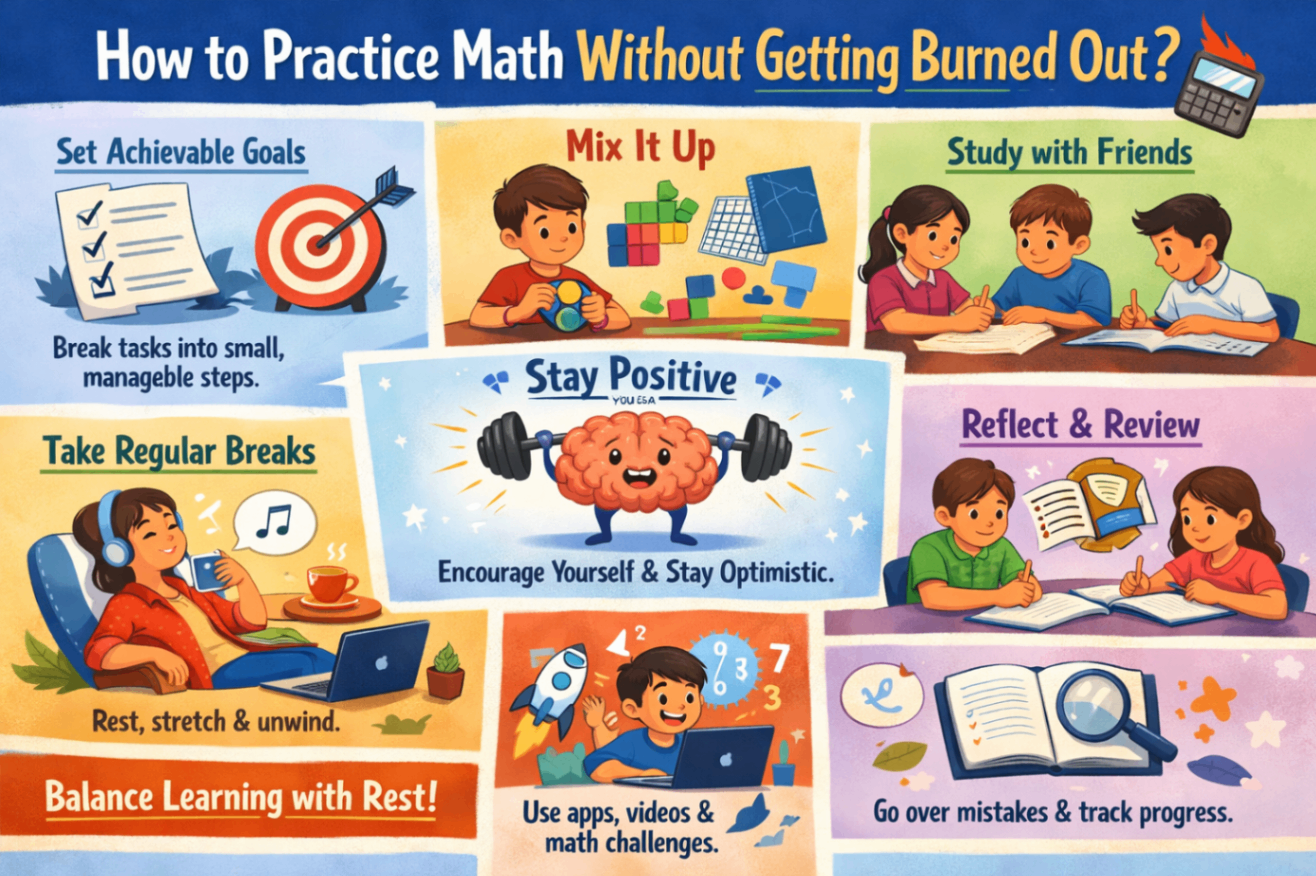
Students already spend considerable time with screens, and adding more through education raises legitimate concerns. Learning How to Practice Math Without Getting Burned Out becomes even more important when digital tools dominate instruction. Effective programs blend digital and traditional approaches strategically.
Investing in Teacher Training
Tools are only as effective as those using them, and many educators need support developing technology integration skills. Professional development must accompany technology adoption to ensure tools are used effectively. Teachers need confidence and expertise, not just access to software.
The Future of Digital Math Education
The pace of innovation continues accelerating, with emerging technologies promising even greater transformation. Understanding current trends helps educators prepare for what comes next.
Smarter Artificial Intelligence
Learning systems that adapt in real-time based on student engagement are becoming increasingly sophisticated. AI will offer a more nuanced understanding of student thinking and more targeted intervention. These advances will make personalized learning even more effective and responsive.
Immersive Virtual and Augmented Reality
Mathematics will increasingly move off the page and into students' physical space through AR and VR experiences. Abstract concepts become concrete when students can walk through geometric structures or manipulate algebraic objects in three dimensions. These immersive experiences will transform how students relate to mathematical ideas.
Game-Based Learning Evolution
Educational games are becoming more sophisticated, turning math practice into engaging story-driven experiences. Gamification increases motivation and time-on-task while providing extensive practice. The distinction between learning and playing continues to blur productively.
Global Classroom Connections
Seamless, multilingual collaboration across borders will expand learning communities beyond local boundaries. Students will work with peers worldwide on authentic mathematical problems. This global perspective prepares learners for an increasingly connected professional world.
Conclusion
The transformation in how digital tools are changing math education represents a fundamental shift in teaching and learning possibilities. Technology now offers personalized pathways, interactive visualization, collaborative environments, and accessibility features that traditional methods simply cannot match. The most effective implementations blend digital innovation with sound pedagogy, using technology to enhance rather than replace human connection and mathematical reasoning. Educators who thoughtfully integrate these tools prepare students not just for academic success but for a future where mathematical thinking and digital literacy are inseparable.
Frequently Asked Questions
Do digital tools actually improve math learning outcomes?
Research consistently shows that thoughtfully integrated technology improves both conceptual understanding and test performance. The key is active engagement with mathematical ideas rather than passive consumption of content. Tools that promote exploration and provide immediate feedback show the strongest positive effects.
Will technology replace math teachers?
Technology enhances what teachers can accomplish but cannot replace the human elements of education. Teachers provide motivation, build relationships, bridge prior and new knowledge, and make instructional decisions technology cannot. The most effective classrooms combine teacher expertise with technological capabilities.
How can schools afford these digital tools?
Many effective tools are free or low-cost, including platforms like Desmos, GeoGebra, and various adaptive practice programs. Grants specifically support technology integration in education, and strategic planning maximizes the impact of limited budgets. The investment often saves money through reduced need for consumable materials.
What about students without home internet access?
Successful programs plan for equity from the beginning, providing devices and connectivity solutions for students who need them. Offline capabilities in many applications allow continued learning without constant internet access. Schools must ensure technology adoption does not create new barriers for vulnerable students.
How do I know which digital tools are worth using?
Look for tools that promote active mathematical thinking rather than just answer-getting. Effective platforms provide meaningful feedback, adapt to student needs, and align with curriculum goals. Recommendations from organizations like the National Council of Teachers of Mathematics help identify quality resources.