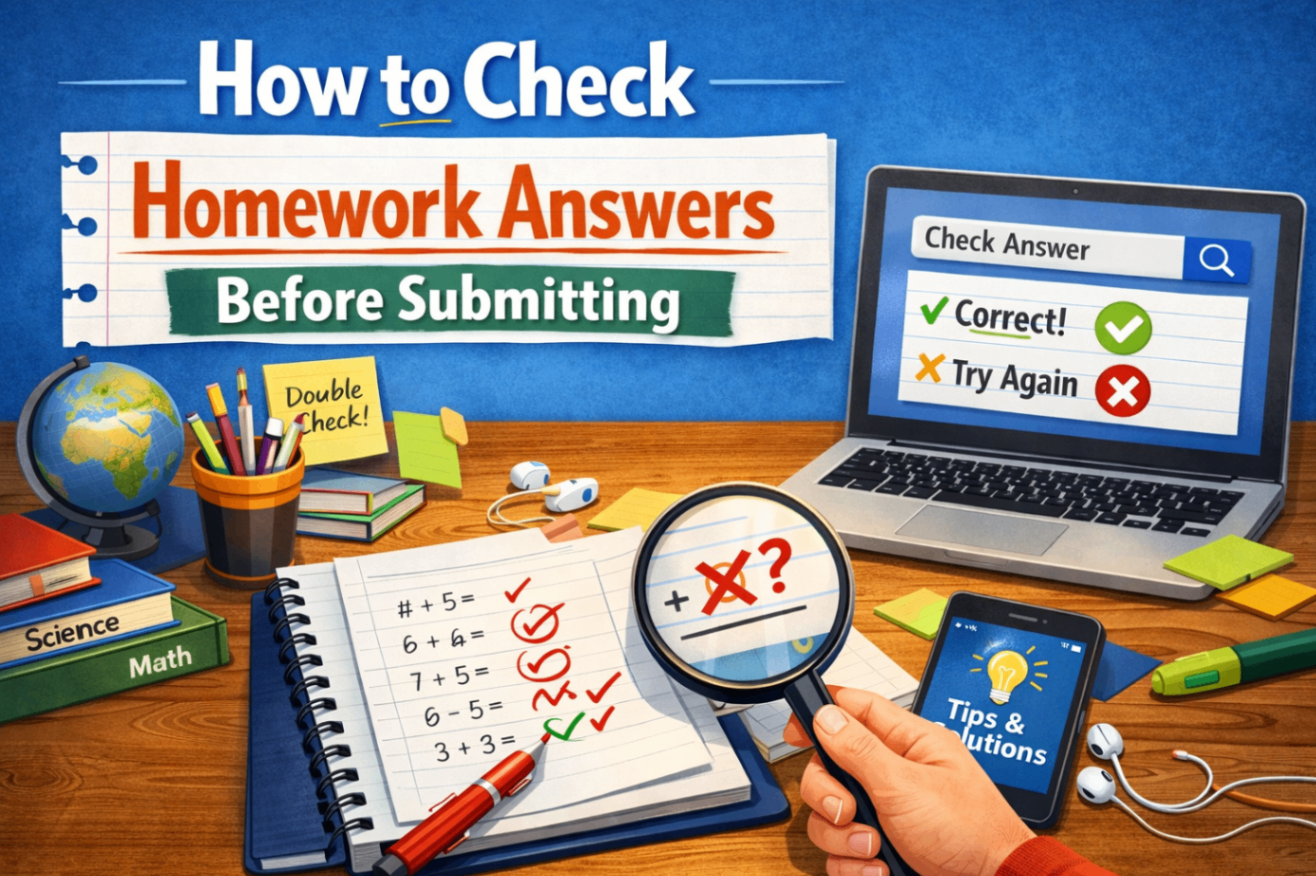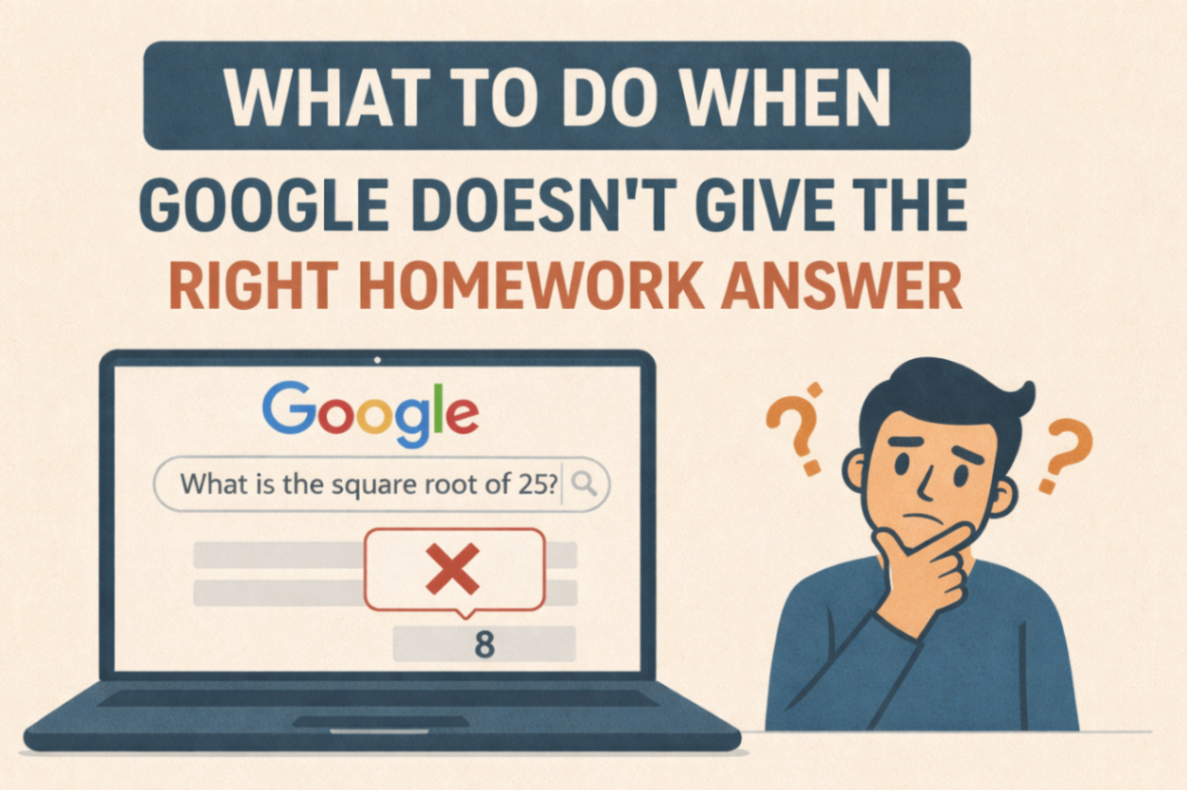
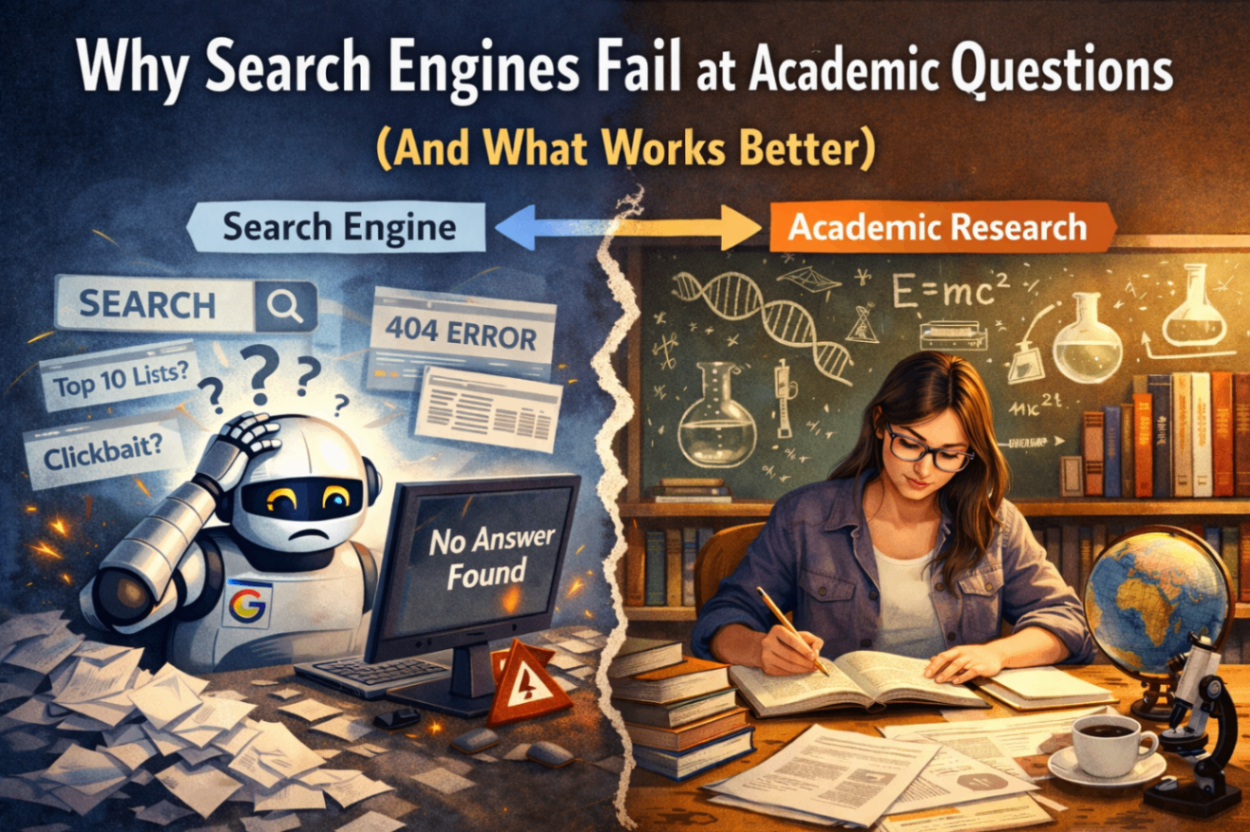
If you've ever entered a homework question into Google and found yourself even more confused than when you started, you're not alone. The reality is that millions of students every day are seeking help through search engines, but are instead presented with information that is irrelevant, contradictory, or even has the information you need hidden under a mountain of ads and useless links. The hard truth is that search engines are not designed for teaching, but understanding why they don't work for you can help you find resources that do.
The Core Limitations of Search Engines for Academic Help
Search engines are very effective when it comes to search operations, but when it comes to academic support, search engines are not effective in any way. Let's take a closer look.
They Index Content
The way that a search engine works is that it crawls billions of web pages on the internet and ranks them based on certain criteria like keyword presence or backlinks. While this is great for searching for news or product reviews, for academic questions that require understanding and reasoning, the results are not well aligned to what students need. A search engine does not understand what you are searching for like a teacher would. Instead, it looks for patterns based on the keyword you have entered and shows you the most commonly found results — not the most accurate or relevant results for learning. This is one of the most basic limitations of search engines that students do not think about when they want to Google their way out of a problem.
Information Overload Without Clarity
Another major issue with search engines for homework help is that there are just so many unorganized results. For example, if a student wants to search for a math formula or a history question, they will be overwhelmed by dozens of pages that include everything from online forums to PDFs to video links and advertisements, none of which are organized in a way that will help them learn the material step by step. They will be overwhelmed by noise rather than clarity.
Why Google Search Results Are Bad for Specific Academic Questions
However, while Google is great for general searches, it is actually designed to be unhelpful to students who need context for their answers.
No Step-by-Step Problem Solving
Academic disciplines like mathematics, physics, and chemistry require students to understand how to solve problems step by step. Google does not provide this kind of step-by-step solving. Even if the answer is found on Google, it is not presented in a way that helps students understand how to replicate the process themselves. One of the big reasons Google is unhelpful for academic work is that Google is designed to be helpful for clicks, not for learning.
Unreliable and Unverified Sources
The information that search engines retrieve is from all over the open web, including outdated articles, posts from anonymous sources, and opinion-based blogs. None of these sources are verified for academic accuracy. When a student is trying to learn something or study for a test, relying on false information could be the difference between passing or failing a class. The problems of Google for academic search are evident in this scenario, where there is no filter for educational accuracy and "popular" is not synonymous with "correct."
Problems with Search Engines for Homework Help Go Deeper Than You Think
But even beyond the issue of accuracy, the structural design of search engines presents barriers to students.
Zero Personalization for Your Level
Search engines have no idea whether you are in 6th grade or 12th grade. They have no idea what textbook you are using, what format your teacher wants you to follow, or even what chapter you are studying. Every student gets the same results, and those results are never particularly helpful to anyone who is trying to learn something specific.
They Answer "What," Not "Why"
A search engine may occasionally give the correct answer, but it never gives the reasoning for the correct answer. The reasoning for the correct answer is what develops academic skills, especially for tests. This is perhaps the biggest failure of search engines for homework problems: they do not develop understanding, only results.
What Actually Works Better for Academic Questions
The first half of the battle is knowing the problem. The second half is knowing where to turn for help.
AI-Powered Tools Built for Learning
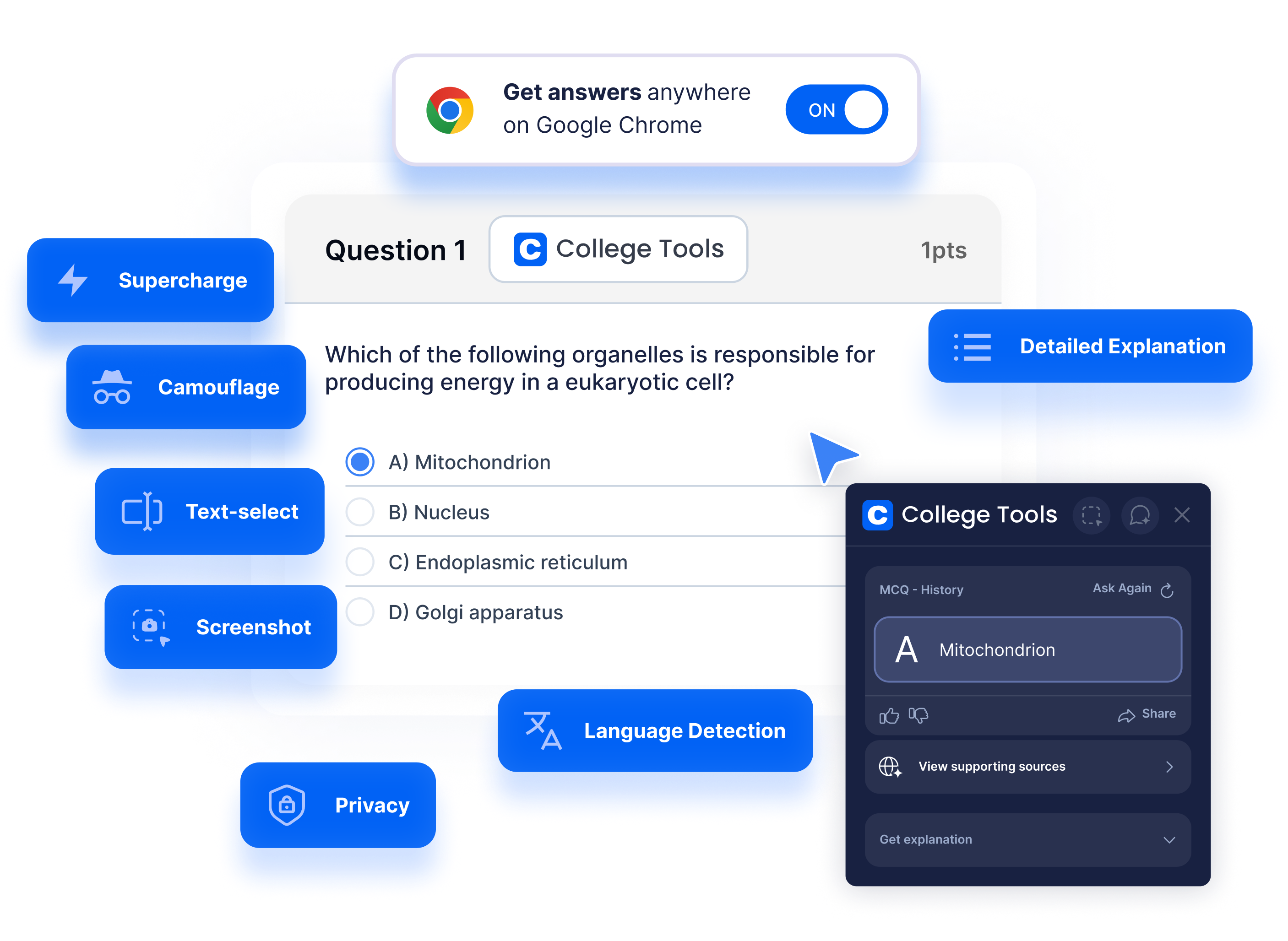
Unlike a search engine, today’s AI tools are designed to reason through academic problems, to analyze academic concepts, to explain academic problems step by step. An Answer Generator AI is not just an artificial intelligence that retrieves answers; it is an artificial intelligence that thinks through the problem with you.
Structured Problem Solving Strategies
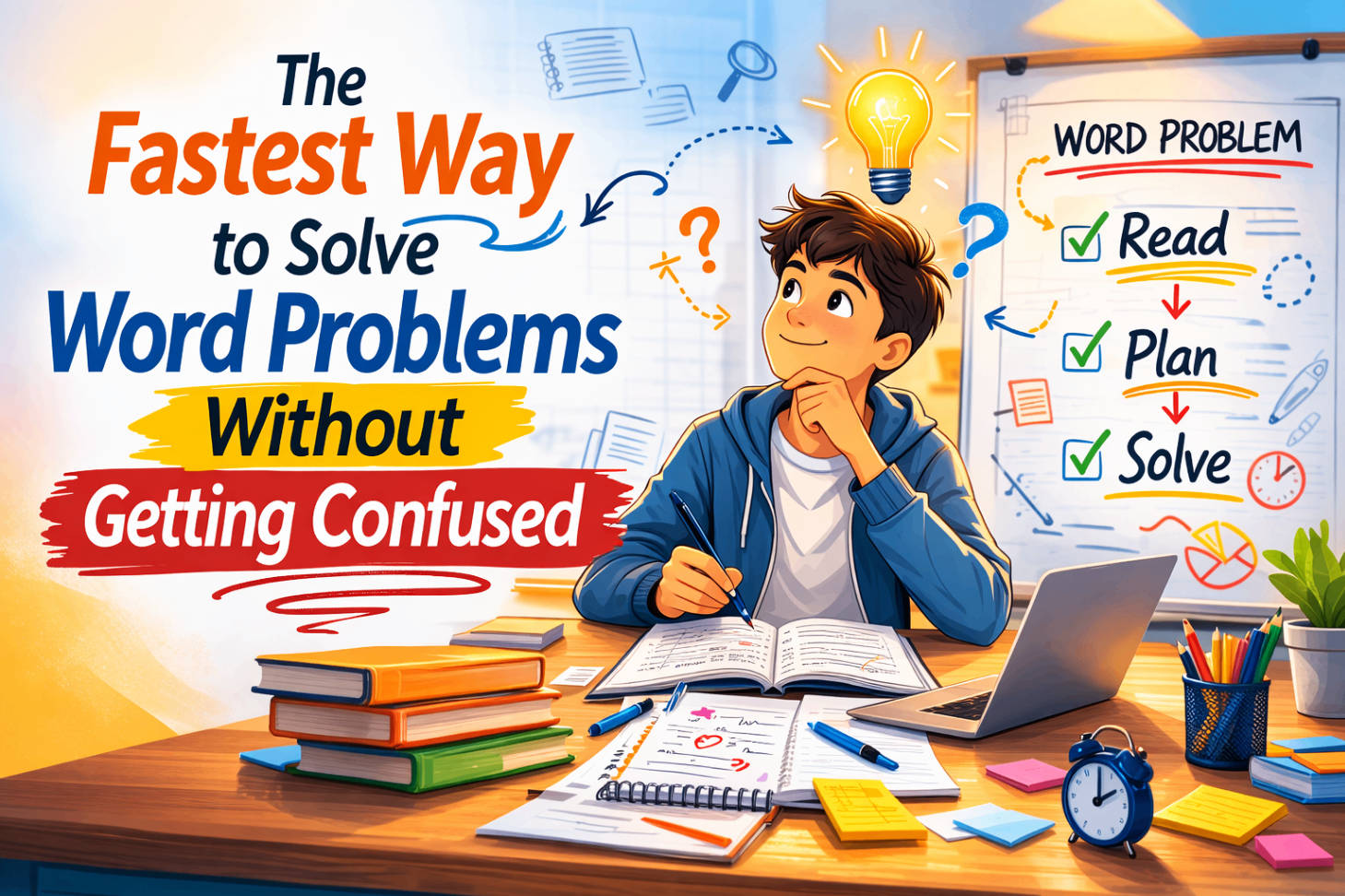
For children who are struggling with how to tackle a problem, structured resources are a game-changer. The Fastest Way to Solve Word Problems Without Getting Confused is a great example of focused, curriculum-aligned guidance that no search engine result can replicate.
Conclusion
Search engines are incredible technologies, yet they were designed for discovery, not education. The shortcomings of search engines are most clearly revealed when a student expects it to perform like a tutor. From information overwhelm and unverified sources, to a lack of step-by-step reasoning, the shortcomings of search engines for homework help are just too great to overlook. For students who are interested in truly learning, rather than simply finding an answer to write down, AI-powered academic resources are a smarter, more effective option.
Frequently Asked Questions
1.Why do search engines fail at academic questions?
Search engines are designed to present answers based on popularity and keyword usage, not on their educational merits. Search engines cannot solve problems, explain concepts, or present answers based on a student's grade level.
2.What are the biggest limitations of Google for homework help?
The biggest limitations of Google for homework help are information overload, lack of step-by-step explanations, unverified information, and lack of personalization based on grade levels or subjects.
3.Why are Google search results bad for math or science problems?
For math or science problems, Google search results are bad because these types of problems need logical explanations that are sequential in nature. Google search engine provides links to various web pages, but these web pages do not provide explanations that are sequential in nature. AI tools designed for academics are far better for explaining problems.
4.What is a better alternative to search engines for academic questions?
A better alternative for search engines is AI tools like an Answer Generator AI that is designed for academics and is far better for explaining problems to students, providing them a far more personalized and educationally sound solution than search engines.
5.Can AI tools replace search engines for studying?
For academic study, AI tools are far better than search engines because these AI tools not only provide information but also explain problems, making them a far better option for study than search engines.