
Sometimes, questions don’t have straightforward or simple answers. Whether you are dealing with a complicated math problem, a difficult concept in science, or an essay question that you are not able to grasp, tough questions are those that usually make you feel like you are stuck in a rut. The good news is that getting a detailed explanation of any difficult question is easier than you think. This is a guide that provides you with strategies and tools that you can use to help you grasp difficult concepts and finally understand the answer to a question and not just memorize it.
Why Detailed Explanations Matter More Than Quick Answers
There is a significant distinction between arriving at the correct answer and genuinely understanding it. While skimming for a speedy solution may land you at the correct answer, the next time the question is posed, you are back to square one. Detailed explanations, on the other hand, help to construct a framework for understanding. They help to connect the dots between the information and what is already known, and they provide the capacity for using that knowledge elsewhere. This is particularly significant in academic settings, where the ability to understand something is the distinction between passing a test and mastering the subject.
The Problem With Surface-Level Answers
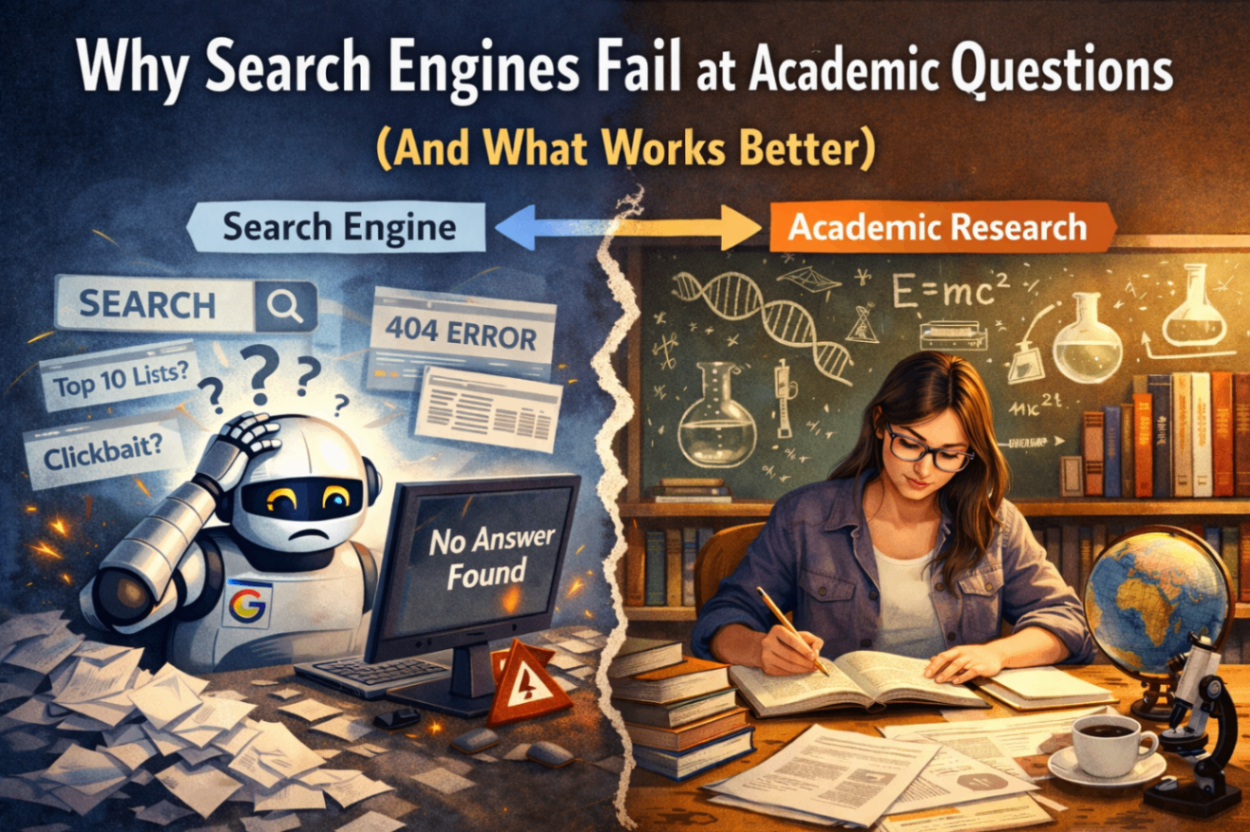
The problem with looking for answers online is that you tend to get either too simplistic of an answer or too much information, none of which really answers anything. Not very helpful for learning, is it? What you really need is to have the answer broken down for you, so you can understand the concept, then the context, then the reasoning behind it.
How to Get Detailed Explanations for Tough Questions
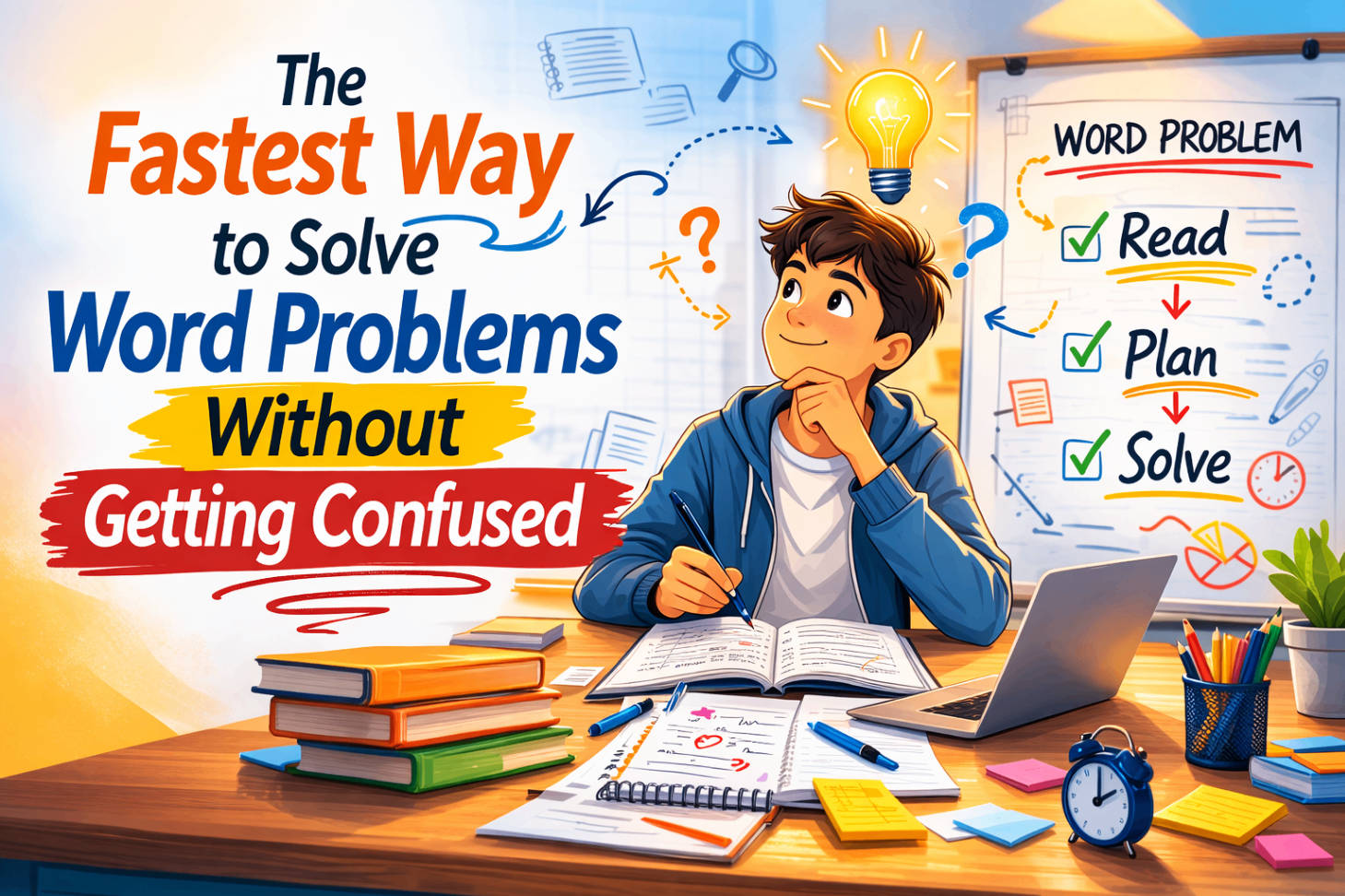
However, getting detailed and precise explanations does not necessarily have to be complicated. Here are the most efficient ways to get detailed and precise explanations:
1. Ask Better Questions
The way you ask a question is important in getting a precise answer to that question. Instead of asking "What is photosynthesis?", you should ask "Can you explain how photosynthesis works step by step and why plants require sunlight to perform photosynthesis?"
2. Use AI-Powered Tools Designed to Deliver Deep Explanations
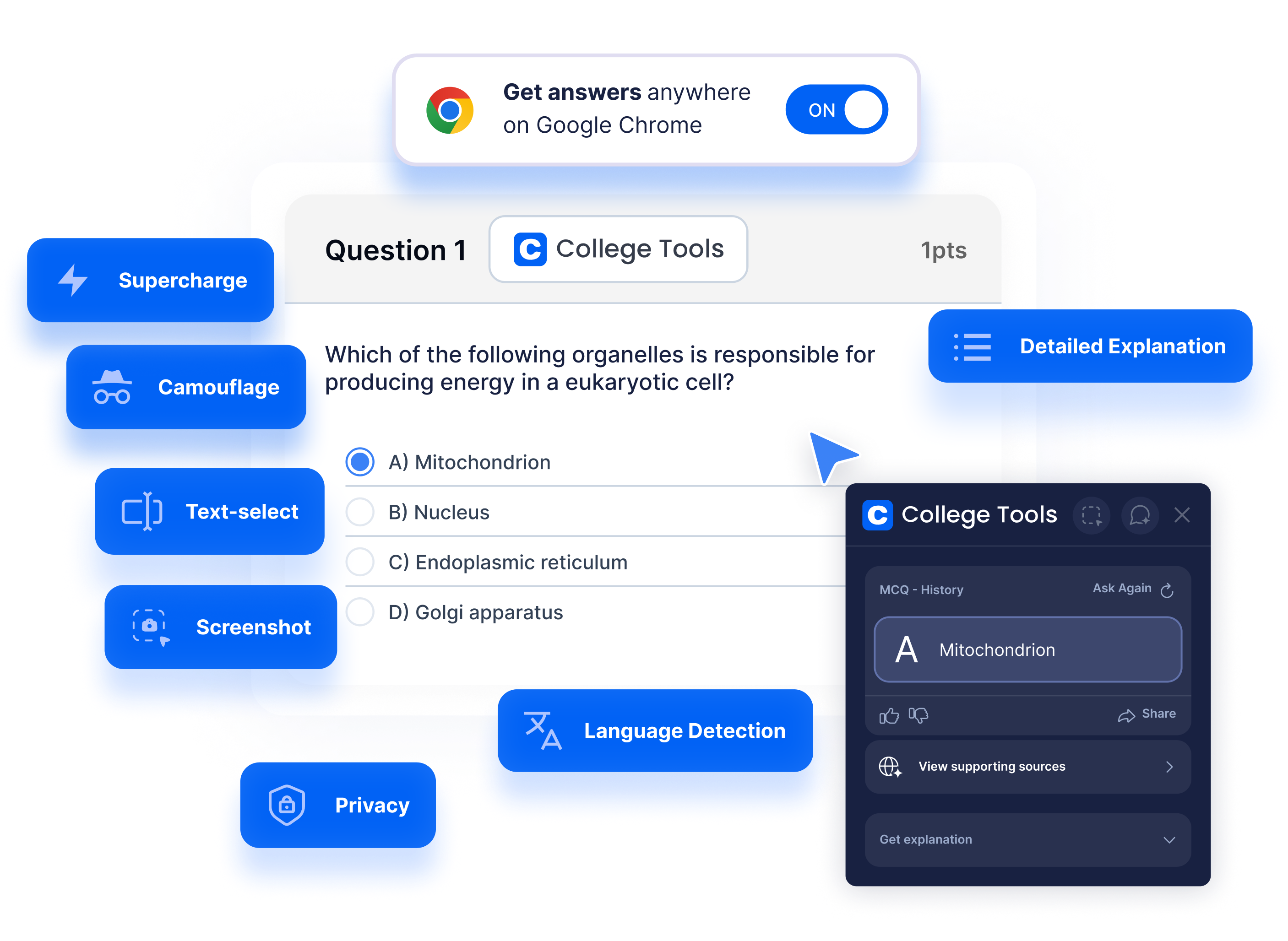
One of the most promising and growing solutions to help students and self-learning individuals is AI answer tools. These tools are specifically designed to provide in-depth and precise explanations to questions. With a Free AI Answer Generator, you can get detailed and precise explanations to any question you ask. Whether it is calculus, chemistry, history, or literature, you can get precise and detailed explanations to any question you ask.
3. Break the Question into Smaller Parts
Many questions are complicated because of multiple layers. When faced with a complicated question, try breaking it into smaller questions. For instance, if you do not understand how the stock exchange works, try asking: What is a stock? What is an exchange? How do people buy and sell? Once you understand each of these questions individually, it is much easier to understand how it all works together.
4. Cross-Reference Multiple Sources
There is no one definitive answer to everything. Once you get a basic idea of something, try cross-referencing it with another and another source. Look for patterns in how something is explained. When multiple sources explain something in basically the same way, it is easier to understand it.
When You’re Under Time Pressure
There are times when you do not have the luxury of an in-depth research session. Deadlines are deadlines, and tough questions do not care about your deadline. When you are under time pressure, you need to have a strategy that works. If you've ever thought Homework Due Tonight? Here's a Smarter Way to Get Unstuck Fast — you're not alone. The right tools can help you move efficiently without sacrificing understanding. Start with a focused AI explanation, then quickly review the reasoning behind the answer. Even a five-minute breakdown is more valuable than copying something you don't understand.
Building a Long-Term Strategy for Understanding Hard Concepts
Being able to get detailed explanations is a skill that can be developed over time. There are a few things that make it easier: Try to explain it to yourself in your own words after reading it Ask questions when it doesn’t quite click Take a break from it and revisit it later – sometimes clarity comes with rest Using visuals when available – sometimes it makes it click when it’s represented on a chart or diagram
Conclusion
Being able to access detailed explanations for difficult questions is one of the most valuable skills you can build in academics and in your future careers. Whether it’s through AI, better questions, or better breaking down of questions into smaller parts, it’s all about gaining actual knowledge instead of finding a quick answer. So start applying these techniques today and start making difficult questions a little less impossible.
Frequently Asked Questions
1.What is the most effective way to receive a detailed explanation for my question if it is difficult?
The most effective way is to ask detailed questions and use AI tools that offer step-by-step answers. Asking questions and using AI tools together is the most effective way to understand any topic.
2.Can AI tools really help me understand complex topics in detail?
Yes. New AI answer tools have been created with the aim of answering questions in a way that is dependent on the topic and complexity of the question. These tools can break down difficult topics into easier ones and offer different ways of explaining something to help it stick better.
3.How do I know if the answer I received is actually correct?
It is always best to cross-check with at least one more resource, such as a textbook or another teacher
4.What should I do if I still don't understand after reading an explanation?
If you still don't understand after reading an explanation, you could try rephrasing the question, asking for a simpler version, or asking for an example from real life. Breaking up a question into sub-questions is a great way to clarify exactly where you are misunderstanding.
5.Is using an AI answer generator considered cheating?
The use of AI as a learning tool to gain an understanding of concepts and answers is not cheating. The main thing is to use it for learning purposes, not to copy answers without really learning from them.